We value your privacy. We use Cookies to improve your website experience. We also use third-party cookies for marketing purposes.
Cookies are used for ads personalisation. For more info, visit our Privacy Policy.

-
 Kids Cycle Helmet Dunt in Rainbow Stripe$12.99 Was $31.99
 -
 Adult Cycle Helmet Zprokit$14.99 Was $83.995 colours
 -
 Adult Cycle Helmet Zprokit$17.99 Was $83.995 colours
 -
 Adult Safety Helmet Crankster$40.99 Was $69.995 colours
 -
 Adult Safety Helmet in Red Crankster$40.99 Was $69.995 colours
 -
 Adults Lightweight Bike Helmet in Black Zprokit$17.99 Was $83.995 colours
 -
 Adult Bike Helmet in White Crankster$44.99 Was $69.995 colours
 -
 Adult Bike Helmet in Red Crankster$44.99 Was $69.995 colours
 -
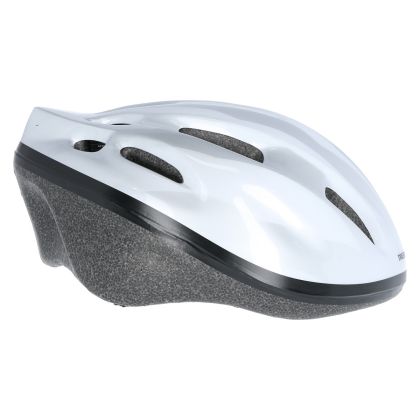 Kids Bike Helmet in White Cranky$33.99 Was $47.993 colours
 -
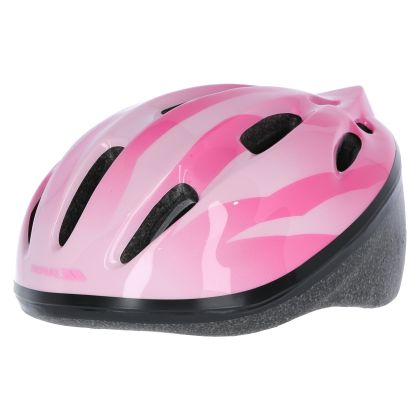 Kids Bike Helmet in Pink Cranky$34.99 Was $47.993 colours
 -
 Adults Bike Helmet in Zprokit$17.99 Was $83.995 colours
 -
 Adults Bike Helmet Zprokit$17.99 Was $83.995 colours
 -
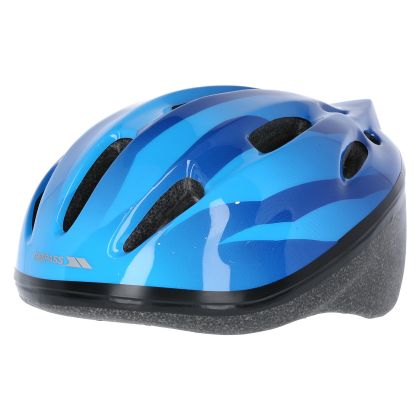 Kids Bike Helmet in Blue Cranky$34.99 Was $47.993 colours
 -
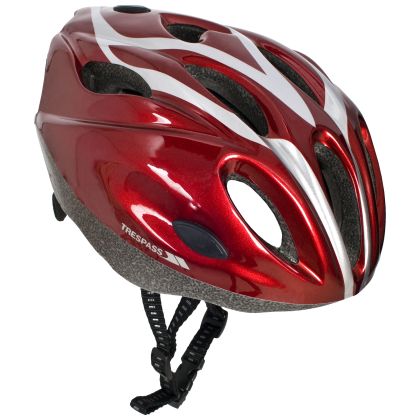 Kids Bike Helmet Tanky Red in Red$34.99 Was $51.99


Guide to Buying Mountain Bike Helmets
The right mountain bike helmets do much more than meet safety standards. They are designed to provide increased coverage, improved ventilation, and a secure fit for demanding off road riding. Whether you're exploring forest trails, tackling technical descents, or enjoying cross country routes, a quality helmet helps you ride with greater confidence. From lightweight trail models to full face designs for more challenging terrain, understanding the different styles and features will help you choose protection that matches your riding style and the type of trails you enjoy.
Different disciplines of mountain biking place different demands on your equipment, so selecting the right helmet can improve both comfort and protection.
- Trail helmets: A versatile option for everyday trail riding, combining lightweight construction with extended coverage around the back of the head.
- Cross country helmets: Designed to prioritise low weight and excellent ventilation for long climbs and endurance rides.
- Enduro helmets: Built with deeper coverage and additional protection for technical descents while remaining comfortable for uphill sections.
- Full face helmets: Provide comprehensive protection around the jaw and face, making them suitable for downhill riding, bike parks, and more demanding terrain.
- Convertible helmets: Hybrid designs that allow riders to switch between open face and full face configurations depending on the ride.
Choosing a helmet that suits your riding style helps maximise comfort and confidence on every ride.
Materials and How They Work
Modern helmet construction combines several materials to provide impact protection while keeping overall weight low.
- Expanded polystyrene (EPS) foam: Absorbs impact energy by compressing during a crash, helping reduce the force transferred to the head.
- Polycarbonate: A durable outer shell material that helps distribute impacts while protecting the inner foam.
- MIPS liner: A low friction layer designed to help reduce rotational forces during certain angled impacts.
- Nylon webbing: Strong, lightweight straps provide a secure fit while remaining comfortable during long rides.
- Foam padding: Soft internal padding improves comfort, manages moisture, and helps create a stable fit throughout the ride.
Understanding how these materials work together makes it easier to compare different mountain bike helmets.
Practical design details improve both safety and comfort while riding.
- Adjustable retention systems allow the helmet to fit securely around different head shapes.
- MIPS technology provides additional protection against certain rotational impacts.
- Large ventilation ports encourage airflow during demanding rides.
- Adjustable visors improve visibility in changing trail conditions.
- Deep rear coverage provides added protection on rough terrain.
- Moisture wicking padding improves comfort during long rides.
- Eyewear and goggle compatibility makes it easier to switch between riding conditions.
- Lightweight construction helps reduce neck fatigue over extended distances.
- Durable outer shells improve long-term performance during regular use.
- Certified safety standards provide reassurance that the helmet has been independently tested.
Looking for these features helps ensure your helmet delivers dependable protection and lasting comfort.
Different types of riding benefit from different helmet designs, so matching your equipment to your preferred terrain is an important part of staying comfortable and protected.
- Trail riding: Lightweight trail helmets offer an excellent balance between ventilation and coverage.
- Cross country riding: Low weight and efficient airflow make cross country helmets ideal for long distance rides.
- Enduro riding: Helmets with increased coverage provide extra confidence on technical descents while remaining suitable for climbing.
- Downhill riding: Full face helmets offer maximum protection for steeper terrain and higher speed riding.
- Leisure rides: Comfortable all-round mountain bike helmets provide dependable protection for woodland tracks, forest paths, and recreational cycling.
Selecting a helmet designed for the type of riding you enjoy will help improve both comfort and performance on every adventure.
-
What's the difference between a mountain bike helmet and a road cycling helmet?
- Mountain bike helmets are designed with deeper coverage around the back and sides of the head to provide greater protection on uneven trails and technical terrain. They also typically include an adjustable visor to shield your eyes from branches, mud, and sunlight. Road cycling helmets generally focus on reducing weight and improving aerodynamic performance for riding on paved roads.
-
Do mountain bike helmets provide extra protection for trail riding?
- Yes, mountain bike helmets are specifically developed for trail riding and off road use. They often feature deeper coverage, robust outer shells, and advanced safety technologies such as MIPS to help manage certain impact forces. Combined with improved visor designs and secure retention systems, these features provide added confidence and protection when riding over rocks, roots, and other challenging trail obstacles.
