We value your privacy. We use Cookies to improve your website experience. We also use third-party cookies for marketing purposes.
Cookies are used for ads personalisation. For more info, visit our Privacy Policy.

-
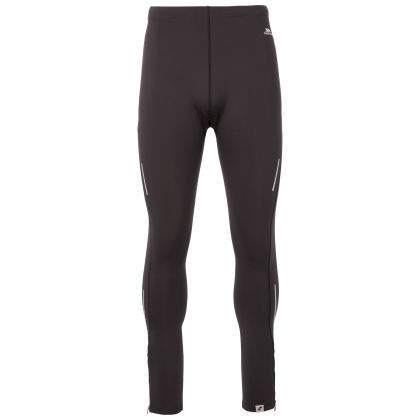 Mens Active Leggings in Black Jaxon$8.99 Was $87.99

Guide to Buying Mens Running Leggings
Every runner has different goals, whether it's building endurance, improving speed, or staying active through winter. The right mens running leggings or mens running tights help you train comfortably by providing support, flexibility, and effective moisture management. Unlike standard gym trousers, they are engineered specifically for running, allowing unrestricted movement while helping regulate temperature in changing conditions. From quick lunchtime runs to demanding trail sessions, choosing the right pair makes it easier to stay focused on your performance from start to finish.
Different styles are suited to different conditions and training sessions.
- Full length men's running tights: Provide complete coverage and are ideal for colder weather.
- Compression running leggings: Offer a close fit with targeted muscle support for longer efforts.
- Lightweight running tights: Best suited to faster sessions and milder temperatures.
- Trail running leggings: Built with durable fabrics to withstand rough terrain and frequent use.
- Thermal running tights: Feature brushed interiors that help retain warmth during winter training.
Selecting the right style ensures better comfort throughout the year.
Materials and How They Work
The materials in mens running leggings are designed to support movement while keeping you comfortable.
- Recycled polyester fabric: Offers durability while helping move moisture away from the skin.
- Elastane blend: Provides stretch for a secure, form fitting feel without limiting mobility.
- Brushed thermal lining: Adds insulation for colder conditions while remaining soft against the skin.
- Mesh ventilation panels: Improve airflow to help manage body temperature during harder efforts.
- Flatlock stitched construction: Minimises friction to reduce irritation on longer runs.
These technical fabrics create mens running tights that perform across a variety of training conditions.
The best mens running tights combine performance focused details with everyday practicality.
- Moisture wicking fabrics help you stay dry during intense training.
- A drawstring waistband keeps the fit secure without constant adjustment.
- Flatlock seams reduce rubbing during longer distances.
- Side pockets or a zippered back pocket provide safe storage for essentials.
- Reflective details improve visibility on early morning or evening runs.
- Stretch fabrics allow natural movement across every stride.
- Compression options provide gentle muscle support.
- Ankle zips make changing footwear easier before and after running.
These features help ensure mens running leggings remain comfortable in a wide variety of running conditions.
Your preferred type of running should influence your choice of tights.
- Road running: Lightweight mens running tights provide comfort without adding unnecessary weight.
- Trail running: Durable fabrics with practical pockets are better suited to uneven terrain.
- Long distance training: Compression styles offer additional support over extended mileage.
- Cold weather running: Thermal leggings help maintain warmth while remaining flexible.
- Interval sessions: Stretch fabrics and a streamlined fit support unrestricted movement during high intensity efforts.
Choosing tights that match your training routine will help you get the most from every run.
-
What features are most important in running leggings?
- When choosing mens running leggings, look for moisture wicking fabrics, a secure waistband, flatlock seams, and stretch materials that move comfortably with your body. Practical features such as reflective details, side pockets, or a zippered back pocket make it easier to carry essentials while improving convenience and visibility during outdoor runs.
-
How do I choose the best running leggings for my running style?
- Start by thinking about when and where you usually run. Lightweight mens running tights are ideal for faster sessions and milder conditions, while thermal options work better for winter training. Trail runners may benefit from more durable fabrics and additional storage, whereas long distance runners often prefer compression styles that provide extra support without restricting movement.
