We value your privacy. We use Cookies to improve your website experience. We also use third-party cookies for marketing purposes.
Cookies are used for ads personalisation. For more info, visit our Privacy Policy.

-
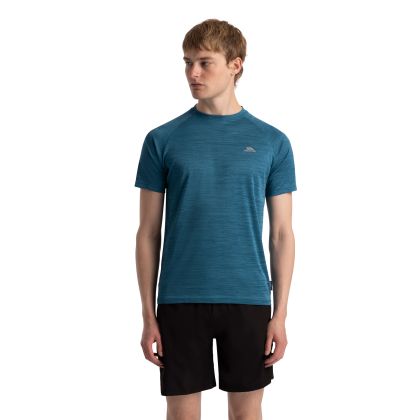 Mens Active Top Leecana In Bondi Blue Marl$11.99 Was $28.999 colours
 -
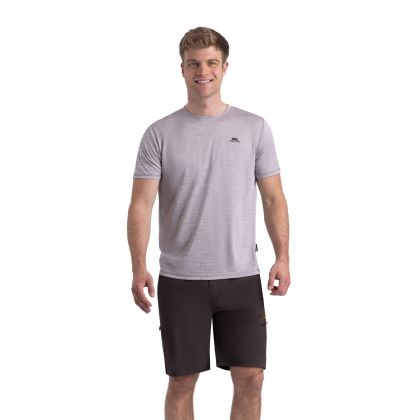 Mens Active Top Kearsley In Platinum Marl$12.99 Was $28.995 colours
 -
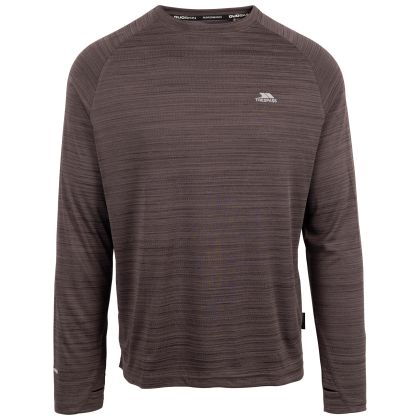 Mens Active Top Adamo in Black Marl$14.99 Was $33.992 colours
 -
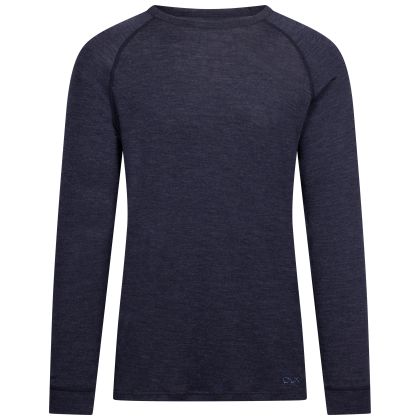
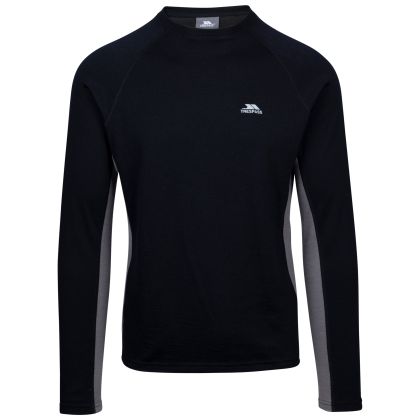 Unisex Base Layer Top Ghazi in Black$37.99 Was $94.99
 -
-
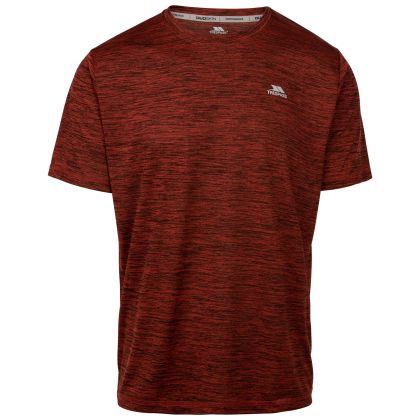 Mens Active T-Shirt Kearsley in Burnt Orange Marl$12.99 Was $28.995 colours
 -
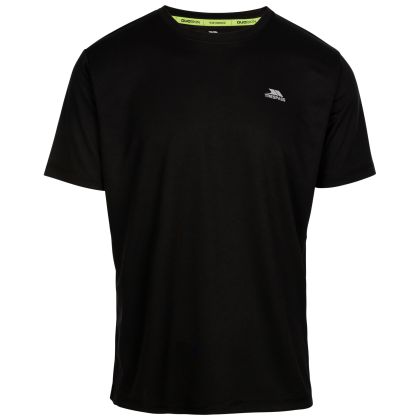 Mens Active T-Shirt Landford in Black$11.99 Was $26.995 colours
 -
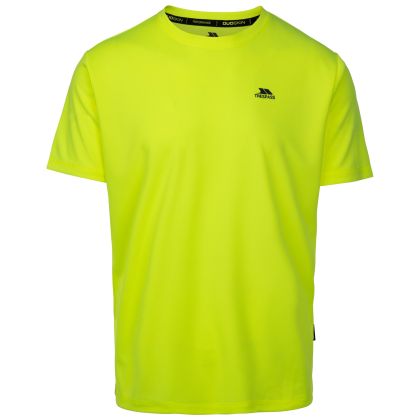 Mens Active T-Shirt Landford in Hi Visibility Yellow$11.99 Was $26.995 colours
 -
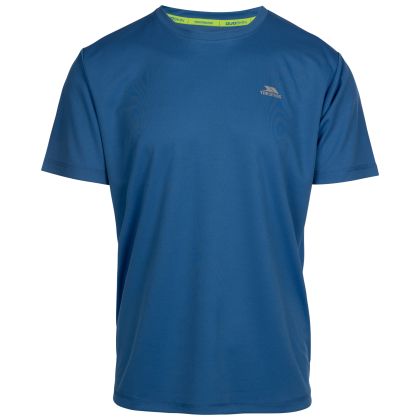 Mens Sports Top Landford in Mid Blue$11.99 Was $26.995 colours
 -
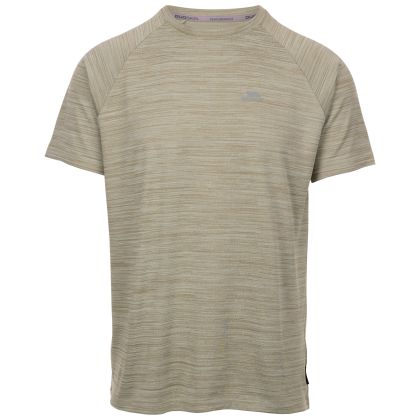 Men s Active Top Leecana in LIGHT SAGE MARL$11.99 Was $28.999 colours
 -
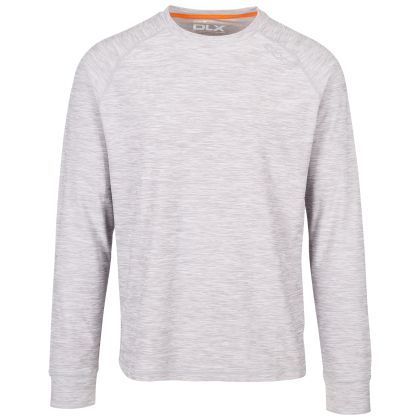 3 colours
 -
 Qikpac Jacket - Unisex Packaway Jacket$26.99 Was $65.9915 colours
 -
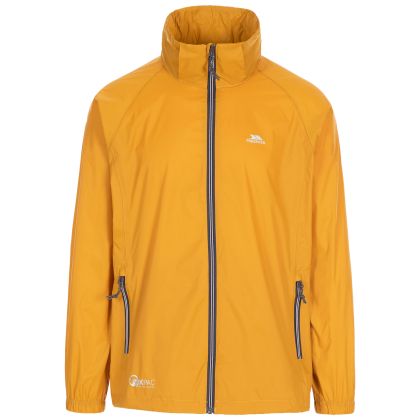 Unisex Packaway Jacket Qikpac X in Maize$38.99 Was $89.999 colours
 -
 Mens Active Leggings in Black Jaxon$8.99 Was $87.99
 -
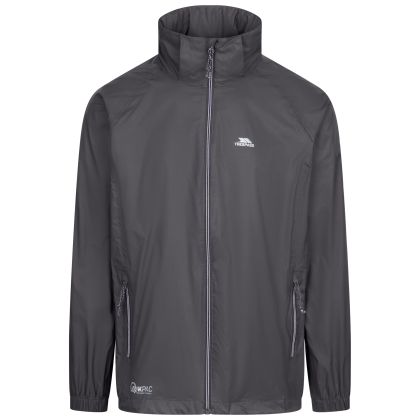 Unisex Packaway Jacket Qikpac X in Flint$38.99 Was $89.999 colours
 -
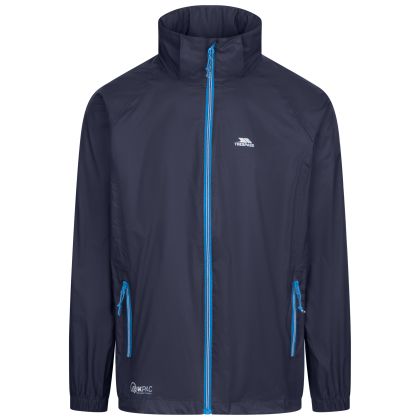 Unisex Packaway Jacket Qikpac X in Navy/blue$38.99 Was $89.999 colours
 -
 Mens Hi-Vis Waterproof Packaway Jacket in Yellow Retract$24.99 Was $89.99
 -
 Men's Ultra Reflective Active Jacket in Light Grey Zig$33.99 Was $112.99
 -
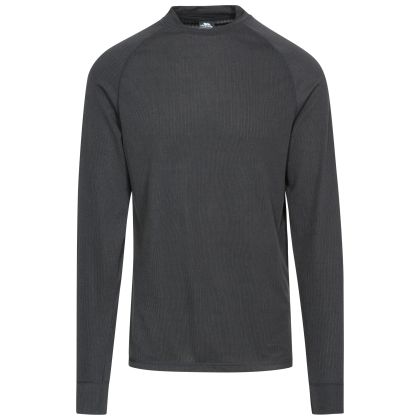 Adults Long Sleeve Thermal Top in Black FLEX360$24.99 Was $45.99
 -
 Adults Waterproof Packaway Jacket in Yellow Qikpac$45.99 Was $89.9915 colours
 -
 Adults Waterproof Packaway Jacket in Navy Qikpac$26.99 Was $65.9915 colours
 -
 Adults Waterproof Packaway Jacket in Grey Qikpac$44.99 Was $89.9915 colours
 -
 Qikpac Adults Waterproof Packaway Jacket in Light Blue$45.99 Was $89.9915 colours
 -
 Adults Waterproof Packaway Jacket in Blue Qikpac$45.99 Was $89.9915 colours
 -
 Adults Waterproof Packaway Jacket in Green Qikpac$45.99 Was $89.9915 colours
 -
 Adults Waterproof Packaway Jacket in Black Qikpac$44.99 Was $89.9915 colours


How to Choose the Best Mens Trail Running Clothing
Choosing mens trail running clothing is about preparing for the demands of the route rather than simply dressing for the distance. Steep climbs, exposed ridges, woodland tracks, and unpredictable forecasts all place different demands on what you wear. Clothing that dries quickly, resists abrasion, and allows unrestricted movement helps you stay focused on the trail instead of your kit. By selecting garments that work together, you can build an outfit that performs reliably across everything from local woodland loops to challenging mountain routes.
Different garments are designed to solve different challenges on the trail.
- Technical running tops: Lightweight, breathable fabrics help regulate temperature during sustained effort.
- Trail running shorts: Built with secure stash pockets and durable materials for carrying small essentials.
- Running leggings and tights: Add warmth and protection during colder conditions while maintaining flexibility.
- Waterproof and windproof jackets: Packable outer layers provide reliable weather protection when forecasts are uncertain.
- Base layers: Form the foundation of a layering system by helping manage moisture throughout your run.
Building your clothing around the conditions you'll face creates a more comfortable and practical setup.
Materials and How They Work
Fabric choice has a major influence on how your running clothing performs.
- Moisture wicking synthetic fibres: Draw perspiration away from the body to help maintain comfort.
- Merino wool: Offers natural temperature regulation and odour control across long days outdoors.
- Stretch woven fabrics: Allow unrestricted movement when climbing, descending, or crossing uneven terrain.
- Ripstop materials: Improve durability against branches, rocks, and repeated trail use.
- Waterproof breathable fabrics: Help protect against rain while allowing excess heat to escape.
Each material contributes to a clothing system that balances protection, comfort, and durability.
Comparing individual features will help you identify clothing suited to your style of trail running.
- Lightweight fabrics help reduce unnecessary bulk.
- Breathable construction improves airflow during demanding climbs.
- Stash pockets provide convenient storage for nutrition or small valuables.
- Flat seams help reduce the risk of chafing on longer runs.
- Stretch fabrics allow unrestricted movement across technical terrain.
- Quick drying materials improve comfort after wet conditions.
- Packable waterproof jackets are useful for variable weather.
- Adjustable hoods and cuffs help improve weather protection.
- Reflective details increase visibility in darker conditions.
Looking beyond appearance and focusing on practical features will help you choose clothing that performs consistently across a wide variety of trail conditions.
The best clothing combination changes throughout the year.
- Spring: Wear a lightweight base layer with a packable jacket ready for passing showers.
- Summer: Prioritise breathable tops, trail running shorts, and moisture managing fabrics to stay comfortable in warmer temperatures.
- Autumn: Introduce wind resistant layers and water repellent outerwear as trails become wetter.
- Winter: Combine insulating base layers with waterproof outer layers and thermal accessories for cold weather running.
- Mixed mountain conditions: Dress in adaptable layers that can be added or removed quickly as elevation and weather change.
Planning your clothing around seasonal conditions instead of following the same setup all year helps you stay prepared without carrying more than you need.
-
Is waterproof trail running clothing worth buying for wet and muddy trails?
- Yes, especially if you regularly run in areas with frequent rain, muddy paths, or exposed hills. Waterproof jackets provide valuable protection against prolonged showers and cold winds, helping maintain comfort during longer outings. For particularly wet conditions, waterproof trousers can also be useful, while lightweight waterproof layers are easier to carry when they're not needed.
-
How do I layer trail running clothing for different seasons?
- Start with a moisture wicking base layer to manage perspiration. During cooler weather, add an insulating mid layer before finishing with a windproof or waterproof outer shell if required. In warmer months, a lightweight technical top is often enough, with a packable jacket carried in reserve for unexpected changes in the weather.
