We value your privacy. We use Cookies to improve your website experience. We also use third-party cookies for marketing purposes.
Cookies are used for ads personalisation. For more info, visit our Privacy Policy.

-
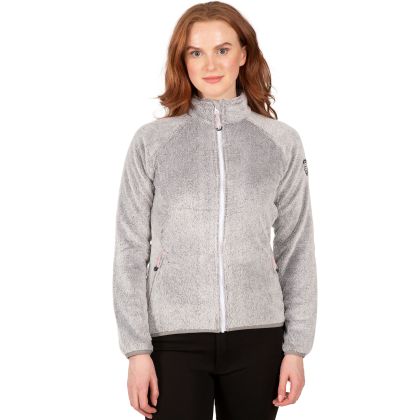 Womens Fleece Jacket Telltale in Silver Grey$38.99 Was $77.99
-
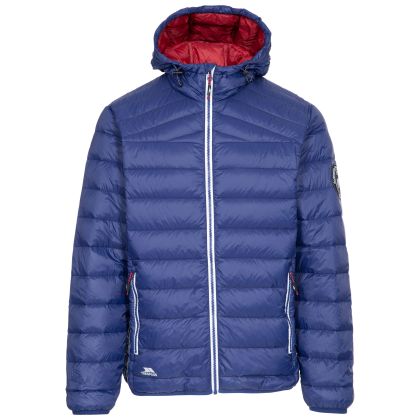 Men's Down Jacket Whitman II in Blue Print$69.99 Was $206.99
-
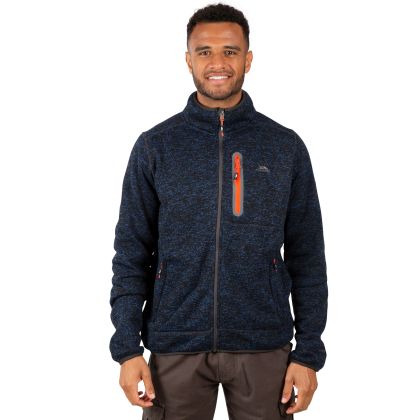 Mens Marl Fleece Jacket in Navy Bingham$29.99 Was $89.99
-
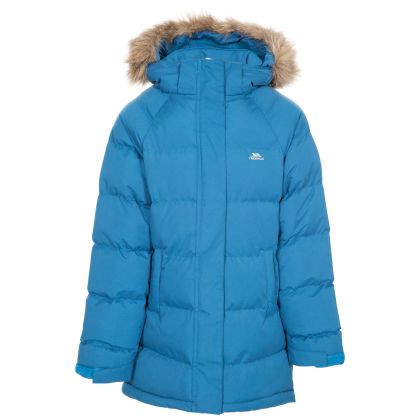 Kids Water Resistant Padded Jacket in Blue Unique$67.99 Was $117.99
-
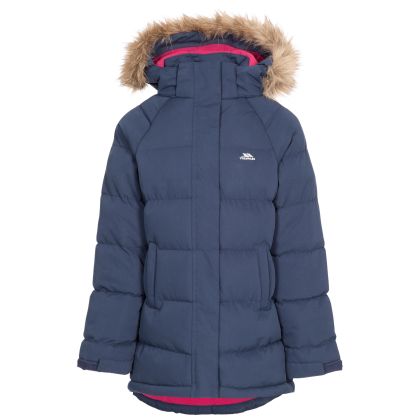 Kids Water Resistant Padded Jacket in Navy Unique$61.99 Was $117.99
-
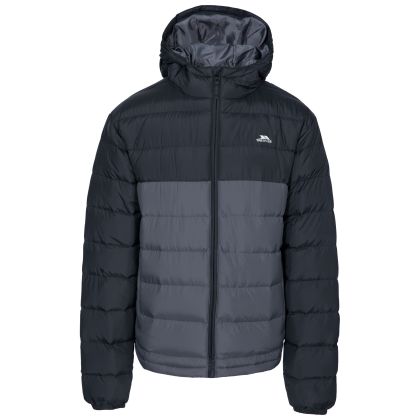 Mens Padded Jacket Oskar In Black$29.99 Was $101.99
-
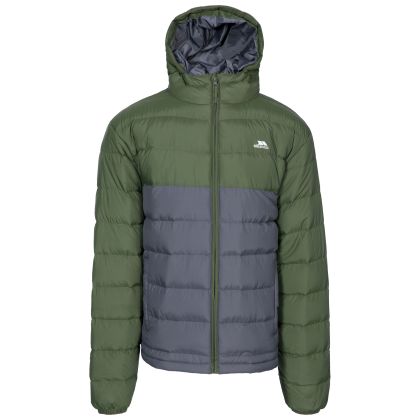 Mens Padded Water Resistant Jacket in Khaki Oskar$54.99 Was $101.99
-
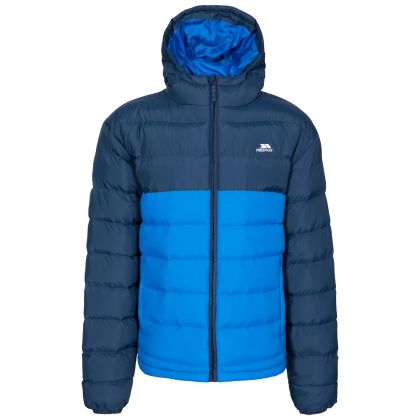 Mens Padded Water Resistant Jacket in Navy Oskar$54.99 Was $101.99
-
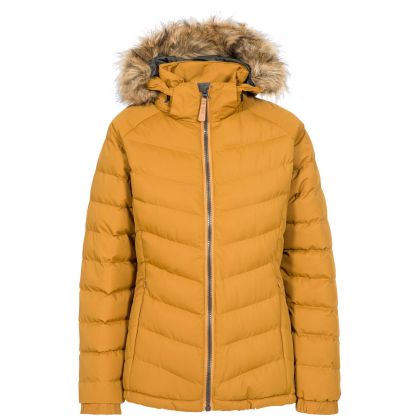 Women's Padded Jacket Nadina in Golden Brown$39.99 Was $131.99
-
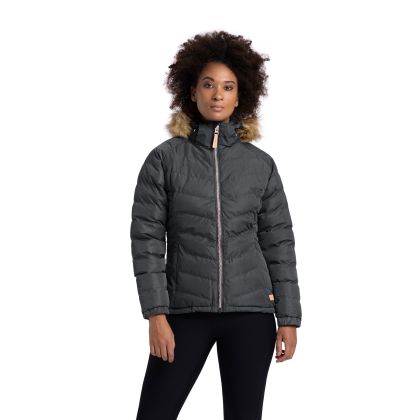 Women's Padded Jacket Nadina in Black$66.99 Was $131.99
-
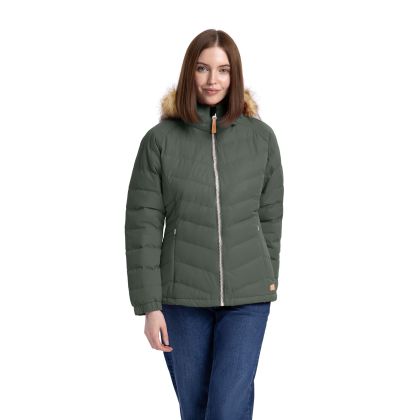 Women's Padded Jacket Nadina in Olive$66.99 Was $131.99
-
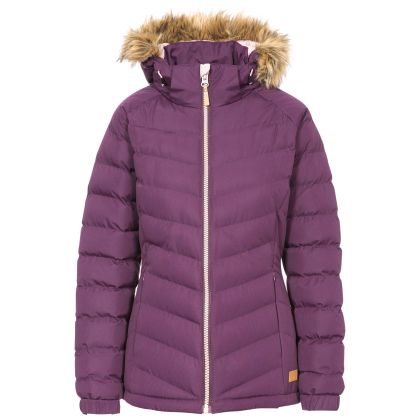 Women's Padded Jacket Nadina in Potent Purple$66.99 Was $131.99
-
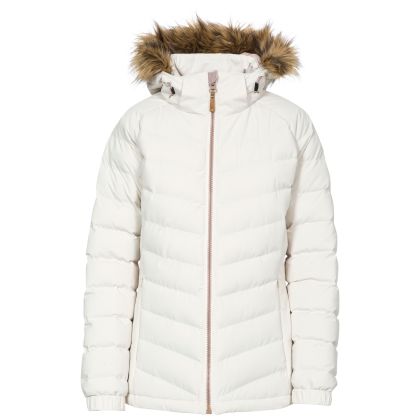 Women's Padded Jacket Nadina in Vanilla$66.99 Was $131.99
-
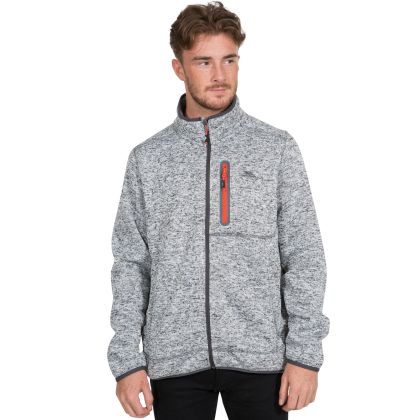 Mens Marl Fleece Jacket Bingham in Light Grey$29.99 Was $89.99
-
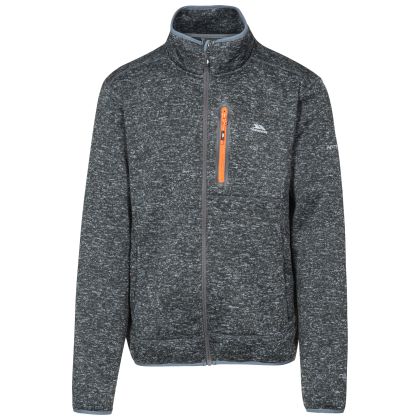 Mens Marl Fleece Jacket in Black Bingham$29.99 Was $89.99
-
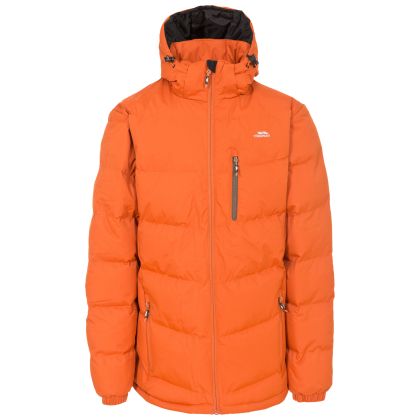 Mens Padded Casual Jacket in Orange Blustery$63.99 Was $119.99
-
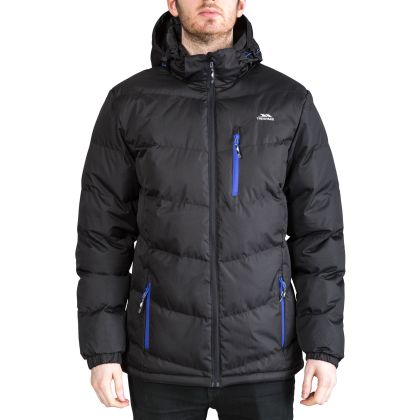 Mens Padded Casual Jacket in Black Blustery$49.99 Was $99.99
-
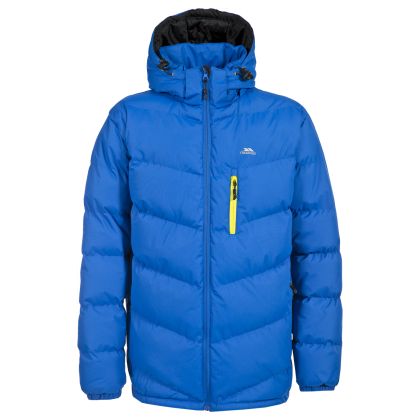 Mens Padded Casual Jacket in Blue Blustery$49.99 Was $99.99
-
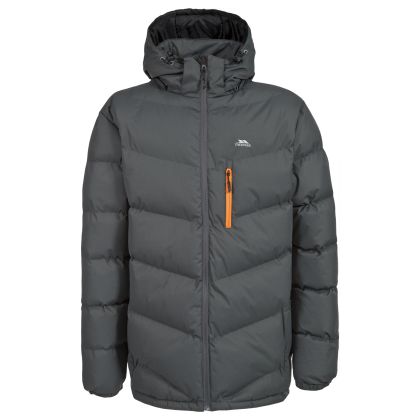 Mens Padded Casual Jacket in Grey Blustery$49.99 Was $119.99
-
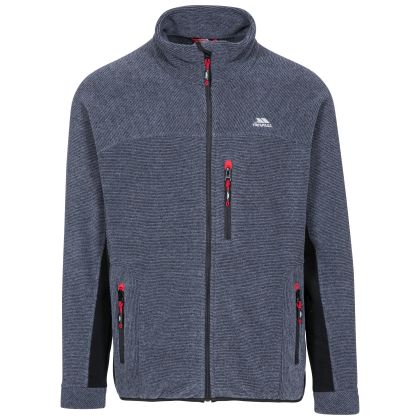 Mens Fleece Jacket Jynx in Navy Stripe$31.99 Was $96.99
-
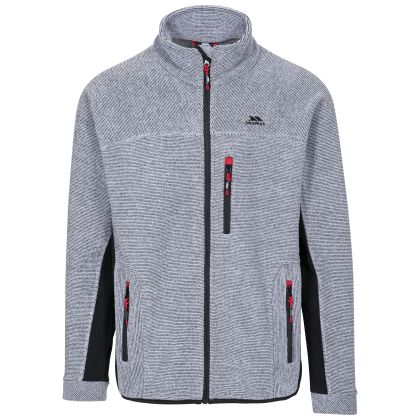 Mens Fleece Jacket in Light Grey Jynx$44.99 Was $96.99
-
 Mens Fleece Jacket in Blue Jynx$31.99 Was $96.99
-
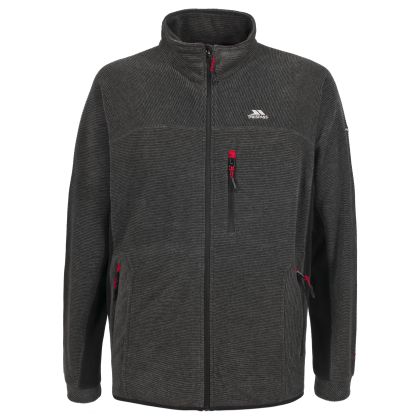 Mens Fleece Jacket in Black Jynx$31.99 Was $96.99
-
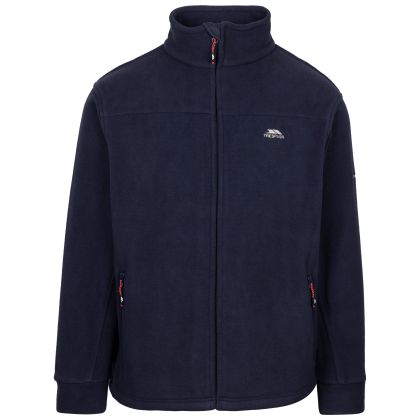 Mens Sueded Fleece Jacket Bernal In Navy$27.99 Was $55.99
-
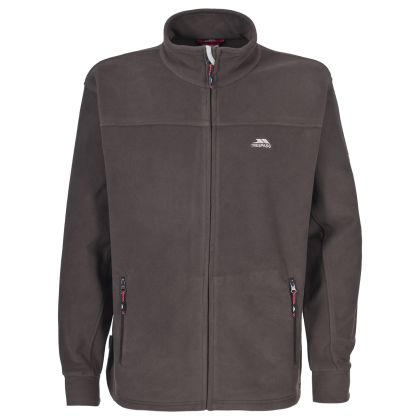 Mens Sueded Fleece Jacket Bernal In Khaki$38.99 Was $77.99
-
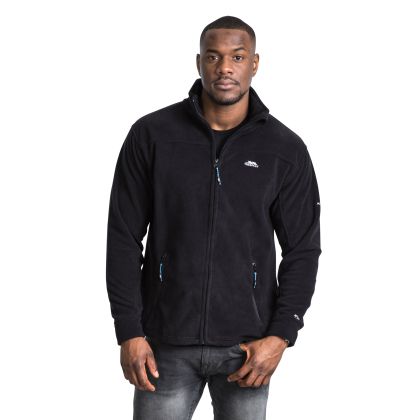 Mens Suede Fleece Jacket Bernal In Black$38.99 Was $77.99
-
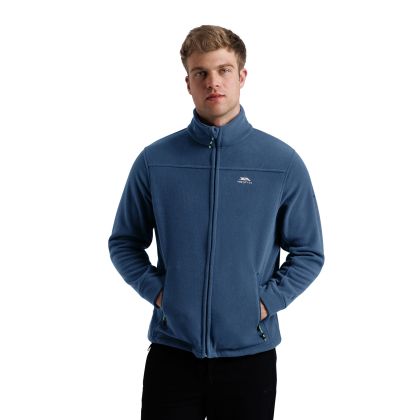 Mens Sueded Fleece Jacket in Navy Bernal$38.99 Was $77.99
-
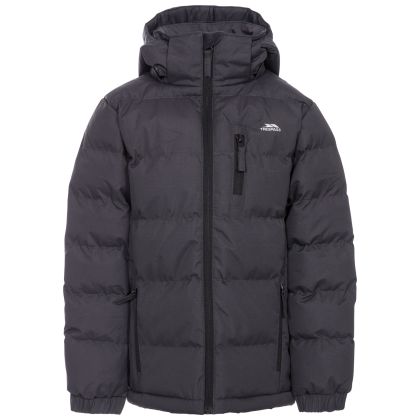 Boys Padded Casual Jacket in Grey Tuff$27.99 Was $100.99
-
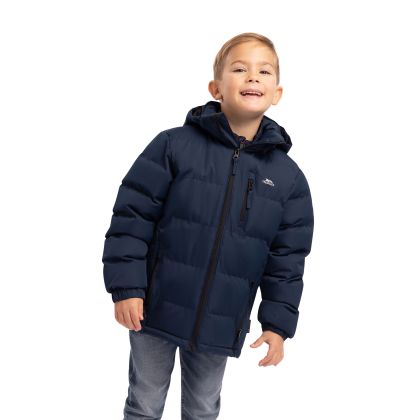 Boys Padded Casual Jacket in Navy Tuff$51.99 Was $100.99
-
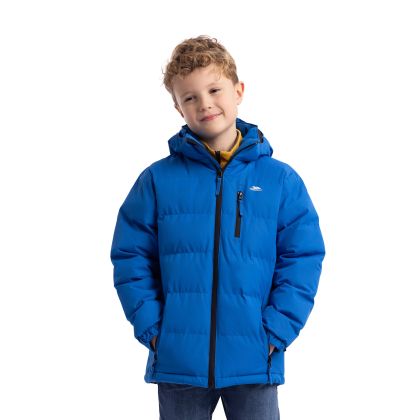 Boys Padded Casual Jacket in Blue Tuff$51.99 Was $100.99
-
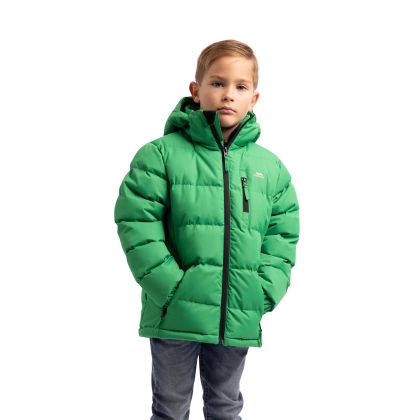 Boys Padded Casual Jacket in Green Tuff$51.99 Was $100.99
-
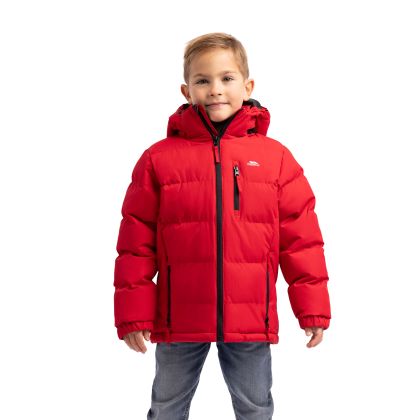 Boys Padded Casual Jacket in Red Tuff$51.99 Was $100.99
-
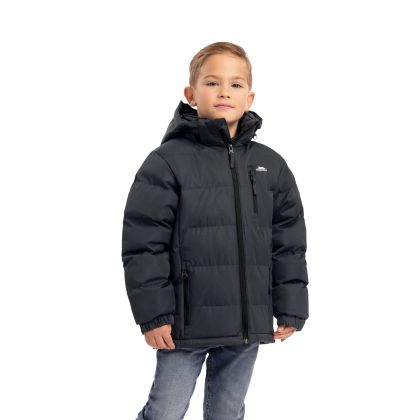 Boys Padded Casual Jacket in Grey Tuff$27.99 Was $100.99
-
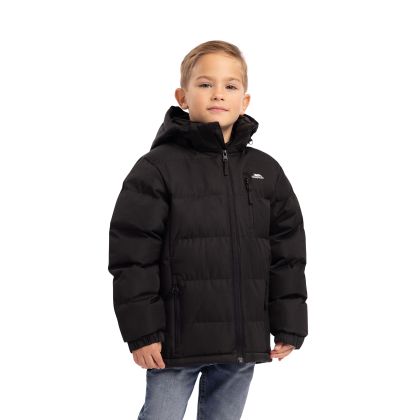 Boys Padded Casual Jacket in Black Tuff$51.99 Was $100.99
-
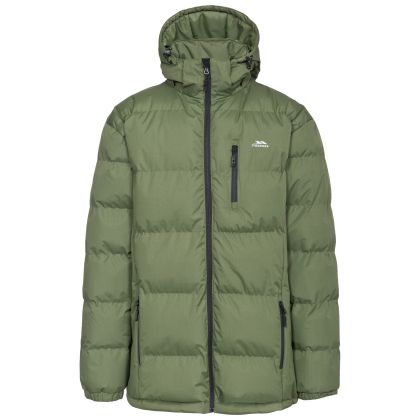 Mens Hooded Padded Casual Jacket in Khaki Clip$61.99 Was $119.99
-
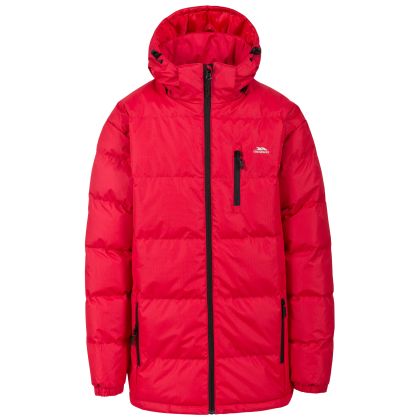 Mens Hooded Padded Casual Jacket in Red Clip$61.99 Was $119.99
-
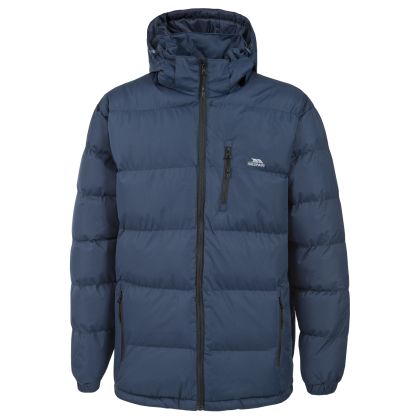 Mens Hooded Padded Casual Jacket in Navy Clip$36.99 Was $119.99
-
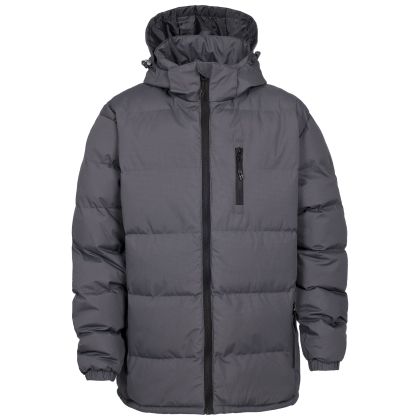 Mens Hooded Padded Casual Jacket in Grey Clip$61.99 Was $119.99
-
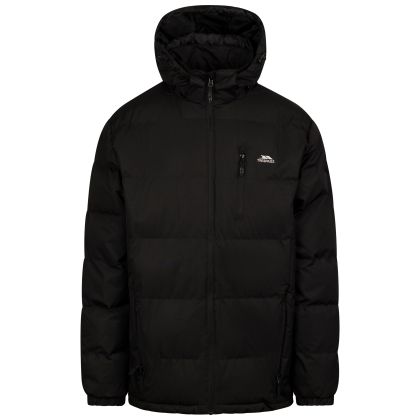 Mens Hooded Padded Casual Jacket in Black Clip$36.99 Was $119.99


Guide to Buying Après Ski Jackets
After a day on the slopes, mountain life moves to cafés, outdoor terraces and village restaurants. Temperatures can drop quickly, particularly when you're no longer moving around on skis. Après ski jackets provide warmth for these quieter moments while offering a more relaxed alternative to technical ski wear.
An insulated puffer may be useful for outdoor gatherings, while a lighter jacket can be more comfortable for evenings spent indoors. The key is finding something that suits your plans, the temperature and the amount of time you'll spend outside.
Different jacket styles offer varying levels of insulation and coverage. Consider where you'll be spending your evenings before deciding which design to pack.
- Puffer Jackets: Filled with down or synthetic insulation, puffers retain body heat and are particularly useful for outdoor celebrations in freezing temperatures.
- Longline Padded Jackets: Extended coverage around the hips and thighs makes these suitable for evening strolls through snowy resort villages.
- Fleece-Lined Jackets: A soft interior adds comfort when heading to casual restaurants or spending time in a mountain lodge.
- Hooded Insulated Jackets: These provide extra head and neck coverage during snowfall or windy conditions, particularly when walking through exposed resort areas.
For most ski holidays, a versatile padded jacket can cover several après ski activities without taking up too much luggage space.
Materials and How They Work
The outer fabric and insulation determine how well a jacket performs in mountain conditions.
- Down: Lightweight clusters trap insulating air, providing excellent warmth relative to weight in dry conditions.
- Synthetic Insulation: Polyester filling retains more of its insulating ability when damp, making it practical for changeable conditions.
- Polyester Fleece: Soft fibres provide insulation and comfort, particularly when used as an inner lining.
- Nylon: Often used in padded outerwear because it's lightweight and durable, although waterproof performance depends on the garment's construction.
- Water-Repellent Fabrics: Treated surfaces help shed light snow and moisture but shouldn't be confused with fully waterproof materials.
Insulation is particularly important for outdoor après ski events, while fabric weight and breathability become more noticeable in heated venues.
Après ski jackets should provide practical protection without feeling unnecessarily heavy during social activities.
- High collars help shield the neck from cold mountain winds.
- Insulated hoods provide extra coverage during unexpected snowfall.
- Adjustable cuffs reduce gaps where cold air can enter.
- Zipped pockets keep phones, room keys and other essentials secure.
- Fleece-lined pockets provide a softer place to warm cold hands.
- Lightweight insulation offers warmth without excessive bulk.
- Water-resistant outer fabrics help protect against light snow.
- Full-length zips allow easy ventilation inside heated restaurants.
- Longer hems provide additional coverage when standing outdoors.
- Secure front fastenings help prevent cold air entering through the jacket opening.
Check the individual jacket's specifications, as insulation levels and weather protection vary between styles.
Après ski can involve anything from a quick drink beside the slopes to several hours outside after sunset.
- Outdoor après ski parties: An insulated puffer provides warmth when standing around in low temperatures.
- Alpine village exploring: A mid-length padded jacket offers coverage for walking between shops, cafés and accommodation.
- Chalet gatherings: A lighter fleece-lined jacket may be sufficient when most of the evening is spent indoors.
- Mountain restaurant dinners: A quilted or neatly shaped padded coat works well with knitwear and smarter trousers.
- Evening resort events: A longer insulated coat offers additional protection when temperatures drop and movement is limited.
- Travelling home: A lightweight jacket that can be removed easily is convenient for transfers and airport journeys.
Remember that snowy pathways also require suitable footwear. Waterproof boots with good tread are generally safer than smooth-soled fashion shoes on slippery surfaces.
-
Can you wear a ski jacket for après ski activities?
- Yes, a ski jacket is suitable for many après ski activities, especially when heading directly from the slopes to an outdoor bar or restaurant. Insulated ski jackets provide warmth, while waterproof designs offer protection against snow and rain. However, they can feel bulky or excessively warm inside heated venues. If you're returning to your accommodation first, changing into a casual padded jacket may be more comfortable. Separate après ski clothing is a preference rather than a requirement.
-
Is an insulated jacket necessary for après ski, or are lightweight layers enough?
- An insulated jacket is useful when spending extended periods outdoors in freezing temperatures, particularly during evening events. Lightweight layers may be sufficient for milder conditions, short walks between venues or activities taking place mainly indoors. A fleece beneath a wind-resistant jacket provides flexibility, but it may not offer enough warmth when standing still in very cold conditions. Consider the temperature, wind and duration of your plans before deciding how much insulation you need.
