We value your privacy. We use Cookies to improve your website experience. We also use third-party cookies for marketing purposes.
Cookies are used for ads personalisation. For more info, visit our Privacy Policy.


-
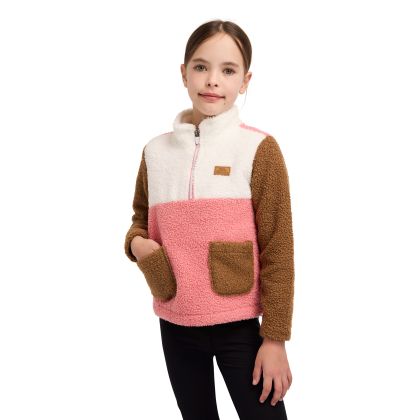 Kids Half Zip Fleece Mitta in Peachpink$17.99 Was $36.99
-
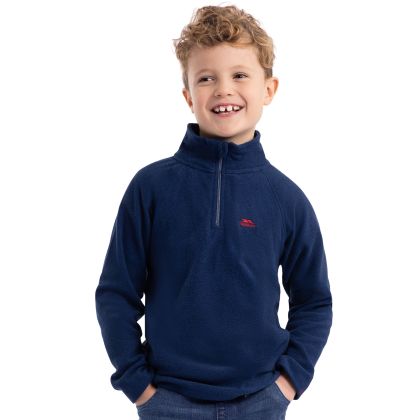 Kids 1/2 Zip Fleece Keynote In Navy$22.99 Was $44.99
-
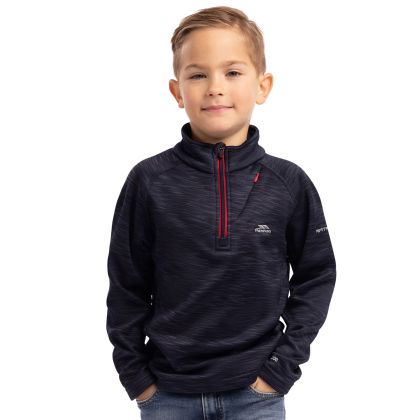 Kids Half Zip Fleece in Navy Edvin$30.99 Was $61.99
-
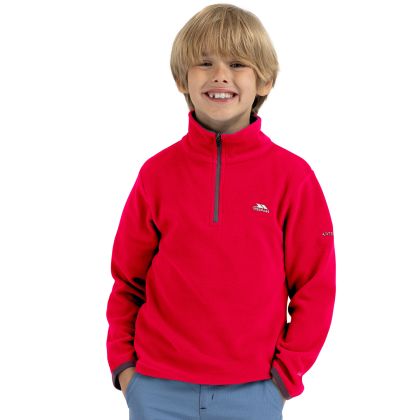 Kids Half Zip Fleece in Red Etto$22.99 Was $44.99
-
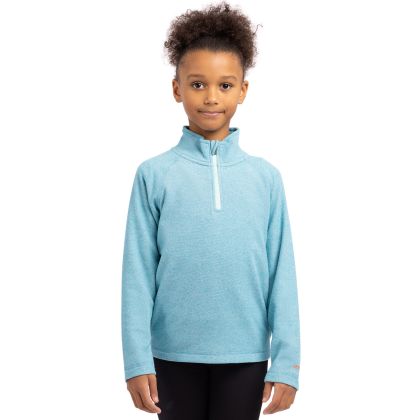 Kids Half Zip Fleece in Blue Meadows$22.99 Was $44.99
-
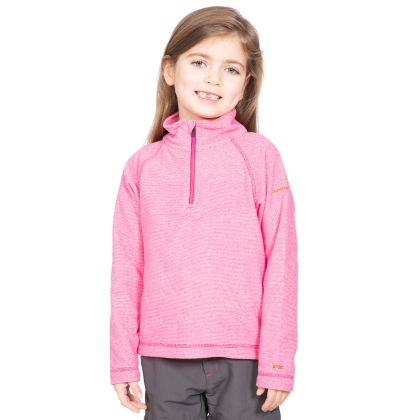 Kids Half Zip Fleece in Pink Meadows$22.99 Was $44.99
-
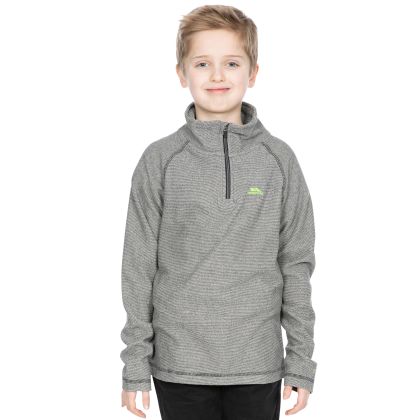 Kids Half Zip Fleece in Black Keynote$22.99 Was $44.99


Buying the Right Kids Winter Fleece
Children rarely stay at the same activity level for long. They might be walking one minute and running or climbing the next, so their winter clothing needs to provide warmth without becoming uncomfortable once they start moving. Kids winter fleeces offer lightweight insulation and breathability, making them useful over t-shirts and base layers or underneath waterproof jackets. Different fleece weights and zip styles also make it easier to find suitable options for milder days, colder outings and everyday layering.
Fleece jackets come in different constructions, allowing parents to select the amount of coverage and insulation children need. Ease of dressing is also worth considering, particularly for kids who need to manage their own layers at school or outdoors.
- Full Zip Fleece Jackets: Full zip fleece jackets open completely at the front, making them easy for children to put on, remove or unzip when they become warm.
- Fleece Hoodies: A hood provides additional coverage around the head and neck, making these jackets useful for casual winter outings and outdoor play.
- Microfleeces: Lightweight fleeces provide comfortable insulation without too much bulk. They work particularly well as a mid layer or during milder weather.
- Midweight Fleeces: These provide more warmth than microfleece while retaining enough breathability for active children.
- Heavyweight Fleeces: Thicker kids fleece jackets trap more heat and are suited to colder days when greater insulation is needed.
With options for both boys fleeces and girls' styles, fleece can provide adaptable warmth for school days, family walks and time spent outdoors.
Materials and How They Work
Children's fleece needs to retain warmth while allowing moisture and excess heat to escape during active play. Lightweight, breathable construction can help children remain comfortable as their pace changes.
- Polyester Fleece: Synthetic fleece traps warm air within its fibres while remaining relatively light and breathable.
- Microfleece: Fine fleece fibres create a thinner fabric that works well beneath other jackets without restricting movement.
- Midweight Fleece: Around 200 GSM provides a useful balance between warmth and breathability for general winter wear.
- Heavyweight Fleece: Around 300 GSM offers greater insulation for colder conditions and slower outdoor activities.
The appropriate fabric weight depends on temperature and activity, with lighter materials favouring movement and heavier fabrics providing additional warmth.
Why Fleece Weight Matters
Fleece weight affects how much insulation a jacket provides and how easily it can be layered with other clothing. The brief identifies lightweight fleece at around 100g, midweight at around 200g and heavyweight at up to 300g.
A lighter fleece can suit energetic play or act as an insulating layer beneath a coat. Midweight options provide greater warmth for everyday winter conditions, while heavier jackets are more suitable when temperatures are lower.
Using the appropriate weight helps children stay warm without making their clothing unnecessarily bulky.
Children's fleeces need to cope with frequent movement and regular wear, so comfort and durability are particularly useful considerations.
- Breathable fabric allows excess heat to escape when kids run, climb and play.
- Full zip openings make temperature adjustment straightforward.
- Elasticated cuffs help reduce cold draughts around the wrists.
- Adjustable hems can provide closer coverage around the lower body.
- A chin guard prevents the top of the zip rubbing against the skin.
- Hoods provide additional coverage when the temperature drops.
- Deep zipped pockets give children secure storage for small belongings.
- Quick-drying fabrics are practical when jackets become damp during outdoor activities.
- Reinforced high-wear areas can improve durability.
- Anti-pill finishes help fleece retain its soft surface through frequent washing.
These practical details help fleece jackets remain comfortable through active use while standing up to the demands of regular winter wear.
Where and how a fleece will be worn can help determine the most useful weight and design. Active children generally need less insulation than those spending longer periods outside at a slower pace.
- School: A full zip fleece is easy to remove indoors and can provide a comfortable extra layer during colder journeys.
- Outdoor play: Lightweight or midweight fleece provides warmth while allowing enough breathability for energetic movement.
- Family walks: A midweight fleece can provide useful insulation beneath a waterproof jacket when the weather is cold or changeable.
- Colder days: Heavyweight fleece provides additional protection when children need more substantial insulation.
- Layering: A lightweight fleece sits comfortably between a base layer and outer jacket without creating excessive bulk.
Matching fleece weight and construction to children's activities provides enough warmth while preserving the freedom they need to move comfortably.
-
What weight fleece is best for winter?
- For many children, a midweight fleece of around 200 GSM provides a practical balance of warmth and breathability during winter. Lightweight fleece around 100 GSM can work well for active kids or as a layer underneath another jacket, while heavyweight options around 300 GSM provide stronger insulation in colder conditions. Consider how active your child will be and whether another outer layer will be worn.
-
Can you wear a fleece instead of a jacket in winter?
- A fleece jacket can be worn as the outer layer on dry, relatively mild winter days, particularly when children are active and generating plenty of body heat. However, fleece itself is not waterproof, so it cannot provide the same protection as an outer jacket during rain or wet snow. In poor weather, it works better as a warm mid layer underneath a waterproof shell.
