We value your privacy. We use Cookies to improve your website experience. We also use third-party cookies for marketing purposes.
Cookies are used for ads personalisation. For more info, visit our Privacy Policy.


-
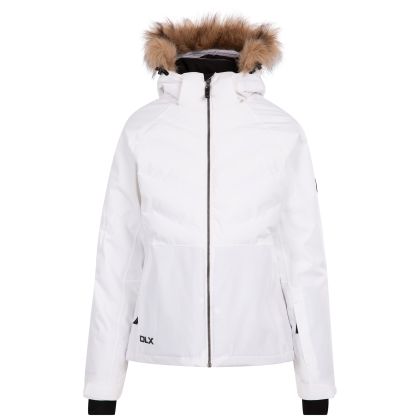 DLXWomens Ski Jacket Gaynor in WHITE$139.99 Was $335.99

Guide to Buying Womens Winter Jackets
A good winter coat should feel comfortable across an entire day, not just during the few minutes spent outdoors. Womens winter jackets range from light quilted layers that can be carried when the forecast is uncertain to longer parkas that surround more of the body in persistent cold. Rain and wind also change what is required from a coat, particularly during a season of unpredictable weather. Waterproof membranes, wind-blocking construction and suitable insulation can therefore be just as relevant as warmth. Women's winter coats should also leave sufficient room for layering, allowing clothing underneath to be adjusted as the temperature changes.
Length and construction give winter coats noticeably different uses. Rather than concentrating only on how thick a jacket appears, consider the amount of coverage and protection its design provides.
- Longline Jackets: Extra length provides more coverage on cold days and can make these winter jackets useful when more of the body needs protection.
- Padded Puffers: Padded sections provide insulation while creating a warm winter layer suitable for colder parts of the season.
- Weatherproof Parkas: Parkas combine extended coverage with protection suited to cold and wet conditions.
- Quilted Jackets: Lightweight and packable, quilted styles provide useful warmth when the weather is unsettled without the weight of a substantial coat.
- Winter Raincoats: Weatherproof raincoats prioritise protection during downpours and can be particularly useful through wet periods of winter.
These styles give women options for persistent rain, sharp cold and milder days when a substantial insulated coat would feel excessive.
Materials and How They Work
Warmth depends on what is inside a jacket, while comfort also relies on the fabrics surrounding that insulation. Different materials solve different winter problems.
- Down: Its excellent warmth-to-weight ratio allows down to retain substantial heat without requiring a particularly heavy jacket. It also compresses easily.
- Synthetic Insulation: Synthetic fill continues insulating in damp conditions and provides an alternative for winter coats likely to encounter frequent moisture.
- Waterproof Membranes: These form a barrier intended to prevent external moisture reaching the insulation beneath.
- Breathable Fabrics: During active use, breathable materials allow internally generated moisture to escape rather than accumulating inside the jacket.
- Windproof Fabrics: A wind-blocking outer layer reduces the amount of cold air penetrating through the garment.
A coat can combine several of these materials, providing insulation at its core while the surrounding fabrics manage wind, rain and internal moisture.
A winter coat is easier to rely on when its details address the places where cold air and moisture commonly enter. These features are worth checking when comparing women's winter coats.
- Sealed seams reduce moisture passing through stitching holes.
- A DWR finish helps prevent moisture soaking readily into the outer surface.
- Storm flaps provide additional wind protection over front zips.
- Internal cuffs limit cold drafts and snow entering at the wrists.
- Adjustable hoods provide closer coverage around the head in poor weather.
- Fleece-lined hand-warmer pockets offer a sheltered space for cold hands.
- Waterproof membranes protect insulation from outside moisture.
- Breathable fabrics improve comfort during more active winter days.
- A relaxed fit can provide useful room for additional layers.
- Packable construction makes lighter quilted jackets easier to carry when not required.
Together, these details make winter jackets more capable of handling the mixture of cold, wind and wet weather encountered throughout the season.
How long the jacket stays on and the amount of protection required can narrow down which style is most practical.
- Long periods outdoors: A mid-thigh or knee-length parka provides more insulated coverage than a short jacket.
- Rainy winter days: Weatherproof coats with sealed seams and a waterproof membrane provide greater protection against persistent moisture.
- Active days: Breathable fabrics are useful when regular movement produces additional body heat and perspiration.
- Casual weekends: A padded puffer provides straightforward warmth and works easily over relaxed winter layers.
- Uncertain forecasts: A lightweight quilted jacket is easier to pack or carry if temperatures change during the day.
- Windy conditions: Windproof construction, protected zips and secure cuffs reduce exposure through vulnerable areas of the jacket.
Different women's winter coats can therefore cover very different parts of the season, from lightweight layers for changeable days to long, protective styles for sustained cold.
-
What should I wear underneath a winter jacket in very cold weather?
- Start with a comfortable base layer, then add an insulating layer such as a fleece or warm knit before putting on the winter jacket. In very cold conditions, this creates several layers that can retain warmth without relying entirely on the outer coat. There should still be room to move comfortably once everything is worn together; clothing that makes the jacket excessively tight can restrict movement and reduce comfort.
-
Are winter jackets waterproof?
- Not all winter jackets are waterproof. Some are primarily made to provide insulation and warmth, while others include a waterproof membrane, sealed seams or other weatherproof construction for protection in rain and snow. A DWR finish can help moisture bead off the outer fabric, but this alone does not necessarily make a jacket fully waterproof. For consistently wet winter weather, check that the jacket is specifically described as waterproof.
