We value your privacy. We use Cookies to improve your website experience. We also use third-party cookies for marketing purposes.
Cookies are used for ads personalisation. For more info, visit our Privacy Policy.


-
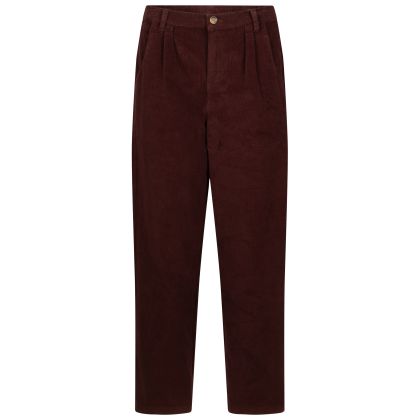 Womens Cordory Trousers Loz In Mocha$26.99 Was $65.99
-
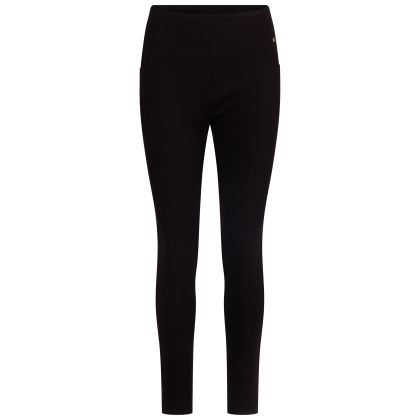 Womens Casual Leggings Trix in Black$16.99 Was $41.99
-
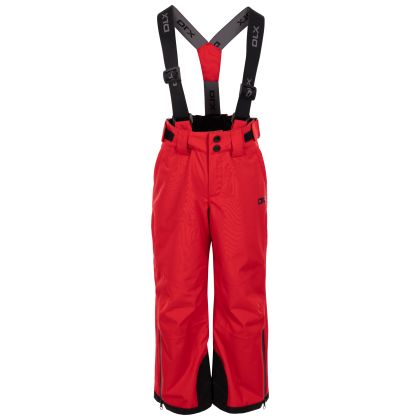 DLXKids Ski Trousers Benito in Red$25.99 Was $125.99
-
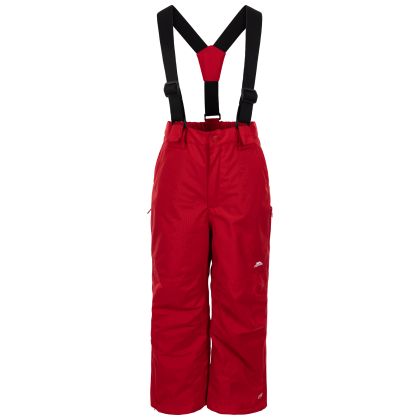 Kids Ski Trousers Rumi in Red$17.99 Was $65.99
-
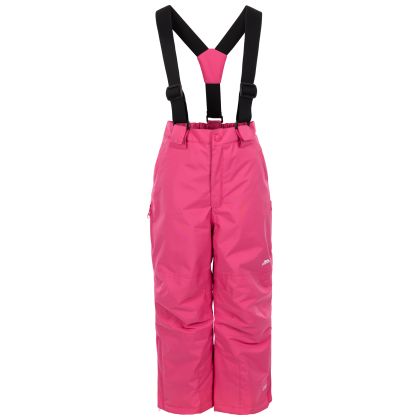 Kids Ski Trousers Rumi in Soft Pink$17.99 Was $65.99
-
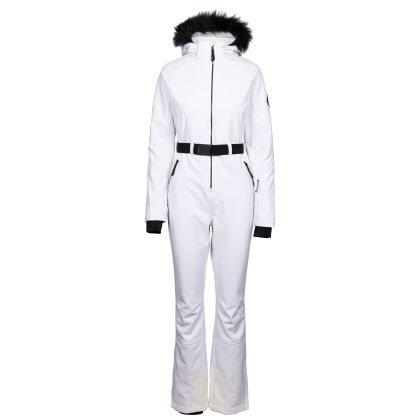 DLXDLX Womens Ski Suit Valene in White$115.99 Was $352.99
-
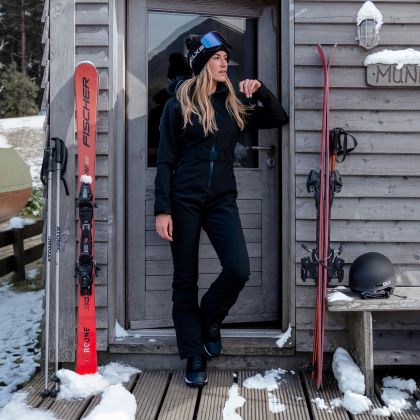 DLXDLX Womens Ski Suit Valene in Black$139.99 Was $352.99
-
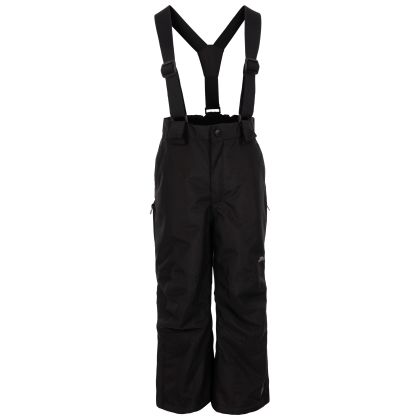 Kids Ski Trousers Rumi in Black$27.99 Was $65.99
-
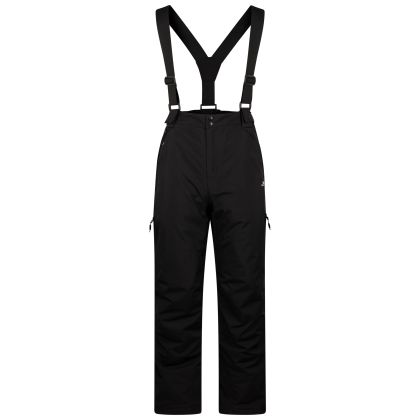 Mens Ski Trousers Shaun in Black$65.99 Was $164.99
-
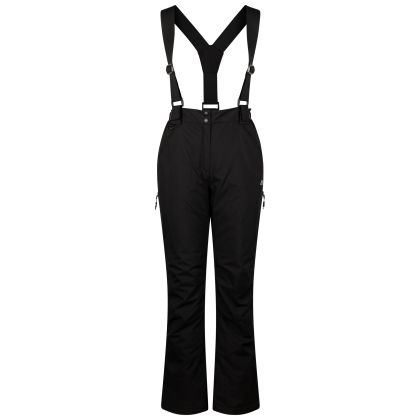 Womens Ski Trousers Jayne in Black$59.99 Was $153.99
-
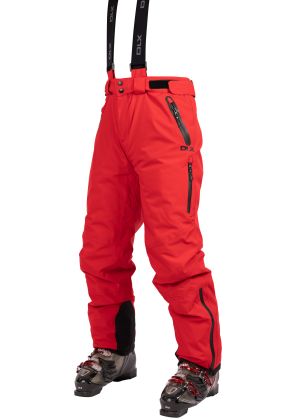 DLXDLX Mens Ski Trousers Kristoff ii In Red$89.99 Was $219.99
-
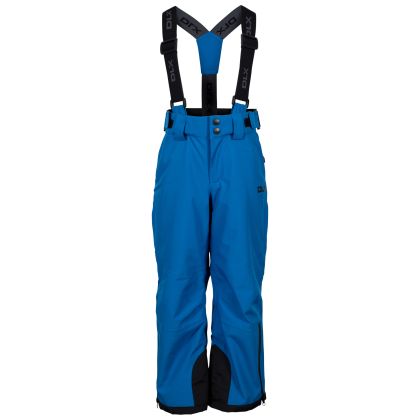 DLXKids Ski Trousers Benito in BLUE$25.99 Was $125.99
-
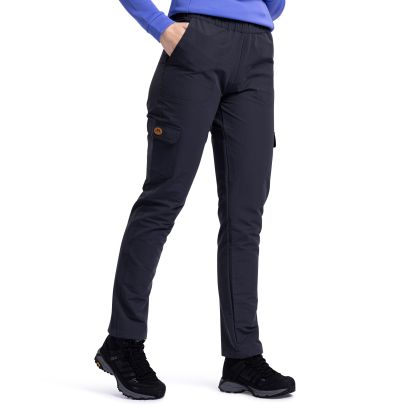 Women's Walking Trousers Freda in Dark Grey$29.99 Was $73.99
-
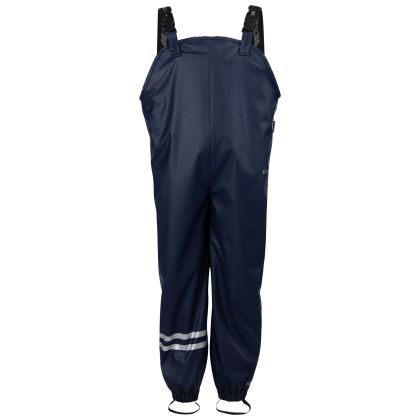 Babies Waterproof Trousers Raining in NAVY$13.99 Was $33.99
-
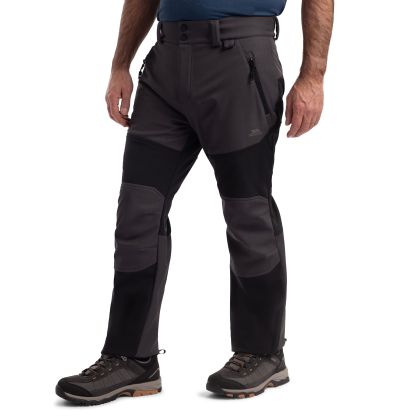 Men s Softshell Walking Trousers Marco in BLACK$39.99 Was $94.99
-
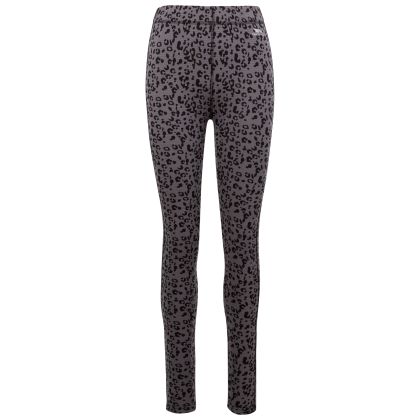 Women's Base Layer Trousers Minstrel in Dark Grey$12.99 Was $45.99
-
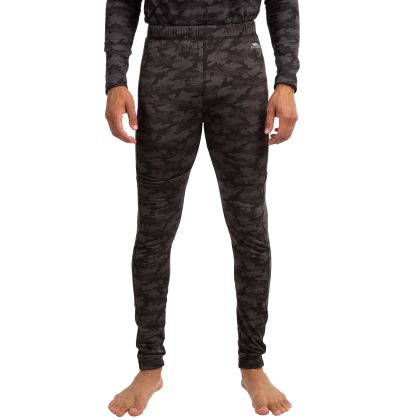 Mens Base Layer Trousers Derren in DARK GREY$12.99 Was $51.99
-
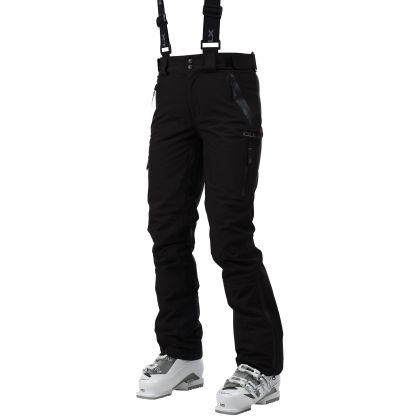 DLXDLX Women's Ski Trousers Marisol II In Black$84.99 Was $209.99
-
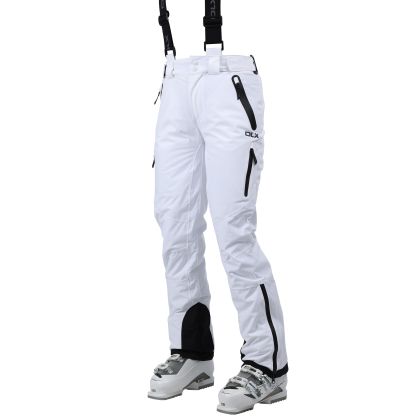 DLXDLX Women's Ski Trousers Marisol II in White$84.99 Was $209.99
-
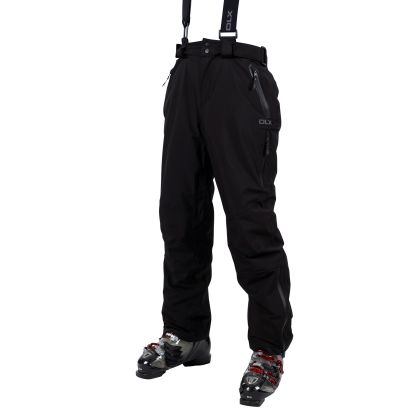 DLXDLX Mens Ski Trousers Kristoff II In Black$89.99 Was $219.99
-
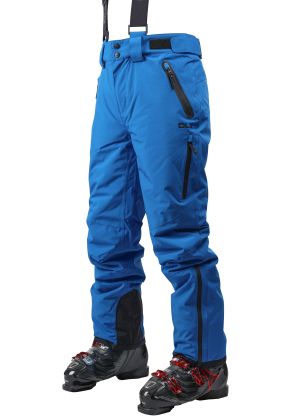 DLXDLX Mens Ski Trousers Kristoff II in Blue$89.99 Was $219.99
-
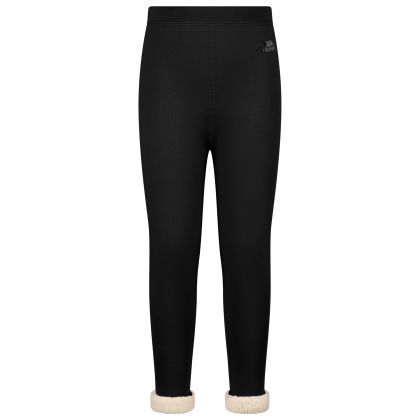 Kids Sherpa Lined Leggings Fuzzy In Black$13.99 Was $30.99
-
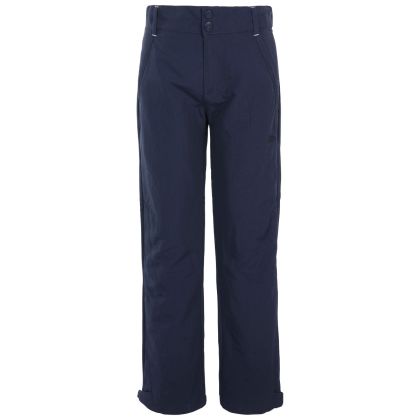 Kids Walking Trousers UV40+ Fully Lined Decisive Navy$15.99 Was $69.99
-
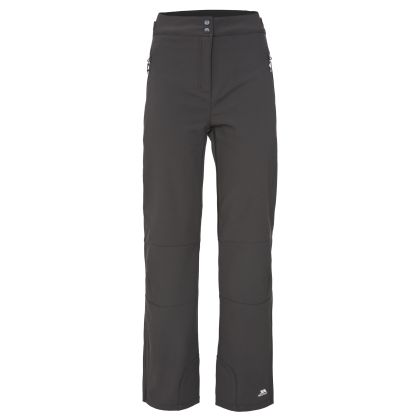 Womens Water Resistant Softshell Trousers Squidge II in Black$36.99 Was $117.99
-
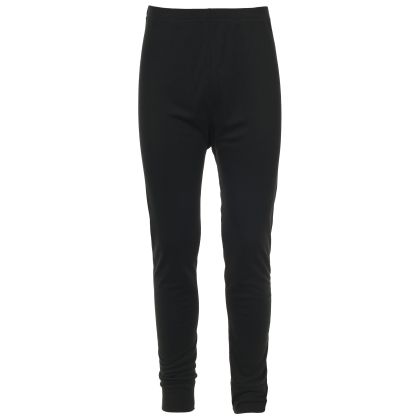 Adults Thermal Trousers Yomp360 In Black$26.99 Was $42.99
-
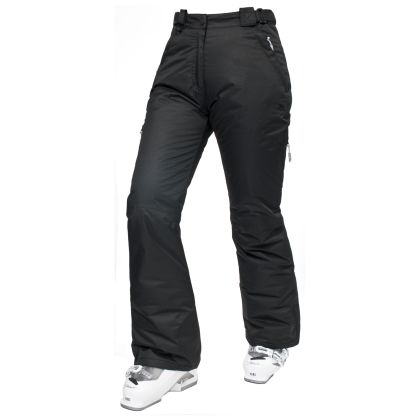 Womens Waterproof Ski Trousers Lohan in Black$75.99 Was $118.99
-
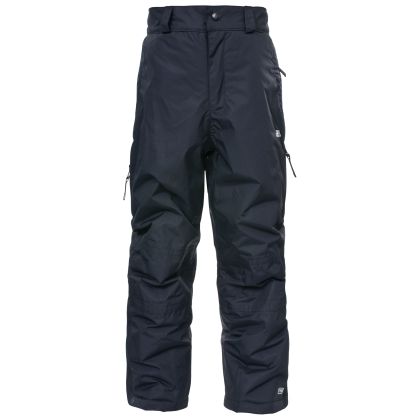 Kids Insulated Salopettes Marvelous in Black$61.99 Was $103.99
-
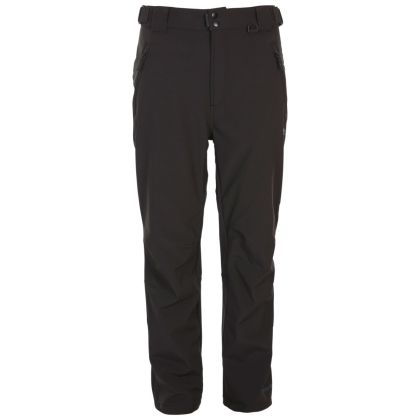 Mens Water Resistant Softshell Trousers in Black Hemic$48.99 Was $122.99


How to Choose the Best Winter Trousers
Cold weather places particular demands on trousers, especially when your legs are exposed to wind, damp ground and low temperatures for several hours. Winter trousers provide additional protection through insulating fabrics, brushed linings and weather-resistant outer materials. Unlike ordinary trousers, which may offer little defence against cold air, winter-specific designs can retain body heat while allowing freedom of movement. Some are suitable for countryside walks and demanding hikes, while others offer everyday comfort or a smarter appearance. Understanding the differences between insulation, fabric weight and fit makes it easier to select trousers that perform well in colder conditions.
A suitable pair should also accommodate your usual footwear and any thermal layers worn underneath. Features such as adjustable waistbands, reinforced knees and ventilated panels can make a noticeable difference during longer outings.
Winter trousers are available in several constructions, each offering a different balance of insulation, flexibility and weather protection. The most suitable styles depend on how much movement is involved and the conditions they will encounter.
- Fleece-Lined Trousers: A soft brushed fleece lining helps retain body heat, providing additional insulation without requiring separate thermal leggings. These trousers are particularly useful for cold walks and everyday outdoor activities.
- Winter Walking Trousers: Designed for regular movement, these often combine flexible fabrics with wind resistance and a water-repellent finish. Some include a brushed interior for added warmth.
- Softshell Trousers: Softshell fabrics provide protection against cold wind and light moisture while allowing greater flexibility than many traditional waterproof overtrousers. They are well suited to active outdoor use.
- Wool-Blend Trousers: Wool fibres naturally trap insulating air, making wool-blend styles suitable for colder days when a more polished appearance is preferred.
- Corduroy Trousers: The raised texture of corduroy helps retain warm air, providing a warmer alternative to lightweight smooth cotton trousers for casual wear.
- Insulated Outdoor Trousers: Heavier constructions combine protective outer fabrics with thermal insulation, offering additional warmth for prolonged exposure to low temperatures.
These different styles allow winter clothing to accommodate everything from routine journeys to longer periods spent outdoors.
Materials and How They Work
Winter trouser fabrics need to retain heat without becoming uncomfortable during movement. The outer material also influences how well the garment resists wind, moisture and repeated wear.
- Polyester: Frequently used in walking trousers, polyester can provide a durable outer fabric and works well with brushed or fleece-lined interiors.
- Wool: The natural crimp of wool fibres creates small insulating air pockets. Wool also retains some insulating properties when damp, making it useful in cold-weather clothing.
- Corduroy Cotton: Its distinctive ridged surface provides more insulating texture than smooth lightweight cotton, making it suitable for casual winter trousers.
- Fleece: A soft fleece lining traps warm air close to the legs and provides immediate insulation when the trousers are put on.
- Softshell Fabrics: These often combine stretch, wind resistance and water repellency, providing protection without the stiffness associated with some heavier protective fabrics.
- Merino Wool: Particularly useful in thermal leggings worn beneath trousers, merino provides insulation while helping manage perspiration.
The combination of outer fabric and inner lining determines whether trousers are better suited to active walking, everyday wear or prolonged exposure to the cold.
Small construction details can have a considerable effect on how winter trousers perform during outdoor activities. The following features are particularly useful when comparing different styles.
- Four-way stretch fabrics allow easier movement when climbing steps, bending or walking over uneven ground.
- Elasticated waistbands accommodate natural movement and provide comfort during prolonged wear.
- Integrated belts allow the waist to be adjusted without requiring a separate accessory.
- Brushed inner linings provide a soft insulating surface against the legs.
- Reinforced knees improve durability where fabric experiences frequent bending and abrasion.
- Double-stitched seams strengthen areas exposed to repeated stress.
- Zipped pockets keep smaller belongings secure during walks and outdoor activities.
- Mesh-lined thigh vents allow excess heat to escape during more demanding movement.
- Adjustable ankle cuffs help trousers fit neatly over different walking boots.
- Zipped ankle gussets provide additional room when putting trousers on over bulkier footwear.
- Water-repellent finishes help shed light rain and moisture from the fabric surface.
- Wind-resistant outer fabrics reduce cold air penetrating through the trousers.
These features contribute to comfort, durability and weather protection, particularly when trousers are worn for several hours at a time.
Different winter activities place different demands on legwear. The amount of insulation needed depends on exposure, physical effort and whether the trousers will be worn with thermal layers.
- Everyday winter wear: Corduroy or wool-blend trousers provide additional warmth while remaining suitable for ordinary daily activities.
- Countryside walking: Brushed winter walking trousers offer insulation and flexibility, particularly when combined with a wind-resistant outer fabric.
- Hill walking: Stretch softshell trousers allow movement across uneven ground while offering protection against cold wind and occasional light moisture.
- Long winter hikes: Breathable hiking trousers with thigh ventilation help regulate temperature during sustained physical activity.
- Snowy conditions: Weather-resistant trousers with adjustable ankle openings provide useful coverage around boots. Fully waterproof trousers may be necessary when snow is wet or prolonged moisture exposure is expected.
- Very low temperatures: Insulated trousers or walking trousers worn over merino thermal leggings provide additional protection against the cold.
- Changeable conditions: Lightweight, wind-resistant trousers can be combined with separate waterproof overtrousers when heavier rain develops.
Winter trousers perform best when their insulation and protective features suit the activity. A flexible pair of walking trousers can remain comfortable during continuous movement, while fleece-lined styles provide greater insulation when spending extended periods outside.
-
Are waterproof trousers necessary for winter?
- Waterproof trousers are not essential for every winter activity. For dry, cold conditions, insulated or wind-resistant walking trousers may provide sufficient protection. Softshell trousers with a water-repellent finish can also handle occasional light rain, although they are not necessarily fully waterproof. During persistent rain, wet snow or prolonged exposure to moisture, waterproof trousers offer more reliable protection. They can be worn over insulating layers to help keep your legs dry without sacrificing warmth.
-
Should winter trousers be loose or fitted?
- Winter trousers should fit comfortably without restricting movement or allowing excessive cold air to circulate. A slightly relaxed fit can accommodate thermal leggings and maintain insulating air space, but trousers that are too baggy may become awkward during walking or hiking. Close-fitting designs can work well when made from flexible stretch fabrics. Check that the waistband remains comfortable, the knees bend freely and the lower legs fit over your intended footwear. The ideal fit provides room for movement and additional layers without unnecessary bulk.
