We value your privacy. We use Cookies to improve your website experience. We also use third-party cookies for marketing purposes.
Cookies are used for ads personalisation. For more info, visit our Privacy Policy.


-
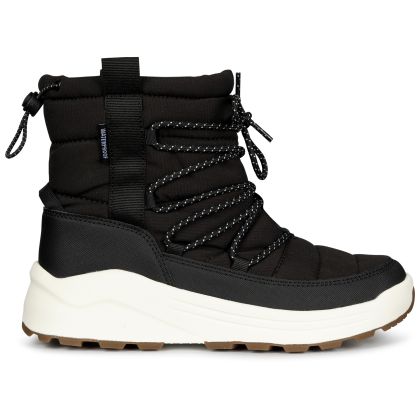 Womens Waterproof Snow Boots Indie in Black$24.99 Was $115.99
-
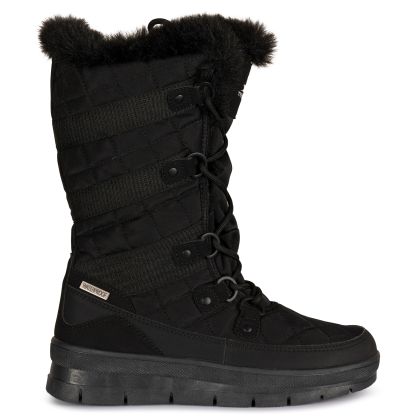 Womens Snowboot Evelyn In Black$49.99 Was $125.99
-
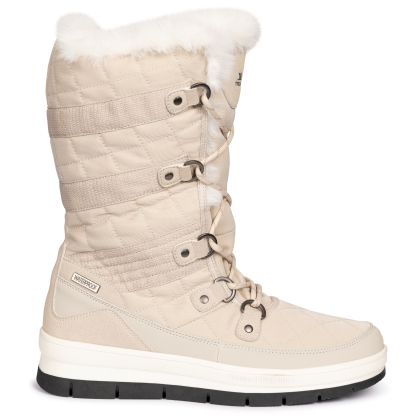 Womens Snowboot Evelyn In Stone$49.99 Was $125.99
-
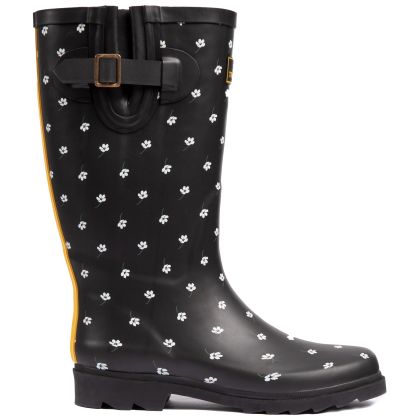 Womens Printed Wellies Samira in Camellia$19.99 Was $50.99
-
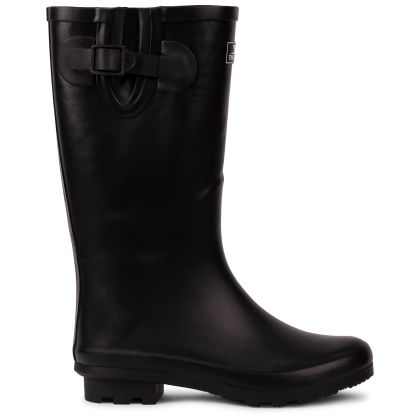 Womens Welly Boots Damon in Black$22.99 Was $50.99
-
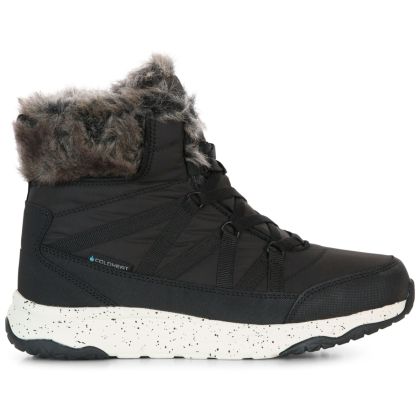 Womens Winter Boots Waterproof Insulated Kenna in Black$48.99 Was $147.99
-
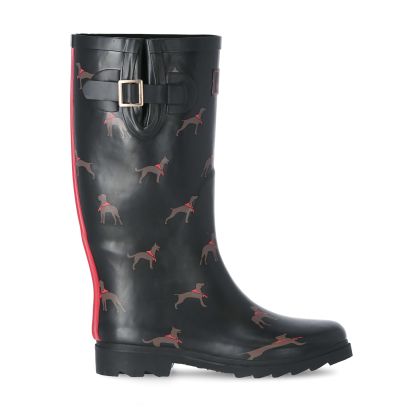 Womens Printed Wellies in Black$38.99 Was $68.99
-
 Womens Insulated Waterproof Snow Boots Stavra II in Grey$24.99 Was $84.99
-
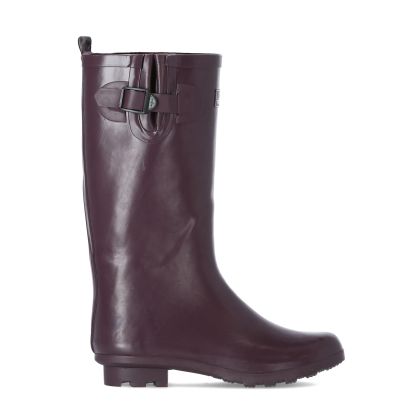 Womens Waterproof Wellies Damon in Burgundy$22.99 Was $68.99


How to Pick the Best Womens Winter Boots
Winter can mean soaked pavements one day and frozen paths the next, so footwear needs to cope with more than low temperatures. Womens winter boots include insulated snow styles for colder conditions, waterproof boots for wet days and lighter designs suited to regular journeys around town. The ideal pair should provide secure footing and comfortable protection without being unnecessarily heavy or warm for the conditions. Considering the weather, walking distance and amount of time spent outside makes it easier to find winter footwear that fits naturally into your winter wardrobe.
Boot height, fastening and construction can make a noticeable difference to where footwear works best. Some styles are intended for deep snow and colder temperatures, while others provide a practical option for daily wear throughout the colder months.
- Insulated Snow Boots: Built for lower temperatures, snow boots combine substantial linings with protective uppers. Taller shafts can also stop snow entering from above during heavy snow.
- Waterproof Walking Boots: These provide support for longer walks while helping protect the feet from wet grass, muddy footpaths and winter rain.
- Chelsea Boots: A Chelsea boot offers a simpler shape for commuting and everyday wear. Winter versions may add sturdier soles or warmer linings while retaining the familiar pull-on construction.
- Lace-Up Boots: Adjustable laces allow the fit to be altered around the foot and ankle, making this style useful when different sock thicknesses are worn.
- Ankle and Knee High Boots: Ankle boots provide lighter everyday coverage, while knee high boots extend protection further up the leg when greater coverage is preferred.
This variety means women's boots can serve very different winter situations, from everyday journeys to colder outdoor trips.
Materials and How They Work
The materials used across the upper, lining and outsole affect how boots feel and perform. Winter footwear may need to resist moisture, retain heat or remain breathable depending on the conditions in which it is worn.
- Leather: Leather creates a structured and durable upper that can provide support through regular wear. It requires appropriate care to maintain its condition.
- Suede: Suede offers a softer, textured finish but needs suitable protection and care when worn in wet winter weather.
- Synthetic Materials: Synthetic uppers such as nylon can be lightweight, quick drying and easier to clean after exposure to moisture.
- Waterproof Membranes: Breathable waterproof membranes can help prevent outside moisture reaching the feet while allowing heat and moisture generated inside to escape.
- Thermal Linings: Insulated linings retain warmth around the foot. Winter footwear can contain different amounts of insulation depending on the temperatures for which it is intended.
Using the appropriate combination of materials gives boots the properties needed for their setting, rather than making every winter style equally heavy or insulated.
Useful features depend on how frequently the boots will encounter rain, snow and cold ground. Comfort over the intended walking distance should remain part of the decision alongside weather protection.
- Seam-sealed construction strengthens waterproof protection around vulnerable joins.
- Defined outsole tread provides better grip across slippery winter surfaces.
- Taller boot shafts can prevent snow entering around the top of the footwear.
- Breathable membranes are useful for active walking where heat can build inside the boot.
- Insulated linings provide additional warmth during colder conditions.
- A secure heel helps prevent excessive movement inside the footwear.
- Enough toe room allows warm socks to be worn without compressing the foot.
- Adjustable laces provide greater control over fit than fixed openings.
- Wide-fit options can provide additional space for different foot shapes.
These features allow winter boots to address the particular challenges of wet, cold or slippery conditions while remaining comfortable for the way they will actually be worn.
The footwear needed for a day in town can be considerably different from a pair intended for snowy countryside. Think about how much walking is involved and which winter conditions the boots will regularly encounter.
- Commuting: A waterproof Chelsea boot or supportive ankle style can provide practical coverage for wet pavements without the bulk of a snow boot.
- Everyday walking: Lighter winter boots with comfortable linings and sturdy soles can provide a good balance for all day wear.
- Countryside walks: Look for waterproof protection, supportive construction and reliable tread for muddy or uneven footpaths.
- Snowy outings: Insulated snow boots provide extra warmth, while a higher shaft offers useful protection when snow becomes deeper.
- Colder temperatures: Warm boots with suitable insulation reduce heat loss when you will be outside for extended periods.
- Active winter days: Breathable waterproof footwear can be preferable to heavily insulated boots, particularly when sustained movement generates additional heat.
Winter boot suited to the setting can provide the necessary protection without compromising comfort through excessive weight, warmth or bulk.
-
Can you wear hiking boots in snow instead of winter boots?
- Hiking boots can work in light snow if they provide waterproof protection, reliable grip and enough room for suitable winter socks. They may be a practical choice for active walking because supportive construction and breathable membranes can help with longer distances. However, ordinary hiking boots may lack the insulation and higher coverage needed for deep snow or prolonged exposure to very low temperatures, where insulated snow boots are usually more suitable.
-
Are insulated boots necessary for winter?
- Not for every winter day. Insulated boots are most useful in colder temperatures, snow or situations where you will spend a long time outside without continuous movement. For everyday use in milder UK conditions, lighter waterproof boots may provide greater comfort and reduce overheating. The supplied guidance notes that winter footwear can contain around 100g to 400g of insulation, so the required level depends on climate, activity and duration outdoors.
