We value your privacy. We use Cookies to improve your website experience. We also use third-party cookies for marketing purposes.
Cookies are used for ads personalisation. For more info, visit our Privacy Policy.


-
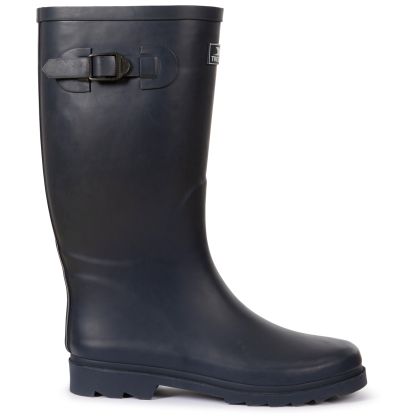 Mens Welly Boots Recon X in Navy$17.99 Was $53.99
-
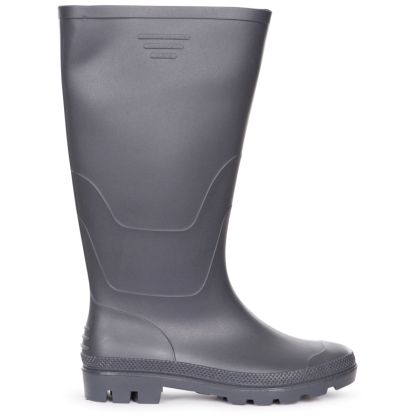 Mens Knee Length Welly Boots Beck In Navy$33.99 Was $66.99
-
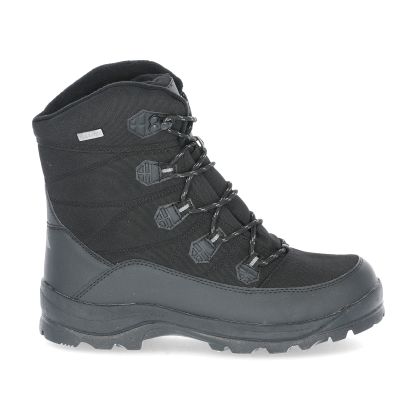 Men's Snow Boots Zotos In Black$37.99 Was $112.99
-
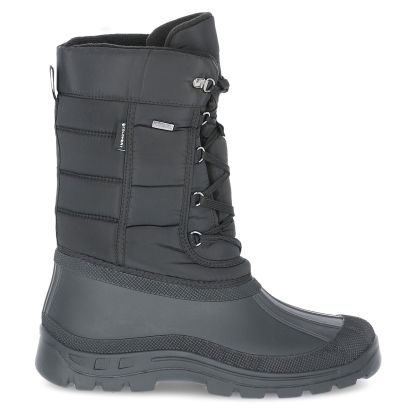 Mens Snow Boots Straiton II in Black$29.99 Was $89.99
-
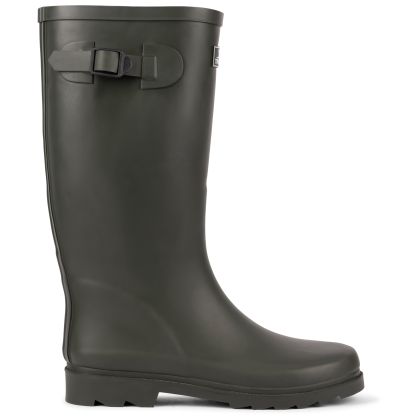 Men's Wellies Recon X In Khaki$19.99 Was $70.99
-
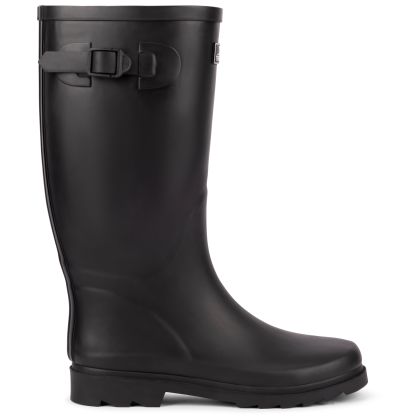 Men's Wellies Recon X In Black$22.99 Was $70.99


How to Choose the Right Mens Winter Boots
Winter footwear needs to do more than simply cover the feet when temperatures fall. Mens winter boots can provide insulation for cold days, dependable footing on wintry ground and protection when snow or moisture is present. The collection ranges from practical urban designs to rugged snow boots and supportive hybrids suited to outdoor routes. The intended setting matters: boots for daily journeys may prioritise comfort and easy wear, while pairs used in harsher conditions need stronger insulation and more substantial traction.
Men's boots vary in shape and construction because winter conditions place different demands on footwear. Identifying where the boots will be used most often can narrow down the level of warmth, support and coverage required.
- Snow Boots: Built for harsher cold, snow boots provide substantial insulation and are particularly useful when spending extended periods in wintry conditions.
- Insulated Chelsea Boots: These retain the familiar pull-on shape while adding thermal linings and robust rubber outsoles for colder months.
- Winter Hiking Boots: Hiking-inspired designs combine support for outdoor terrain with cold-weather features, making them useful for winter walks and trails.
- Hybrid Boots: These bring together the supportive construction of hiking footwear and the warmth associated with snow boots.
- Zip-Front Winter Boots: A front zip provides convenient access, making this style practical when boots need to be put on and removed frequently.
This range provides options for everyday settings as well as more demanding outdoor conditions without requiring every pair to be built for extreme cold.
Materials and How They Work
Different parts of a winter boot have separate responsibilities, from retaining warmth inside to maintaining useful contact with cold ground. Looking at the complete construction provides a clearer picture of how the footwear is intended to perform.
- Insulating Materials: Winter boots may contain around 200g to 400g of insulation to provide warmth in colder conditions.
- Thermal-Reflective Linings: These linings are designed to reflect body heat towards the feet, helping reduce heat loss inside the boot.
- Waterproof Materials: Protective materials provide a barrier against moisture and snow reaching the interior.
- Cold-Weather Rubber: Rubber compounds designed for low temperatures can remain flexible in sub-zero conditions, supporting outsole performance when ordinary materials may become harder.
The combination of insulation, waterproof protection and suitable outsole materials determines how effectively boots cope with demanding winter environments.
Individual features can reveal whether boots are intended for casual winter use or more demanding conditions. Focus on the elements that directly affect warmth, grip and protection.
- Deep multi-directional outsole lugs can improve traction on snow and icy surfaces.
- Cold-weather rubber remains flexible when temperatures fall below freezing.
- Waterproof materials provide additional protection against snow and moisture.
- Thermal linings help retain body heat around the feet.
- Insulation provides greater protection when boots are worn for prolonged periods in the cold.
- Supportive construction can make winter hiking boots more suitable for uneven outdoor ground.
- Robust outsoles provide a durable base for repeated winter use.
Together, these features create footwear capable of providing warmth and practical protection while dealing with the surfaces commonly encountered during winter.
The environment in which the boots will be worn should determine how specialised they need to be. Everyday use, snowy ground and winter trails each place a different emphasis on construction.
- Everyday wear: Casual insulated boots provide warmth without requiring the heavier build associated with severe winter conditions.
- Commuting: Easy-access designs such as zip-front or Chelsea boots can be practical when moving regularly between indoor and outdoor environments.
- Winter walking: Look for a supportive sole, dependable traction and enough insulation for the expected temperature.
- Hiking: Winter hiking boots provide the agility associated with hiking footwear while incorporating protection intended for colder conditions.
- Snow: More heavily insulated snow boots are better suited to prolonged exposure and harsher weather.
- Icy ground: Outsoles with deep multi-directional lugs and cold-weather rubber provide the most relevant features for maintaining grip.
Selecting footwear around the terrain and level of exposure provides a more practical balance of warmth, mobility and traction.
-
What type of sole gives the best grip on snow and ice?
- Look for a rubber outsole with deep, multi-directional lugs, as the tread provides several contact edges for improved traction on snow and slippery surfaces. Rubber compounds intended for cold weather are also useful because they remain flexible at sub-zero temperatures. Some specialist outsole technologies are designed to improve grip on polished ice, although care is still necessary because no boot can completely remove the risk of slipping.
-
Are winter boots waterproof?
- Not every winter boot is automatically waterproof. Some styles concentrate mainly on insulation, while others use waterproof materials to provide additional protection from snow and moisture. If boots will regularly be worn in wet snow, slush or other damp conditions, check the individual product specification for waterproof protection rather than assuming that all insulated winter footwear provides it.
