We value your privacy. We use Cookies to improve your website experience. We also use third-party cookies for marketing purposes.
Cookies are used for ads personalisation. For more info, visit our Privacy Policy.


-
 Womens Knitted Mock Neck Top Lizanna in Grey Marl$12.99 Was $41.99
-
 DLXDLX Mens Active Top Charlie in Blue Marl$17.99 Was $17.99
-
 DLXDLX Mens Antibacterial Top Charlie in Dark Grey Marl$19.99 Was $48.99
-
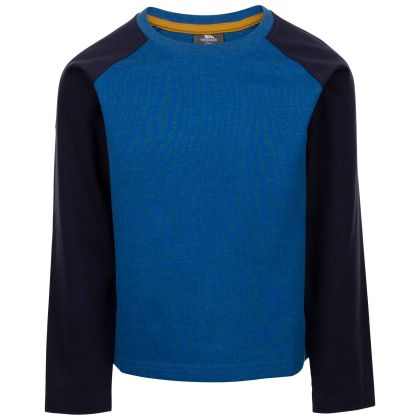 Boys Casual Top Colley in Blue$3.99 Was $17.99
-
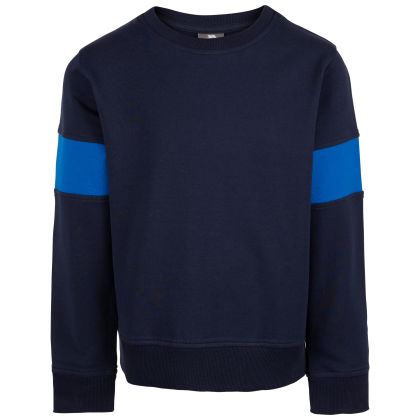 Boys Long Sleeve Top Antro in Navy$4.99 Was $26.99
-
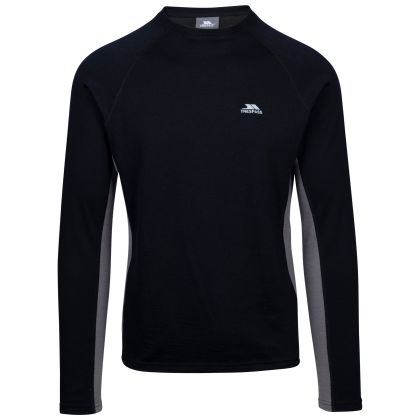 Unisex Base Layer Top Ghazi in Black$28.99 Was $94.99
-
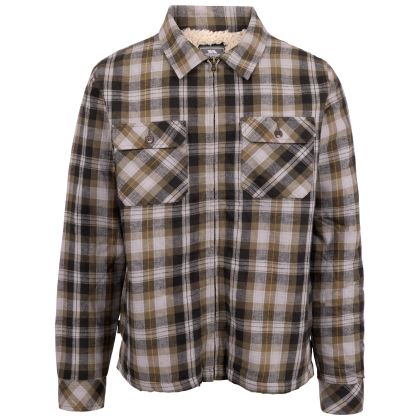 Mens Sherpa Lined Shirt Danehill in Dark Vine Check$29.99 Was $72.99
-
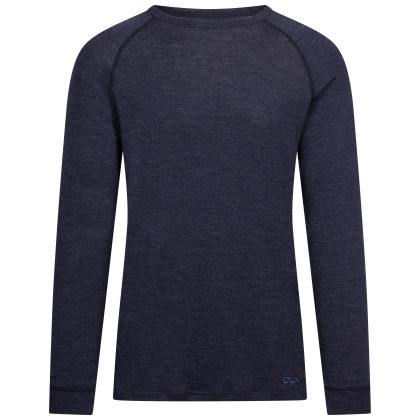 DLXDLX Unisex Merino Wool Base Layer Set Demian in Navy Marl$52.99 Was $131.99
-
 Womens Active Top Pelina Zip in Rose Tone$14.99 Was $47.99
-
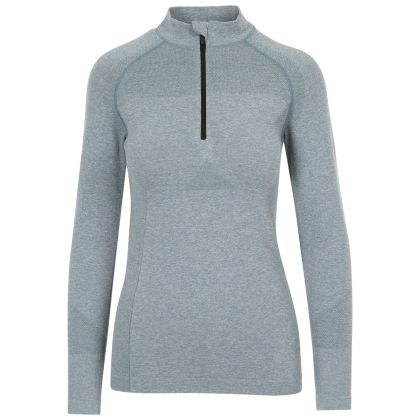 Womens Active Top Pelina Zip in Teal Mist$14.99 Was $47.99
-
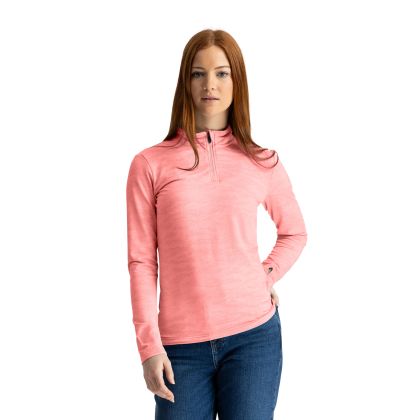 Womens Active Top Livia in Pink Shell$14.99 Was $52.99
-
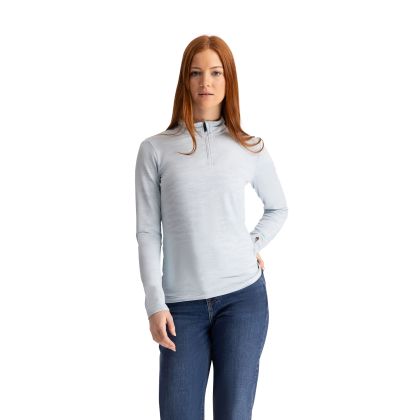 Womens Active Top Livia in Seafoam$14.99 Was $52.99
-
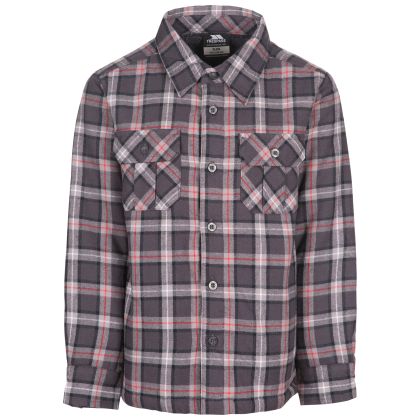 Kids Gingham Checked Shirt Average Dark Grey Check$12.99 Was $61.99
-
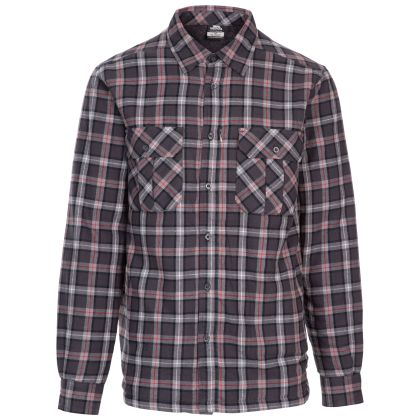 Mens Fleece Lined Checked Shirt in Dark Grey Check Rapeseed$44.99 Was $89.99
-
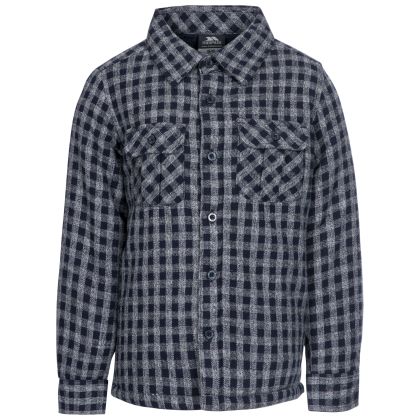 Average Kids Checked Cotton Shirt in Navy$7.99 Was $61.99
-
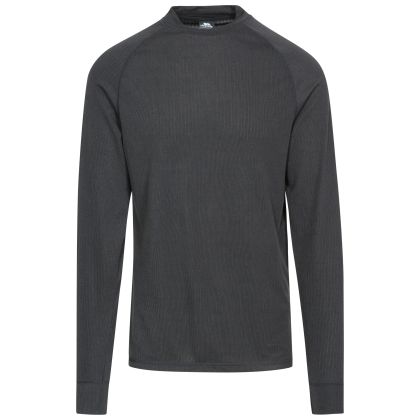 Adults Long Sleeve Thermal Top in Black FLEX360$24.99 Was $45.99


Guide to Buying Winter Tops
The layers closest to your body can make a considerable difference to comfort during colder months. Winter tops cover several roles, from close-fitting thermal pieces that help retain heat to warmer mid-layers worn beneath outerwear. Fabric weight, neckline and construction influence how each top performs, particularly when walking or spending extended periods outside. Merino wool offers strong warmth for its weight, while waffle-knit fabrics can trap warm air within their textured construction. Thin thermal layers are another useful option when extra insulation is needed without adding excessive volume.
Different tops can occupy different positions within a winter layering system. Some sit directly against the skin, while others provide additional insulation over a lighter first layer.
- Thermal Tops: Close-fitting thermal tops provide an insulating layer and can be worn beneath fleeces, jumpers or jackets when temperatures fall.
- Roll-Neck Tops: The higher neckline extends coverage around the neck, reducing the amount of exposed skin without requiring another bulky layer.
- Waffle-Knit Tops: Their textured construction creates small pockets that help trap body heat, making them useful for relaxed cold-weather wear.
- Long-Sleeve Base Layers: Lightweight base layers sit close to the body and work particularly well when several garments need to be worn together.
- Fleece-Lined Tops: A warmer inner surface makes these tops suitable for colder casual outdoor use when greater insulation is needed.
These options allow winter tops to provide anything from discreet first-layer warmth to a more substantial insulating layer for cold days. surfer-guidelines-winter tops-0…
Materials and How They Work
Material affects more than how warm a top initially feels. Weight, breathability and the amount of bulk it adds beneath other clothing can all influence winter comfort.
- Merino Wool: Merino wool provides an excellent warmth-to-weight ratio, making it useful where insulation is needed without a thick garment.
- Cotton: Ribbed cotton can give winter tops a structured feel and comfortable finish, particularly for everyday use.
- Waffle-Knit Fabric: The raised texture can retain warm air within the fabric while maintaining a relaxed construction.
- Cashmere Blends: Cashmere-blend fabrics can provide warmth with a soft handle and are used in lighter layering pieces.
- Fleece: Fleece-lined tops offer a more substantial level of insulation for colder conditions and casual outdoor activities.
Selecting materials according to their role makes it possible to build warmth gradually rather than relying on one particularly thick top.
The construction of a winter top determines how comfortably it works beneath other garments. Useful features should provide coverage and insulation without making the overall clothing system cumbersome.
- Long sleeves provide continuous coverage along the arms during colder weather.
- A close fit helps first layers sit comfortably underneath heavier clothing.
- Higher necklines extend warmth around an area that may otherwise remain exposed.
- Lightweight construction reduces bulk when several layers are worn together.
- Soft inner fabrics improve comfort when the top is worn directly against the skin.
- Stretch allows the shoulders and arms to move freely during walking and outdoor activity.
- Flat or low-profile seams can feel more comfortable beneath fitted outer layers.
- Breathable fabrics are useful when activity generates additional body heat.
- Textured knit construction can help retain warm air within the garment.
- A longer body can provide better overlap with trousers when bending or moving.
Together, these details allow winter tops to sit comfortably within a layered outfit while providing useful coverage throughout the season.
How much warmth a top needs to provide depends partly on what will be worn over it. The same garment can perform differently as a standalone piece in autumn or as one component of a winter layering system.
- Winter walking: A lightweight thermal or merino top provides warmth without adding unnecessary bulk beneath a fleece and outer jacket.
- Hiking: Prioritise a breathable first layer that allows comfortable movement and can sit neatly beneath additional technical clothing.
- Cold casual days: A fleece-lined top provides more immediate insulation when spending time outdoors at a lower activity level.
- Everyday layering: Ribbed long-sleeve tops can fit easily beneath knitwear, coats and jackets.
- Milder autumn weather: A waffle-knit top can provide moderate warmth without requiring a full cold-weather layering system.
- Particularly cold conditions: Combine a thin thermal top with an insulating mid-layer rather than depending entirely on a single heavy garment.
The most practical winter tops provide the level of insulation needed for the activity while leaving enough flexibility to add or remove other layers.
-
What is the difference between a thermal top and a base layer?
- A thermal top is primarily intended to add insulation and help retain body heat. A base layer describes the garment's position in a layering system: it is worn closest to the skin beneath other clothing. A base layer can therefore be thermal, but not every base layer needs to provide heavy insulation. For active winter use, a lightweight and breathable base layer may be preferable because it can provide warmth without excessive bulk beneath additional layers.
-
What tops are best for winter walking and hiking?
- Lightweight thermal or merino wool tops are useful choices because they can provide warmth without adding substantial weight beneath a fleece and jacket. Merino wool is specifically noted for its strong warmth-to-weight ratio, while thin thermal layers can add insulation without heavy volume. For more active hiking, prioritise a comfortable fit and breathable fabric so the top continues to work well as your body temperature rises.
