We value your privacy. We use Cookies to improve your website experience. We also use third-party cookies for marketing purposes.
Cookies are used for ads personalisation. For more info, visit our Privacy Policy.


-
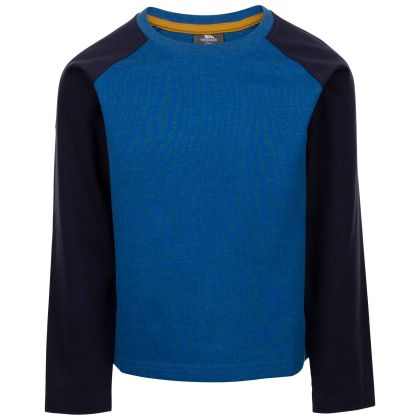 Boys Casual Top Colley in Blue$3.99 Was $17.99
-
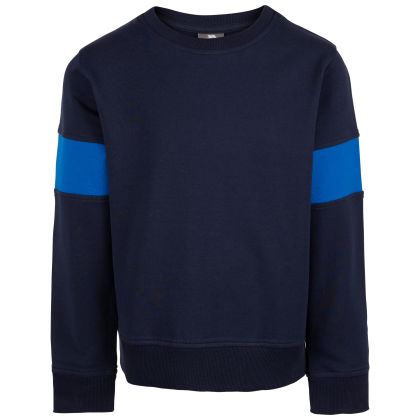 Boys Long Sleeve Top Antro in Navy$4.99 Was $26.99
-
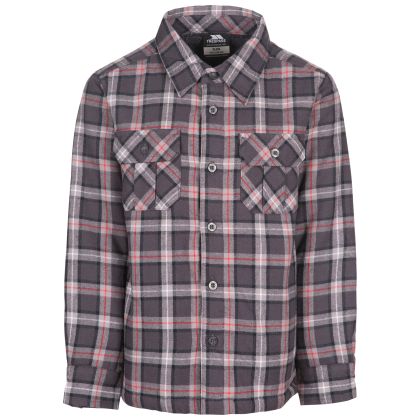 Kids Gingham Checked Shirt Average Dark Grey Check$12.99 Was $61.99
-
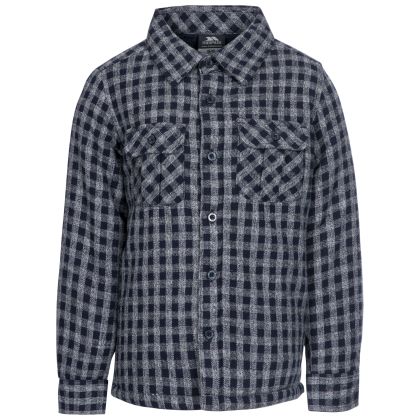 Average Kids Checked Cotton Shirt in Navy$7.99 Was $61.99


Guide to Buying Kids Winter Tops
Getting children dressed for colder days is easier when their clothes can accommodate both active play and quieter time indoors. Kids winter tops provide several ways to add warmth, including knitted jumpers, soft fleeces and lightweight thermals. A cosy jumper might be enough for a day at home, whereas outdoor activities can require breathable fabrics that manage moisture as children move. Comfort is particularly important, as rough seams or scratchy materials can make clothing unpleasant to wear. A practical winter wardrobe includes tops that children can move in comfortably and combine with other layers throughout the season.
Children's winter clothing includes everyday knitwear as well as tops intended for outdoor activities. Each provides a different amount of coverage, insulation or convenience.
- Cable-Knit Jumpers: Their textured knitted construction provides warmth and makes them suitable for everyday winter clothing.
- Button-Up Cardigans: Cardigans are useful when children need to add warmth without pulling another garment over their heads.
- Fleece Pullovers: Soft and lightweight, these provide insulation while remaining easy for children to put on and remove independently.
- Thermal Long-Sleeve Tops: Thin insulating tops fit beneath other clothing, providing warmth without creating uncomfortable bulk.
- Turtleneck Tops: A raised neckline covers the neck, offering extra protection without always requiring a separate scarf.
These styles provide useful options for school, family outings and relaxed days indoors.
Materials and How They Work
Fabric selection is particularly important for children because warmth should not come at the expense of softness or breathability.
- Merino Wool: Merino provides natural insulation while managing moisture. Its soft fibres can feel comfortable against the skin.
- Polyester Fleece: Fleece retains warm air, dries quickly and is generally easy to machine wash.
- Synthetic Thermal Blends: These combine insulation with moisture management, making them practical for active outdoor use.
- Organic Cotton: Breathable and comfortable, organic cotton works well for indoor clothing and everyday base layers.
- Brushed Cotton: Its raised surface provides a softer, warmer feel than ordinary lightweight cotton.
For outdoor activities, merino wool and synthetic fabrics are particularly useful because they manage moisture more effectively than thick cotton worn alone.
Practical winter tops should feel comfortable against the skin and remain manageable throughout a child's normal routine.
- Soft inner surfaces reduce irritation during prolonged wear.
- Stretch fabrics allow children to bend, reach and play freely.
- Lightweight construction makes additional clothing easier to wear.
- Breathable fabrics help prevent excess moisture accumulating during activity.
- Comfortable neck openings make tops easier to pull over the head.
- Full-length sleeves provide coverage without requiring bulky additional garments.
- Machine-washable materials make frequently worn clothing easier to maintain.
- Quick-drying fabrics are useful after active outdoor activities.
- Button fastenings allow cardigans to be opened when children become warm.
- Smooth seams reduce uncomfortable rubbing beneath coats or fleeces.
These details make tops easier for children to wear throughout the day while providing practical warmth and comfort.
The most suitable top depends on where children spend their time and how frequently their activity changes.
- School: Soft knitted jumpers or cardigans provide warmth over everyday clothing and can be removed when classrooms become warmer.
- Outdoor games: Breathable thermal tops help manage perspiration beneath an insulating layer.
- Family walks: A fleece pullover provides lightweight warmth without making movement difficult.
- Time at home: Cotton tops or comfortable knitwear provide a softer option when technical insulation is unnecessary.
- Particularly cold mornings: A thermal first layer can sit beneath a jumper or fleece before an outdoor jacket is added.
- Milder afternoons: A cardigan can be opened or removed as children become warmer.
A varied selection of winter tops helps children stay comfortable through the changing activities and temperatures of an ordinary day.
-
What is the warmest material for kids winter tops?
- Merino wool is an excellent choice for warmth because its fibres provide natural insulation while remaining lightweight and breathable. Fleece is another effective option, trapping warm air without making the top particularly heavy. The best material also depends on the activity: merino and synthetic thermal blends are useful for active outdoor wear, while thicker brushed cotton can provide comfortable warmth indoors.
-
What tops should kids wear under a winter jacket?
- For colder outdoor days, a lightweight thermal top is a useful first layer because it provides insulation without adding unnecessary bulk. A fleece pullover or knitted jumper can then be added when more warmth is required. During energetic activities, breathable synthetic or merino fabrics are preferable to thick cotton because they manage moisture more effectively. Make sure the combined layers allow comfortable movement beneath the jacket.
