We value your privacy. We use Cookies to improve your website experience. We also use third-party cookies for marketing purposes.
Cookies are used for ads personalisation. For more info, visit our Privacy Policy.


-
 DLXDLX Mens Active Top Charlie in Blue Marl$17.99 Was $17.99
-
 DLXDLX Mens Antibacterial Top Charlie in Dark Grey Marl$19.99 Was $48.99
-
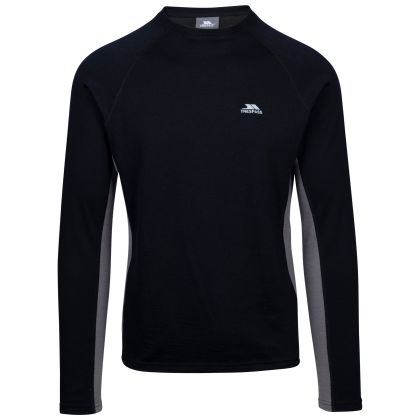 Unisex Base Layer Top Ghazi in Black$28.99 Was $94.99
-
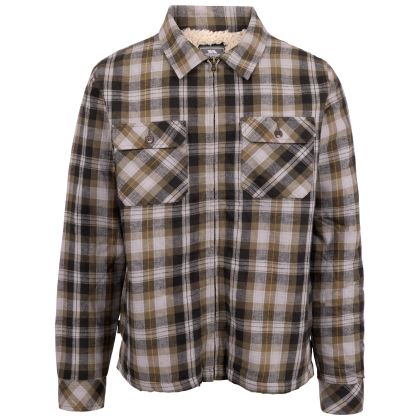 Mens Sherpa Lined Shirt Danehill in Dark Vine Check$29.99 Was $72.99
-
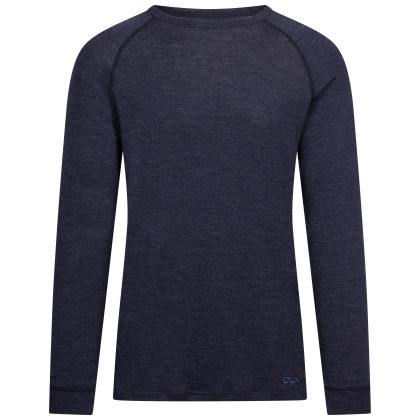 DLXDLX Unisex Merino Wool Base Layer Set Demian in Navy Marl$52.99 Was $131.99
-
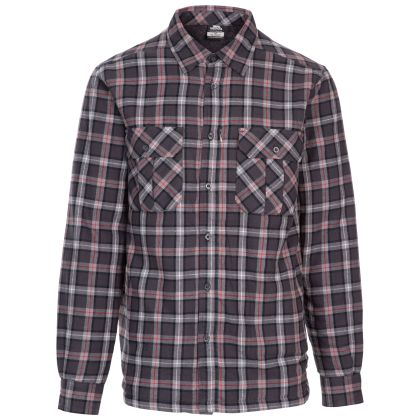 Mens Fleece Lined Checked Shirt in Dark Grey Check Rapeseed$44.99 Was $89.99
-
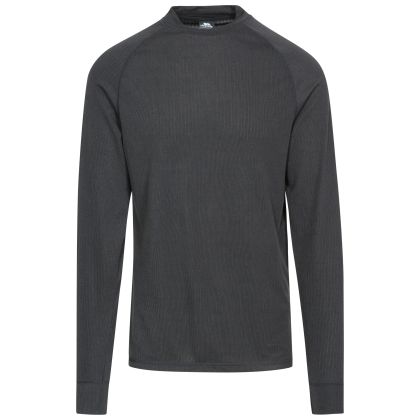 Adults Long Sleeve Thermal Top in Black FLEX360$24.99 Was $45.99


How to Choose the Right Mens Winter Tops
A winter wardrobe needs more than heavy jumpers and thick coats. The clothing worn underneath can influence how comfortable you feel throughout the day, especially when moving between heated buildings and colder outdoor environments. Mens winter tops include flannel shirts, knitted pullovers, thermal layers and casual long-sleeve styles, each serving a different purpose. A quarter-zip pullover can offer convenient temperature adjustment, while a merino wool top provides lightweight insulation for outdoor activities. Fit, fabric and versatility are worth considering when selecting tops that can be worn for work, casual occasions and winter adventures.
Winter tops vary in appearance and construction, allowing different styles to work across everyday outfits and outdoor clothing. The following options provide distinct ways to build a practical cold-weather wardrobe.
- Flannel Shirts: Flannel shirts provide a comfortable casual option that can be worn over a T-shirt or beneath a jacket.
- Quarter-Zip Pullovers: An adjustable neckline makes quarter-zip tops convenient when you need to release excess heat without removing the garment.
- Crewneck Jumpers: Their straightforward neckline makes them easy to wear with shirts, jeans or casual trousers.
- V-Neck Jumpers: These work particularly well over collared shirts, offering a slightly smarter alternative for work and social occasions.
- Cable-Knit Jumpers: Textured knitting creates a traditional winter style and provides a substantial layer for colder days.
Together, these options give men a selection of tops suited to relaxed weekends, everyday dressing and occasions requiring a more structured appearance.
Materials and How They Work
Fabric influences the weight, warmth and overall feel of a winter top. Different fibres also affect how comfortably a garment sits beneath other clothing.
- Merino Wool: Merino provides natural insulation while remaining relatively lightweight and breathable, making it particularly useful for layering.
- Cashmere: Cashmere offers softness and warmth without requiring a particularly heavy knitted garment.
- Wool: Wool is commonly used in traditional winter knitwear and provides natural insulation for colder temperatures.
- Polyester Fleece: Fleece is lightweight and practical for winter clothing, offering an insulating option for casual and outdoor wear.
- Cotton: Cotton is often used in casual shirts and T-shirts, providing a comfortable option for everyday outfits.
The fabric should reflect how the top will be worn, with lighter breathable materials useful for active days and warmer knits suited to less strenuous occasions.
Construction details can influence how versatile a winter top is throughout the season. The most useful features are those that support comfort, movement and everyday practicality.
- Adjustable quarter-zip necklines allow additional ventilation when temperatures rise.
- Close-fitting thermal construction reduces bulk beneath other garments.
- Long sleeves provide coverage for colder conditions.
- Breathable fabrics help maintain comfort during outdoor activity.
- Moisture-wicking thermal materials move perspiration away from the skin.
- Ribbed cuffs help sleeves remain comfortably positioned around the wrists.
- Soft inner material improve comfort during prolonged wear.
- Flexible fabrics allow natural movement through the shoulders and arms.
- Lightweight construction makes tops easier to combine with other clothing.
These details give winter tops greater versatility, allowing them to remain comfortable across indoor settings and outdoor activities.
The purpose of the top can determine whether a casual shirt, technical layer or knitted pullover is the most practical option.
- Office wear: A V-neck or crewneck jumper can be worn with a collared shirt for a smart-casual appearance.
- Relaxed weekends: Flannel shirts provide an easy option over a plain T-shirt, particularly when the temperature is cool rather than severely cold.
- Countryside walks: A breathable merino top can provide lightweight insulation beneath suitable outerwear.
- Travel: A quarter-zip pullover allows convenient temperature adjustment when moving between different environments.
- Cold outdoor adventures: A moisture-wicking thermal top works well as the first part of a three-layer clothing system.
- Casual evenings: A cable-knit jumper provides a warmer, more substantial alternative to a lightweight shirt.
These different styles allow men to maintain comfortable winter outfits for daily routines, social occasions and outdoor pursuits.
-
Are long sleeve tops good for layering in winter?
- Yes, long-sleeve tops are useful because they provide additional coverage across the arms and torso without necessarily adding substantial bulk. A fitted thermal top can sit beneath a jumper or fleece, while a relaxed long-sleeve shirt may work better as a casual outer layer indoors. For colder outdoor conditions, combining a breathable first layer with an insulating garment and protective jacket provides a practical approach to winter dressing.
-
What is the warmest material for a winter top?
- Merino wool and cashmere are excellent options when warmth without excessive weight is important. Merino wool also offers breathability, making it particularly suitable for active use or wearing beneath additional clothing. Traditional wool knitwear can provide substantial insulation, while fleece is a lightweight alternative for outdoor activities. The warmest individual top will also depend on fabric thickness and construction, rather than fibre type alone.
