We value your privacy. We use Cookies to improve your website experience. We also use third-party cookies for marketing purposes.
Cookies are used for ads personalisation. For more info, visit our Privacy Policy.


-
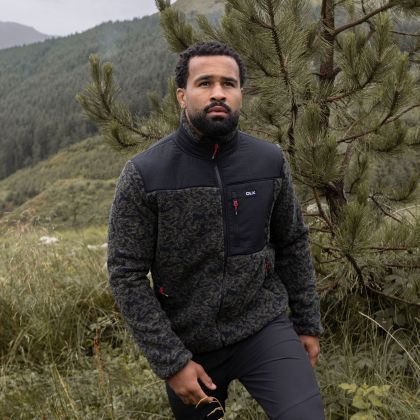 DLXDLX Mens Fleece Gordon in Camo€41.99 Was €104.99
 -
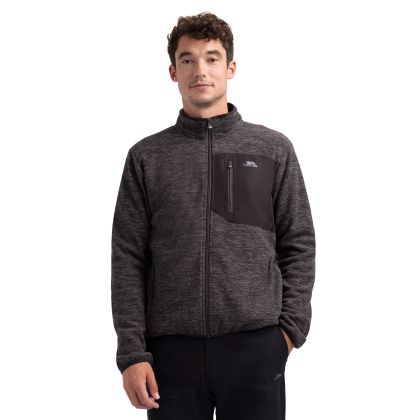
-
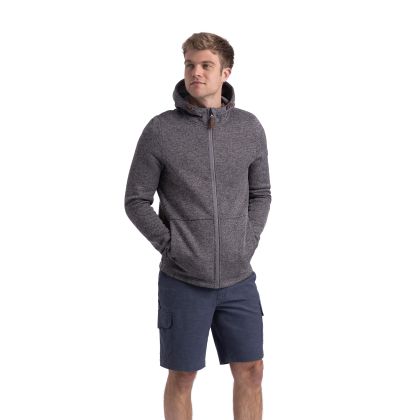
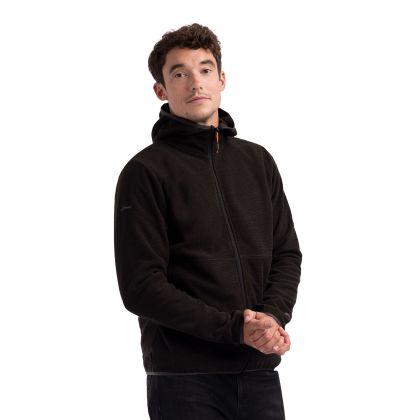 Mens Full Zip Fleece Brian in Charcoal€27.99 Was €67.99
 -
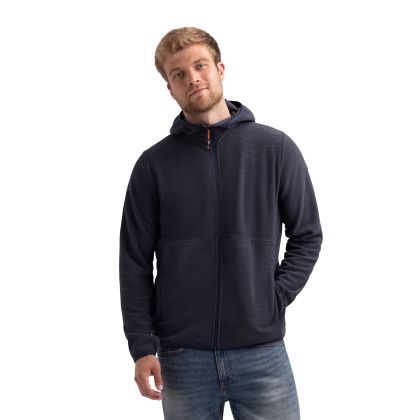 Mens Full Zip Fleece Brian in Indigo Tone€27.99 Was €67.99
 -
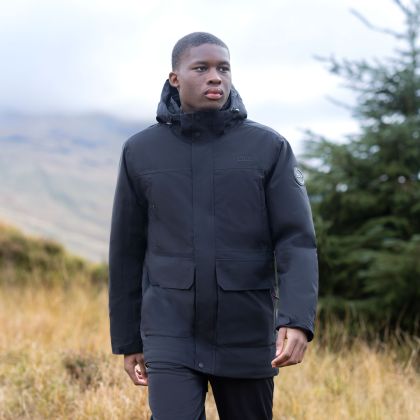
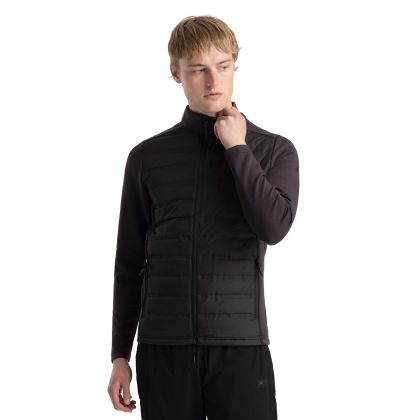
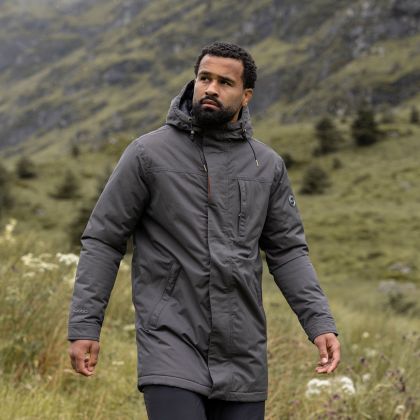 DLXDLX Mens Padded Waterproof Jacket Macleod in Charcoal€96.99 Was €240.99
 -
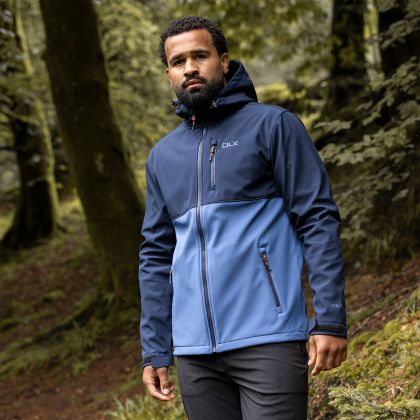 DLX
DLX -
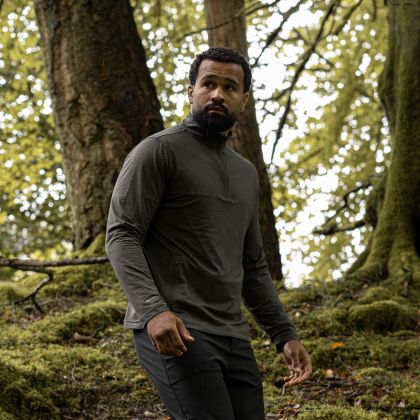 DLX
DLX -
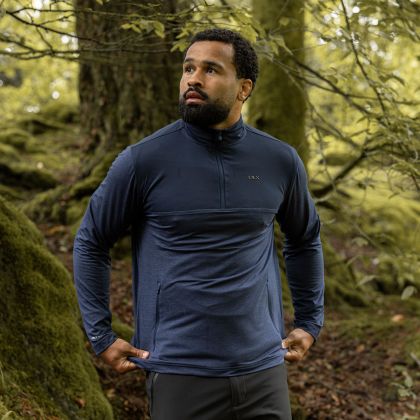 DLX
DLX -
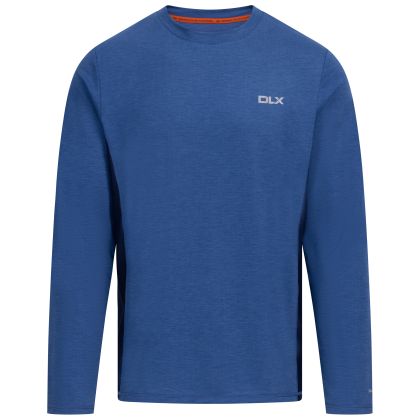 DLXDLX Mens Antibacterial Top Charlie in Indigo Marl€19.99 Was €48.99
 -

-
-
-

-

-
 DLX
DLX -

-
-

-
-
-
-
 DLX
DLX -
 DLX
DLX -
-
-
-
-
 DLX
DLX -
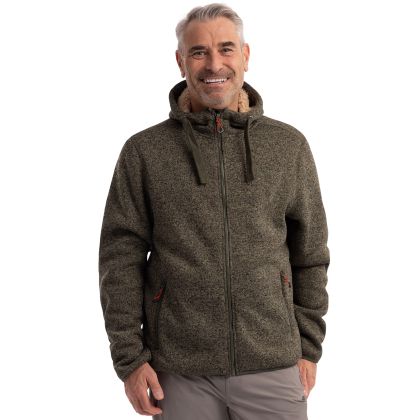 Mens Fleece Hoodie Tableypipe in Ivy Marl€71.00 Was €112.00
 -
-
-
-
-
-
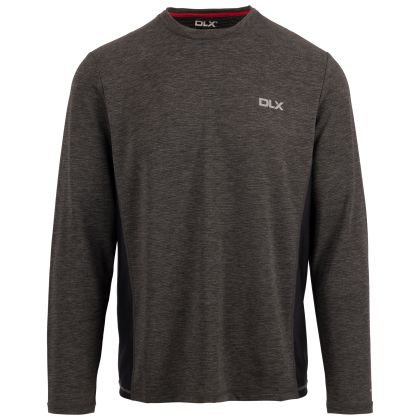 DLX
DLX -

-
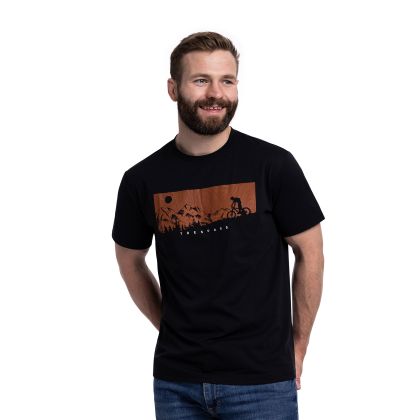
-
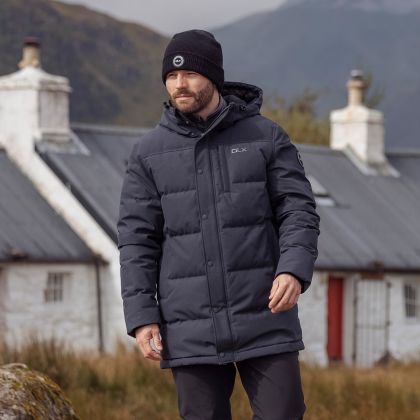 DLX
DLX -
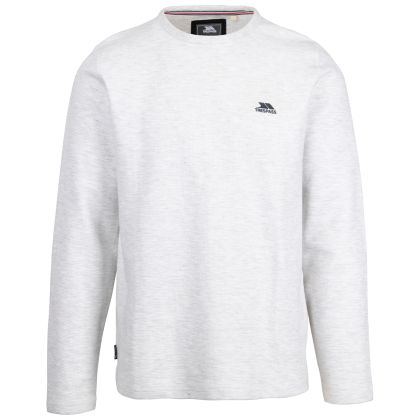
-
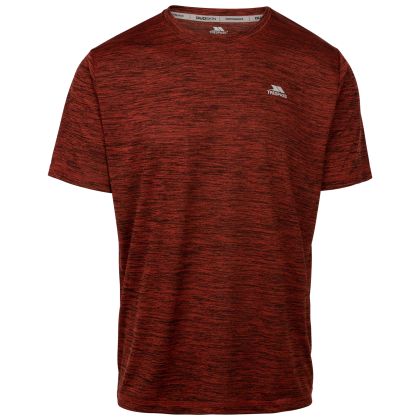
-
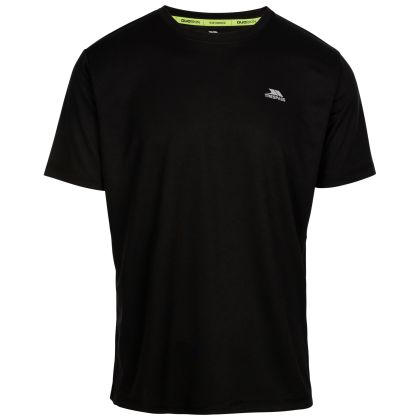
-
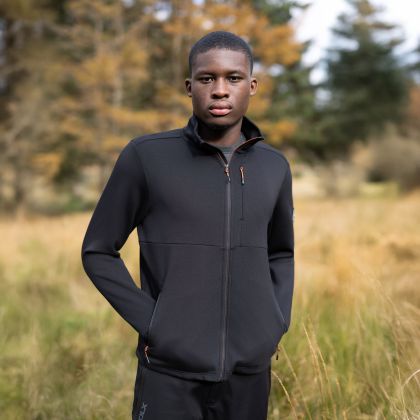 DLX
DLX -
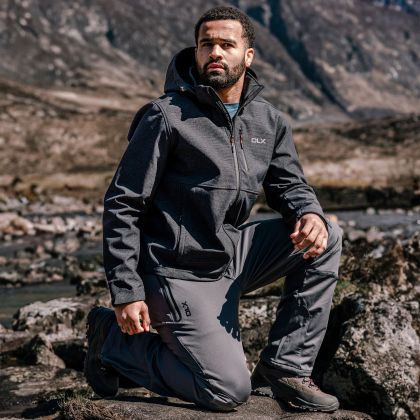 DLXDLX Mens Softshell Jacket Justin€113.00
 -
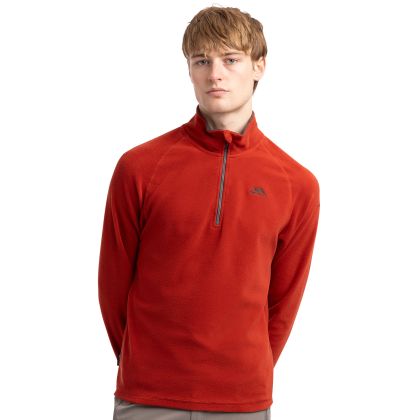
-
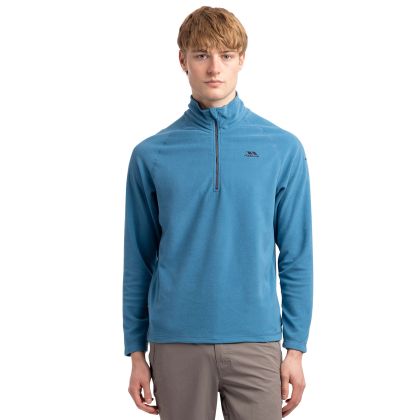
-
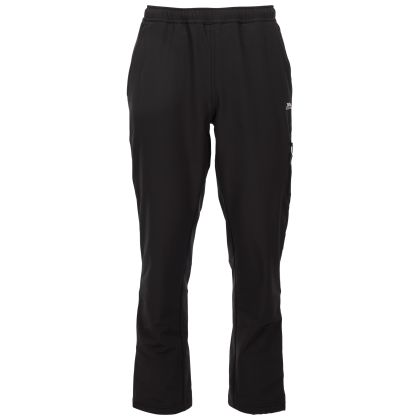 Mens Trousers Ryder Black€34.00
 -
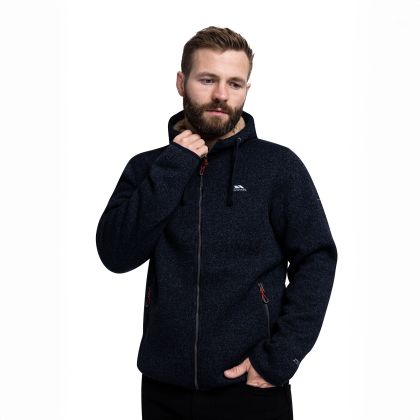 Mens Fleece Hoodie in Navy Marl Tableypipe€71.00 Was €112.00
 -
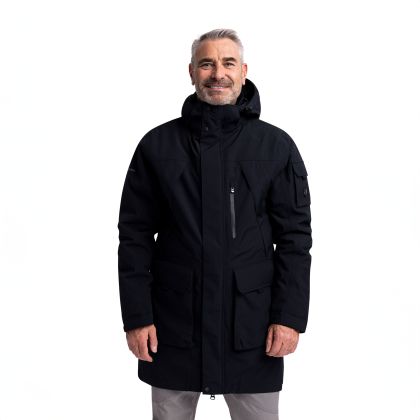


How to Choose the Right Men Autumn Clothing
Autumn is the point where a summer wardrobe starts needing more depth. Cooler evenings, damp mornings and milder afternoons favour clothes that provide warmth without feeling heavy. A useful mens autumn clothing collection can be built around textured shirts, versatile trousers, knitwear and transitional outerwear that work in several combinations. Instead of moving immediately into thick winter clothing, the new season is an opportunity to introduce lighter layers that can be adjusted throughout the day.
Men's autumn style works particularly well when a small selection of adaptable pieces can create several different autumn outfits.
- Overshirts: Wear one over a T-shirt on milder days or underneath a jacket when the temperature drops.
- Knitted jumpers: Fine knits provide everyday warmth, while a cable knit works well when colder weather arrives.
- Trousers: The textured fabric suits the season and provides an alternative to everyday denim.
- Transitional jackets: Bomber jackets, trench coats, denim jackets and biker styles provide different levels of coverage before heavier winter coats are required.
Building around pieces that can change role from one outfit to another makes a seasonal wardrobe easier to use.
Materials and How They Work
Autumn introduces heavier textures, but the fabrics still need to remain comfortable when daytime temperatures rise.
- Corduroy: A distinctive textured fabric suited to trousers, shirts and autumn outerwear.
- Merino wool: Lightweight yet warm, making it useful for knitwear that can sit comfortably beneath another layer.
- Virgin wool: Naturally breathable and temperature regulating for cooler conditions.
- Cotton twill: A durable choice for overshirts and jackets that provides more substance than lightweight summer fabrics.
- Herringbone wool: Combines warmth with a textured finish that works particularly well for smarter autumn pieces.
Mixing fabric weights rather than wearing several heavy garments together provides warmth while keeping an outfit manageable.
Why Layering Matters
Autumn temperatures can vary significantly between the start and end of the day, so adaptable layering is more useful than relying on one thick garment.
- A breathable T-shirt or shirt provides a comfortable first layer.
- An overshirt adds coverage while remaining easy to remove.
- Merino or cable knit jumpers provide extra warmth on colder days.
- Lightweight jackets protect against cool air without the bulk of winter outerwear.
Good layering gives each piece a clear purpose, allowing warmth to be increased gradually rather than creating unnecessary bulk.
When refreshing your men's autumn collection, consider how each item will combine with the rest of your wardrobe.
- Lightweight layers make temperature changes easier to manage.
- Breathable fabrics prevent warmer autumn outfits from becoming uncomfortable indoors.
- Comfortable knitwear provides warmth without requiring a heavy outer layer.
- Practical pockets add useful storage to jackets and overshirts.
- Transitional outerwear provides enough protection for chilly mornings without feeling excessively heavy.
- Robust footwear such as Chelsea, chukka or chunky boots suits wetter autumn conditions.
Investing in pieces that complement several existing clothes can create more combinations than buying a completely separate outfit for each occasion.
Autumn dressing can change considerably depending on where the day takes you.
- For work: Combine dark trousers with a shirt and fine knit, adding a trench coat when a smarter outer layer is needed.
- For relaxed weekends: Pair dark wash jeans with a T-shirt and overshirt for an outfit that can be adjusted as temperatures change.
- For colder days: Introduce a cable knit jumper beneath a bomber or other transitional jacket for additional insulation.
- For evenings out: Use textured trousers with a knitted top or shirt, then add structured outerwear to sharpen the overall look.
- For outdoor plans: Choose durable fabrics, practical footwear and layers that can be removed if activity or afternoon temperatures increase.
Thinking about when each piece will be worn makes it easier to build autumn outfits that feel appropriate for both the weather and the occasion.
-
How should you layer autumn clothing without feeling too bulky?
- Start with thinner garments and add warmth gradually. A lightweight T-shirt or shirt can form the base, followed by an overshirt, fine merino knit or similar middle layer. Finish with a lightweight jacket when conditions require it. Using breathable fabrics and avoiding several thick pieces at once keeps the outfit comfortable while still allowing you to add or remove a layer as the temperature changes.
-
Which jackets are best for changeable autumn weather?
- Transitional jackets are particularly useful because they provide coverage without the weight of winter outerwear. Bomber jackets and denim jackets suit dry, cooler days, while trench coats offer more coverage when the weather becomes unsettled. Cotton twill and canvas jackets are also durable options for regular autumn wear. Choose enough room underneath for a shirt or lightweight jumper so the jacket remains useful as the season becomes cooler.
