We value your privacy. We use Cookies to improve your website experience. We also use third-party cookies for marketing purposes.
Cookies are used for ads personalisation. For more info, visit our Privacy Policy.

-
 2 colours
 -
-
 2 colours
 -
 2 colours
 -
-
-
 3 colours
 -
 3 colours
 -
 3 colours
 -
-
 2 colours
 -
-
 2 colours
 -
-
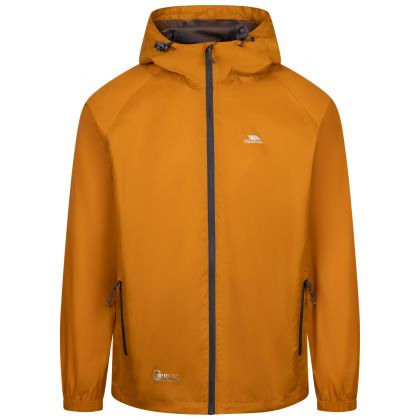 15 colours
 -
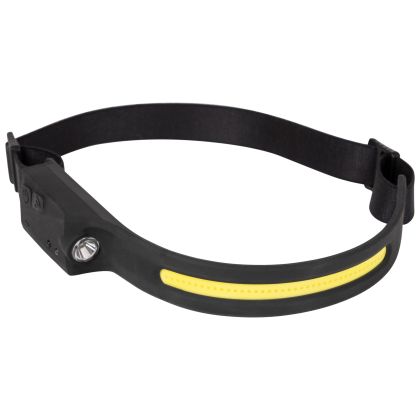
-
 7 colours
 -
 Mens Beanie Hat Stagger€10.00 Was €16.00
 -
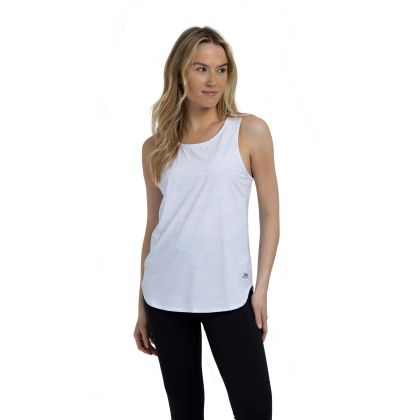 2 colours
 -
 Kids Trainers Bevin In Black€40.00
 -
 2 colours
 -

-
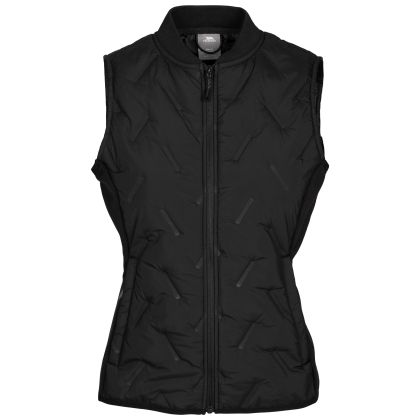 2 colours
 -
 3 colours
 -
 2 colours
 -
-
 2 colours
 -
 2 colours
 -
 3 colours
 -
 4 colours
 -
 3 colours
 -
 3 colours
 -
-
 3 colours
 -
 4 colours
 -
 4 colours
 -
 9 colours
 -
 9 colours
 -
 2 colours
 -
 2 colours
 -
-
 2 colours
 -
-
-
 15 colours
 -

-
-
 9 colours


Guide to Buying Trail Running Clothing
Trail routes demand more from your kit than a typical road run. Uneven ground, exposed hillsides, woodland paths, and rapidly changing conditions all mean your trail running clothing needs to balance comfort, durability, and protection. Instead of choosing garments for speed alone, it's worth thinking about how they cope with rough terrain, variable temperatures, and carrying essential equipment. The right combination of layers allows you to adapt as conditions change, helping you stay comfortable from the first climb to the final descent.
Every item in your trail wardrobe has a specific purpose depending on the conditions.
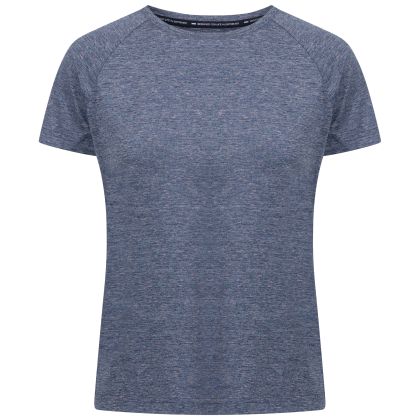
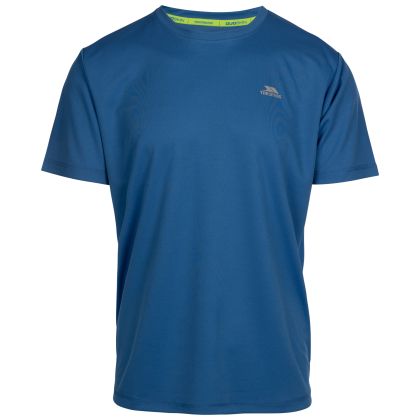
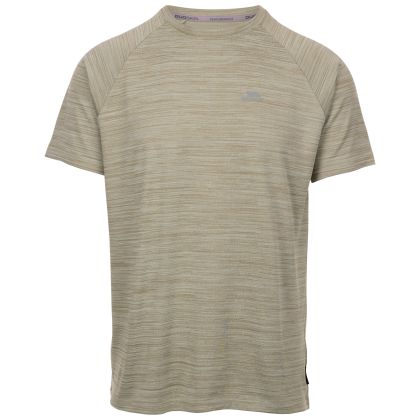
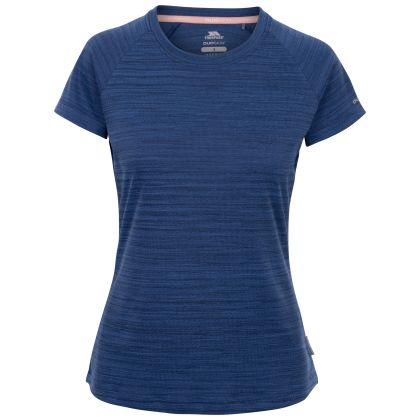
- Technical trail running tops: Lightweight fabrics with moisture management keep you comfortable on demanding climbs.
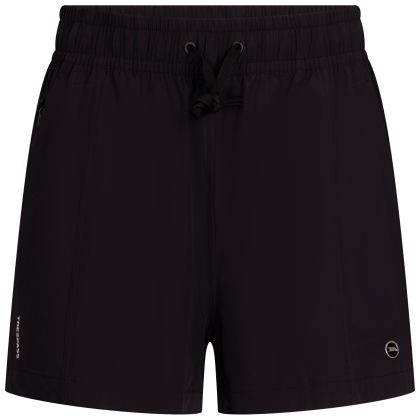
- Trail running shorts: Designed with stretch fabrics and practical pockets for warmer conditions.
- Trail running tights: Provide additional coverage and help protect your legs on cold days or overgrown paths.
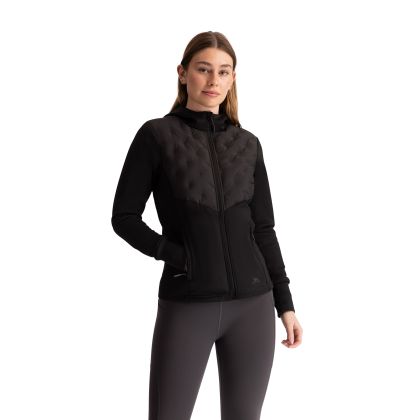
- Trail running jackets: Lightweight outer layers offering windproof or waterproof weather protection when conditions change.
- Base and mid layers: Allow you to build a flexible layering system for changing temperatures throughout the year.
Selecting clothing for the conditions rather than the distance often delivers the best overall comfort.
Materials and How They Work
The right fabrics help your trail running clothing perform across challenging environments.
- Moisture wicking synthetic fibres: Move perspiration away from the skin to prevent clamminess.
- Merino wool blends: Help regulate body temperature while naturally resisting odour.
- Abrasion resistant stretch fabric: Stands up to contact with rocks, branches, and rough terrain.
- Lightweight waterproof membranes: Provide protection from rain while remaining breathable.
- Ripstop woven materials: Improve durability without adding unnecessary weight.
Combining these materials creates reliable trail running apparel for year round adventures.
When choosing trail running clothing, focus on features that improve comfort and reliability.
- Moisture management helps keep you comfortable throughout your run.
- Flatlock seams minimise the risk of chafing over longer distances.
- Stretch materials provide a full range of movement across uneven ground.
- Secure pockets keep small essentials close at hand.
- Breathable fabrics help regulate body temperature during climbs.
- Windproof or waterproof jackets provide protection when conditions deteriorate.
- Packable layers are easy to carry when they are not needed.
- Reflective details improve visibility when running in lower light.
Selecting features that match the terrain and conditions you regularly encounter will help your trail running clothing perform more effectively, keeping you comfortable and prepared on every run.
Different environments require different clothing combinations.
- Forest trails: Durable fabrics help resist scrapes from branches while breathable layers manage effort on rolling terrain.
- Mountain routes: Carry a lightweight trail running jacket that provides reliable weather protection as conditions change with altitude.
- Open countryside: Windproof layers help reduce exposure across ridges and open paths.
- Wet and muddy trails: Quick drying clothing and trail running shorts or tights help maintain comfort after splashes and rain.
- Cold weather outings: Build a layering system using a moisture managing base layer, an insulating mid layer, and a waterproof shell that can be packed away when the weather improves.
By matching your clothing to the environment rather than using the same kit for every run, you'll be better equipped to handle changing conditions while maintaining comfort from start to finish.
-
What clothing is best for trail running in changing weather conditions?
- The best trail running clothing uses a layering system so you can adapt throughout your run. Begin with a moisture wicking base layer, add an insulating layer when temperatures are lower, and carry a lightweight waterproof or windproof jacket for unexpected weather. Packable layers are especially useful because they can be stored easily when conditions improve.
-
How do I choose the best trail running clothing for my running environment?
- Start by considering the terrain, climate, and distance you usually cover. Technical fabrics with good moisture management and durability are ideal for rocky or wooded trails, while lightweight clothing works well for faster summer runs. If you're running in mountains or remote areas, prioritise weather protection, practical storage, and layers that are easy to pack and adjust as conditions change.
