We value your privacy. We use Cookies to improve your website experience. We also use third-party cookies for marketing purposes.
Cookies are used for ads personalisation. For more info, visit our Privacy Policy.

-
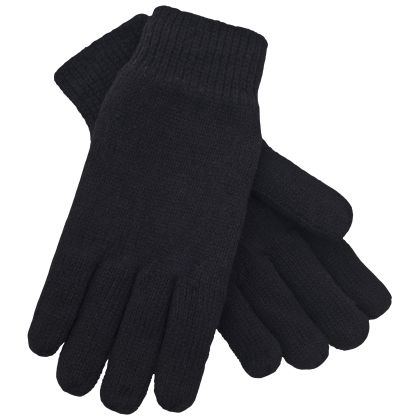
 Adults Fleece Gloves Gaunt II in Black€12.00 Was €19.00
-
-
-
-
-

-
-
-
-
-
-
-
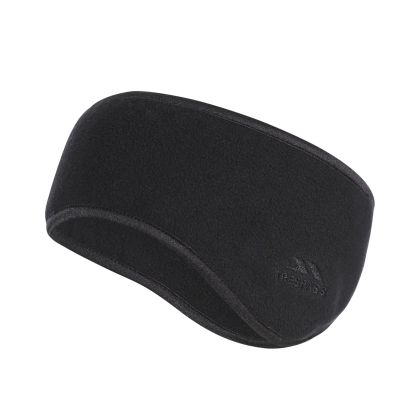 Adults Fleece Headband in Black Lorax€10.00 Was €16.00
-
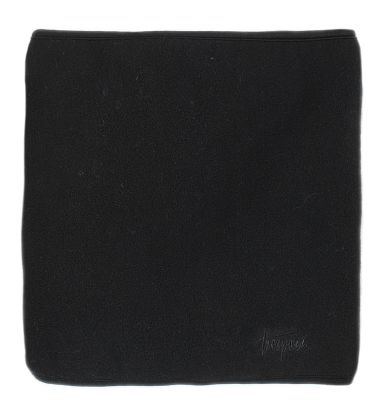 Adults Fleece Neck Warmer Novax In Black€12.00 Was €18.00
-
-
-
-
-
-
-


Guide to Buying Mens Après Ski Clothing
Après ski is about enjoying the mountain resort once the skiing has finished, whether that's attending a live music event, visiting a traditional alpine restaurant or spending an evening at a chalet. Mens après ski clothing should offer a comfortable change from technical ski gear while providing enough warmth for colder conditions.
A practical après ski outfit combines insulating layers, relaxed clothing and suitable footwear. Choosing versatile pieces also means you can pack less without wearing the same outfit every evening.
Men's après ski style combines casual winter clothing with influences from traditional alpine fashion. These are some of the main clothing options to consider.
- Quarter-Zip Fleeces: Easy to pull on after skiing, these provide lightweight insulation and allow ventilation through the neck opening when indoors.
- Padded Gilets: Sleeveless insulation provides extra warmth around the torso without restricting arm movement, particularly when worn over a fleece or jumper.
- Casual Winter Trousers: Stretch or relaxed-fit trousers offer greater comfort than structured ski trousers during social activities.
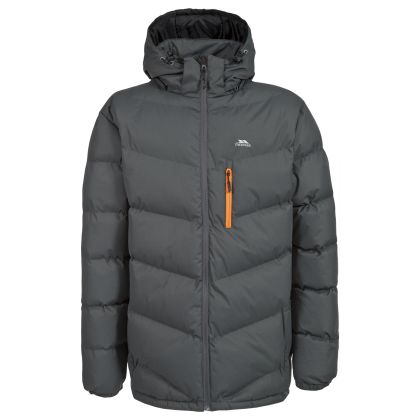
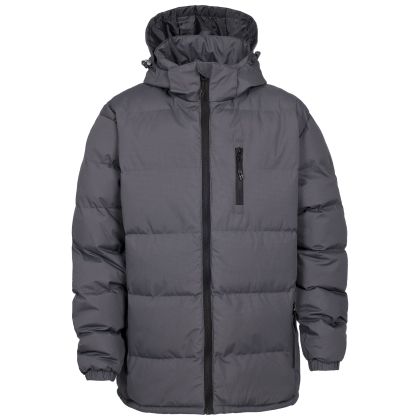
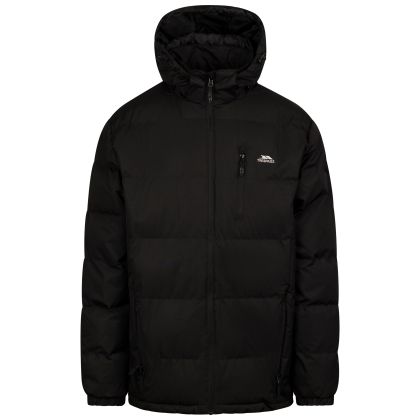
- Insulated Jackets: Padded outerwear helps retain body heat during outdoor entertainment or colder evenings in the mountains.
- Winter Boots: Insulated footwear with grippy soles provides protection when walking across snow-covered resort areas.
Combining a few versatile pieces makes it easier to create different après ski outfits throughout your holiday.
Materials and How They Work
Fabric choice affects insulation, breathability and how comfortable clothing feels after an active day.
- Merino Wool: Naturally insulating and moisture-managing, merino wool works well in jumpers and thermal base layers.
- Polyester Fleece: Lightweight synthetic fibres trap warm air while allowing moisture to escape, making fleece useful for mid layers.
- Wool Blends: These provide warmth and structure in knitted clothing, particularly for evenings spent in relatively dry conditions.
- Synthetic Insulation: Commonly used in padded jackets and gilets, synthetic filling retains more of its insulating ability than untreated down when damp.
- Technical Polyester: Quick-drying fabrics help manage moisture and are useful when changing out of damp clothing after skiing or snowboarding.
Avoid cotton next to the skin if you're likely to sweat or become wet, as it absorbs moisture and can leave you feeling cold.
Small clothing details can improve comfort during long après ski evenings.
- Half zips allow quick temperature adjustment when moving between indoor and outdoor spaces.
- Soft fleece interiors provide insulation without the stiffness of heavier outerwear.
- Ribbed cuffs help knitted jumpers retain their shape during repeated wear.
- Stretch waistbands make casual trousers more comfortable for sitting and relaxing.
- Wind-resistant jacket fabrics reduce exposure to cold mountain breezes.
- Secure pockets keep room keys, wallets and phones safely stored.
- Breathable base layers help manage perspiration remaining after skiing.
- Insulated gilets provide additional torso warmth without covering the arms.
- Waterproof boots with good grip offer better protection on wet or snowy paths.
- Insulated gloves keep hands warm when temperatures fall after sunset.
Choose features according to your plans rather than assuming every après ski outfit needs specialist technical clothing.
Different mountain activities call for different levels of insulation and formality.
- Mountain brewery visits: A quarter-zip fleece with casual trousers creates a relaxed outfit that's comfortable for sitting indoors.
- Alpine food festivals: A padded gilet over a knitted jumper provides useful insulation when moving between outdoor stalls.
- Evening cable-car excursions: An insulated jacket, warm trousers and protective accessories are sensible for exposed mountain viewpoints.
- Chalet games nights: Comfortable joggers and a soft fleece offer freedom of movement without unnecessary outer layers.
- Resort cinema evenings: A knitted jumper with dark trousers provides a casual appearance without the bulk of ski wear.
- Winter stargazing: Insulated outerwear, thermal layers and warm footwear are important when standing still in freezing temperatures.
Neutral trousers and jackets are easy to combine with brighter knitwear, helping you create several outfits from a smaller selection of clothing.
-
Can men wear their ski gear for après ski activities?
- Yes, men can wear their ski jackets, trousers and other ski clothing for après ski activities, especially when heading directly from the slopes to an outdoor venue. Technical ski wear provides useful weather protection, although insulated clothing may feel too warm inside restaurants and bars. Removing your helmet and changing out of rigid ski boots can also make social activities more comfortable. If you're returning to your accommodation first, casual trousers, knitwear and a fleece may be a more convenient option.
-
Do men need thermal base layers for après ski evenings?
- Thermal base layers aren't always necessary for après ski evenings, particularly when most activities take place indoors. However, they're useful for outdoor celebrations, exposed mountain locations and particularly cold temperatures. Merino wool or moisture-wicking synthetic fabrics provide insulation without adding excessive bulk beneath trousers and jumpers. Choose a lightweight base layer for flexibility, adding warmer mid layers or an insulated jacket when conditions require additional protection.
