We value your privacy. We use Cookies to improve your website experience. We also use third-party cookies for marketing purposes.
Cookies are used for ads personalisation. For more info, visit our Privacy Policy.


-
-
-
-
-
-
-
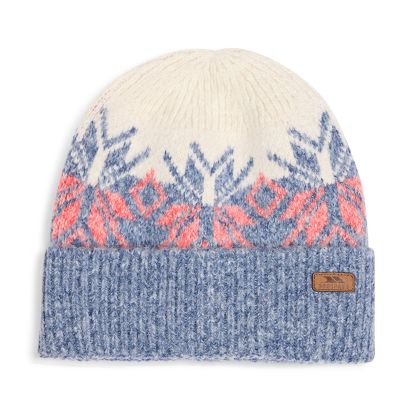 Womens Knitted Hat Edur in Blue Marl€11.99 Was €27.99
-
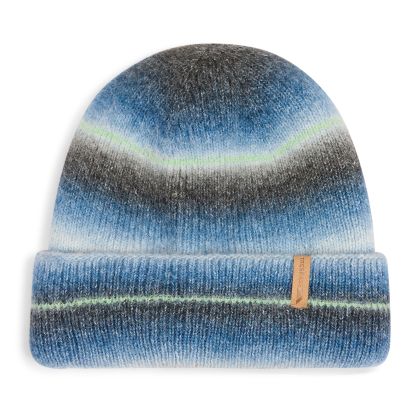 Unisex Hat Chevron in Blue€15.00
-
-
 DLX
-
-
-

-
-
-
-
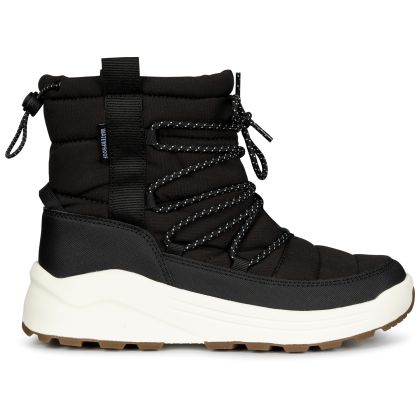 Womens Waterproof Snow Boots Indie in Black€24.99 Was €115.99
-

-
-
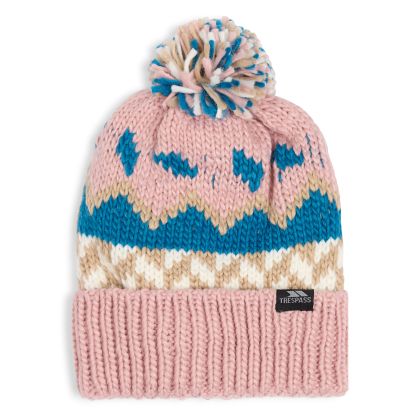 Kids' Knitted Hat Twiglet€11.00
-
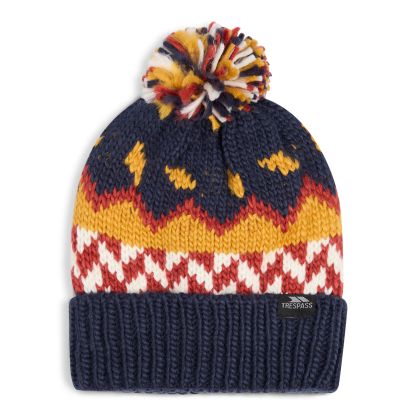 Kids' Knitted Hat Twiglet€11.00
-
-
 DLX
-
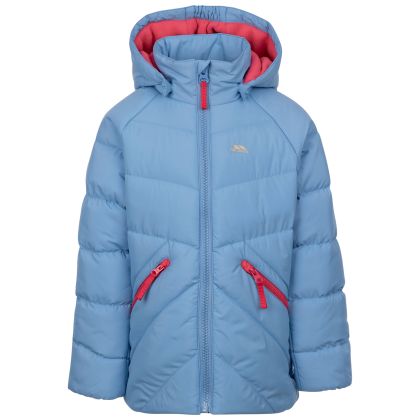
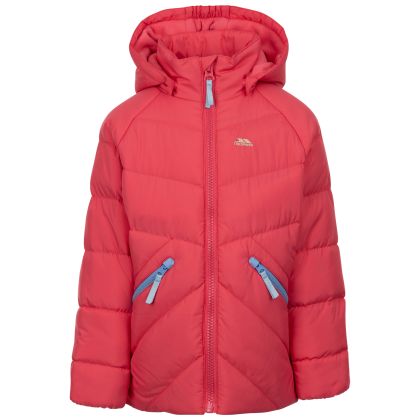
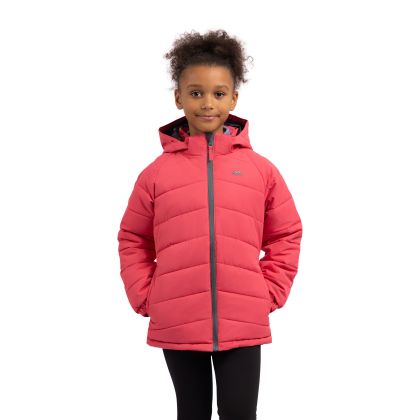 Girls Casual Waterproof Jacket Amira in Strawberry€45.00 Was €79.00
-
 DLX
-
-
-
-
-
-
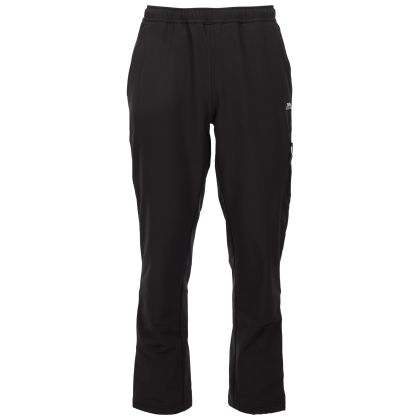 Mens Trousers Ryder Black€34.00
-
-
-
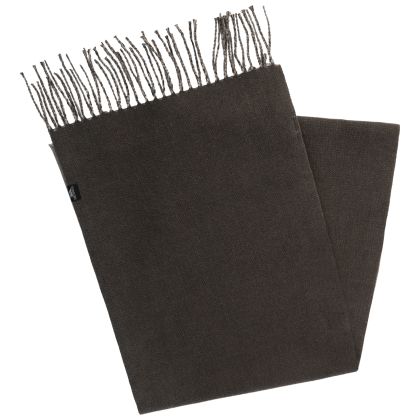
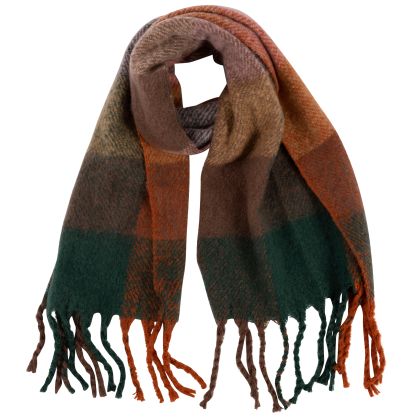 Womens Scarf Beverly€22.00 Was €35.00
-
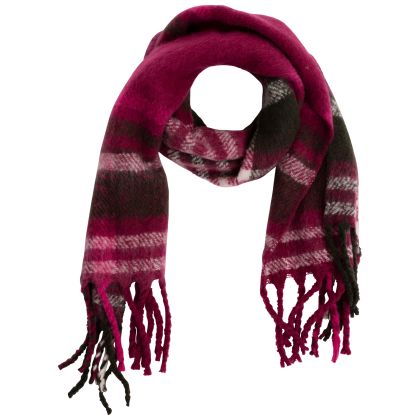 Womens Scarf Beverly€22.00 Was €35.00
-
-

-
-
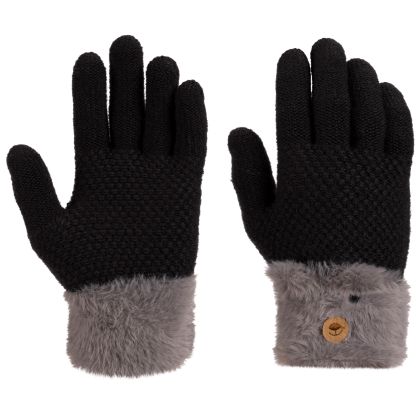 Kids Knitted Gloves Lunark In Dark Grey€9.00 Was €13.00
-
-
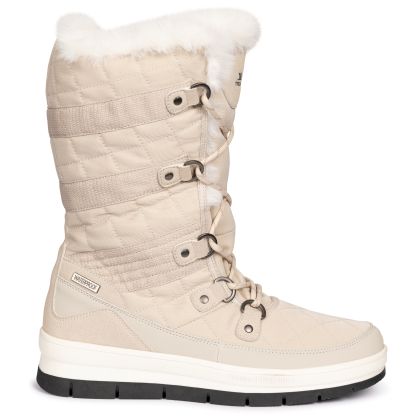
-
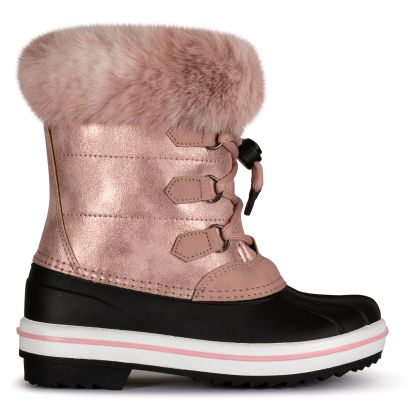
-
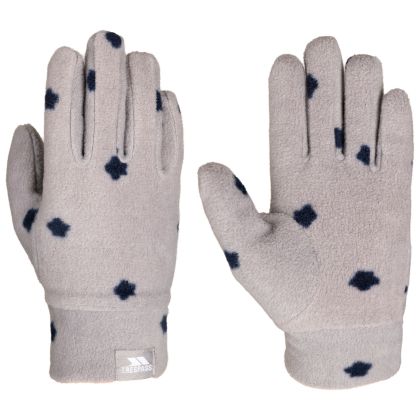
-
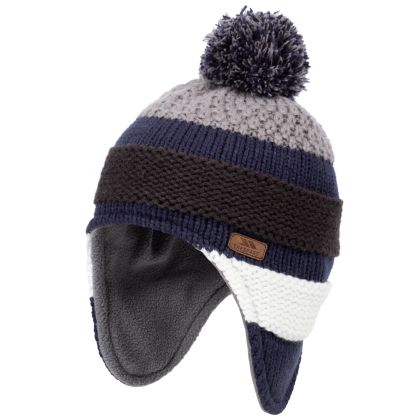
-
-
-
-


Guide to Buying Après Ski Clothing
Skiing might be finished, but the mountain experience continues long after the final run. Après ski brings together everything from relaxed drinks at a mountainside café to lively resort gatherings and leisurely evenings in an alpine village. Après ski clothing is all about feeling comfortable after an active day while embracing the distinctive style of mountain life.
Unlike technical ski clothing, which is primarily designed for performance on the slopes, après ski outfits place greater emphasis on relaxed fits, cosy textures and everyday practicality. Think chunky knits, colourful fleeces, insulated jackets and sturdy snow boots.
A thoughtfully selected après ski collection should accommodate snowy outdoor terraces, heated restaurants and walks between resort venues. The aim is to enjoy the atmosphere without feeling restricted by bulky ski gear or exposed to the mountain chill.
Après ski fashion combines casual alpine style with garments that remain practical in mountain environments. Different pieces can be mixed to create outfits for socialising, relaxing or exploring the resort.
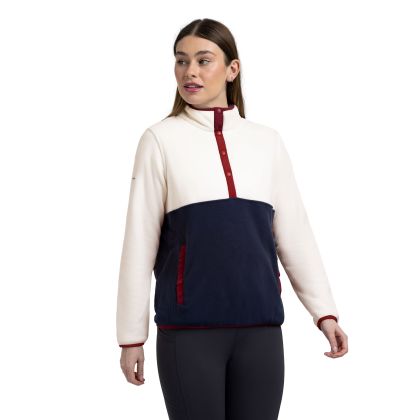
- Patterned Fleece Pullovers: Retro-inspired patterns and bold colours give fleece pullovers a distinctive mountain look. Their soft construction makes them particularly comfortable after removing restrictive ski equipment.
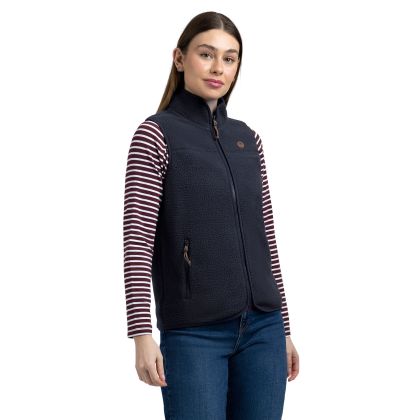
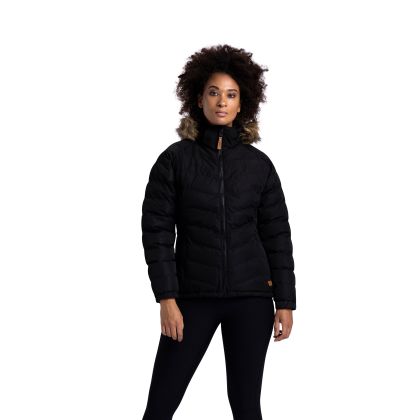
- Insulated Gilets: Padded gilets provide extra warmth around the torso while leaving the arms unrestricted. They work particularly well over chunky knits or lightweight fleece tops.
- Ski Hoodies: Relaxed hoodies provide a casual alternative to traditional ski wear, particularly for quieter evenings or travelling between accommodation and resort facilities.
- Insulated Snow Boots: Footwear with waterproof uppers, insulating linings and substantial soles is useful for navigating snowy resort pathways after changing out of ski boots.
- Relaxed Winter Bottoms: Soft joggers, knitted trousers and thermal leggings offer comfortable alternatives to technical ski pants once the day's activities are finished.
These different styles allow an après ski collection to combine distinctive fashion with clothing suitable for spending time around mountain resorts.
Materials and How They Work
Fabric choice makes a noticeable difference when moving between cold mountain air and heated indoor spaces. The best après ski clothing combines insulation with softness and manageable weight.
- Sherpa Fleece: Its textured, fluffy surface traps insulating air and creates a cosy appearance. Sherpa fleece is commonly used in jackets, pullovers and garment linings.
- Merino Wool: Fine wool fibres provide insulation while helping regulate temperature and manage moisture. Merino is useful for knitted jumpers, socks and garments worn beneath outerwear.
- Recycled Polyester Fleece: This lightweight synthetic fabric provides warmth, dries relatively quickly and is practical for casual alpine clothing.
- Acrylic-Wool Blends: Often found in chunky knits, these blends can offer a substantial knitted appearance while providing a balance of softness, insulation and easy care.
- Synthetic Insulation: Used inside padded jackets and gilets, synthetic filling retains insulating properties even when damp, making it practical for changeable mountain conditions.
- Technical Stretch Fabrics: Flexible materials are useful in leggings and relaxed trousers, providing freedom of movement when walking, sitting or travelling.
Wool, fleece and synthetic blends are particularly useful for après ski wear because they can provide insulation without requiring the rigid construction of specialist slope equipment.
Après ski clothing should accommodate relaxed social activities while providing enough protection for time spent outdoors. The following details are worth considering when building your collection.
- Oversized jumpers and relaxed trousers provide comfortable movement after wearing fitted ski clothing.
- Brushed fleece and plush linings offer a soft feel against the skin for added comfort.
- High necklines and insulated collars help protect against the mountain chill when stepping outside.
- Full-length zips make it easier to adjust warmth when moving between outdoor terraces and heated venues.
- Lightweight padded jackets offer convenient insulation without taking up excessive luggage space.
- Weather-resistant outer fabrics help protect insulating layers from light snow and moisture.
- Deep-tread boot soles provide better traction when walking along snowy resort pathways.
- Flexible waistbands allow comfortable movement when sitting, walking or relaxing after skiing.
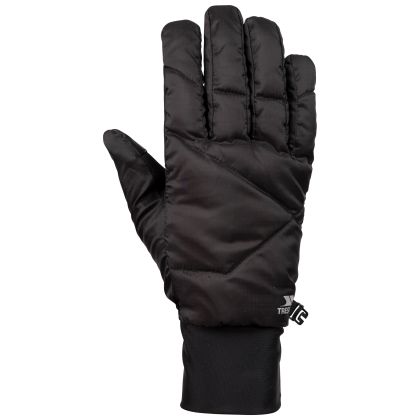
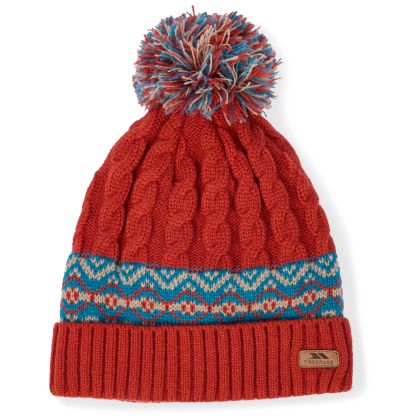
- Wool scarves, knitted beanies and insulated gloves provide additional warmth in exposed mountain settings.
- Secure zipped pockets keep phones, cards and other small essentials safely stored.
- Breathable, moisture-managing fabrics help maintain comfort when moving between indoor and outdoor environments.
Chunky knits and colourful accessories can make a statement, while neutral shades provide a more understated look. Both approaches work well when functionality remains part of the overall outfit.
Après ski is not a single activity. The clothing suitable for an outdoor celebration may feel excessive inside a restaurant, while an outfit intended for relaxing indoors might offer too little protection outside.
- Mountainside cafés: A patterned fleece beneath an insulated gilet offers a casual look with additional warmth for outdoor seating. Add a knitted beanie and gloves when temperatures fall.
- Lively après ski bars: Chunky knits, comfortable trousers and practical snow boots create a relaxed outfit that works for socialising without requiring a complete change of style.
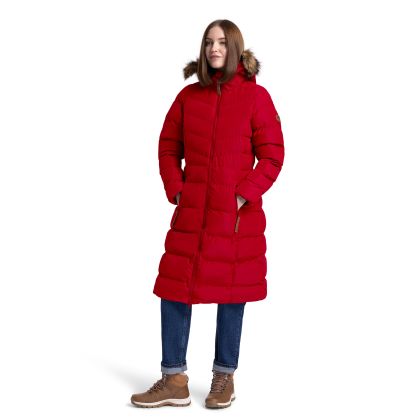
- Outdoor resort events: An insulated puffer jacket, thermal leggings and warm accessories provide additional coverage when standing outside for longer periods.
- Chalet evenings: A soft fleece hoodie or knitted jumper with relaxed trousers creates a comfortable outfit after a full day on the slopes.
- Alpine village shopping: A lightweight insulated jacket, flexible trousers and waterproof boots make walking between shops and cafés more comfortable.
- Restaurant dinners: A fine-knit wool jumper, tailored trousers and an understated insulated coat provide a smarter alternative to casual ski outfits.
- Travelling between resorts: Comfortable joggers, a zip-front fleece and an easily removable jacket are practical for journeys involving changing temperatures.
A versatile après ski collection makes it easier to enjoy different parts of the mountain lifestyle without packing a separate outfit for every occasion.
-
Can you wear ski clothing for après ski, or do you need separate outfits?
- You can wear ski clothing for après ski, particularly when heading directly from the slopes to a mountainside bar or café. Ski jackets and insulated trousers provide useful protection when socialising outdoors. However, technical ski outfits may feel bulky or overly warm inside heated venues. Many people prefer changing into softer fleece, chunky knits and comfortable trousers for the evening. Separate après ski clothing is therefore a matter of comfort and personal style rather than a necessity.
-
Is it better to choose lightweight layers or thick insulated clothing for après ski?
- Lightweight layers are generally more adaptable because après ski activities often involve moving between cold outdoor spaces and heated indoor venues. A fleece or wool jumper beneath an insulated jacket allows you to adjust your clothing without changing the entire outfit. Thick insulated clothing is useful when spending extended periods outdoors in freezing temperatures, especially during less active social events. For most resort activities, combining breathable layers with protective outerwear provides a practical balance of warmth, comfort and flexibility.
