We value your privacy. We use Cookies to improve your website experience. We also use third-party cookies for marketing purposes.
Cookies are used for ads personalisation. For more info, visit our Privacy Policy.


-
-
-
-
-
-
-
-
-
-
-
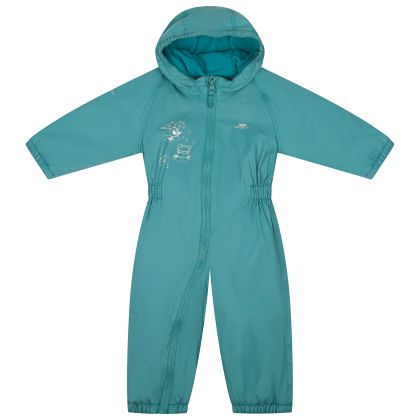 Babies Rain Suit Dripdrop in Greensea€23.99 Was €53.99
-
-
-
-
-
-
-
-
-
-
-
-
-
-
-
-
-
-
-
-
-

-
-
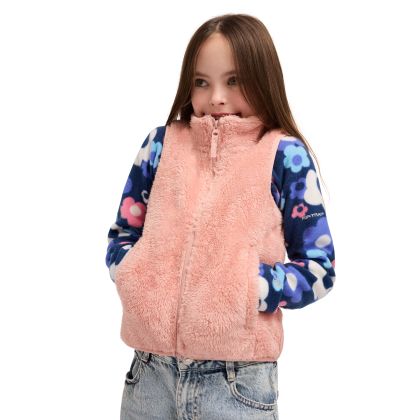
-
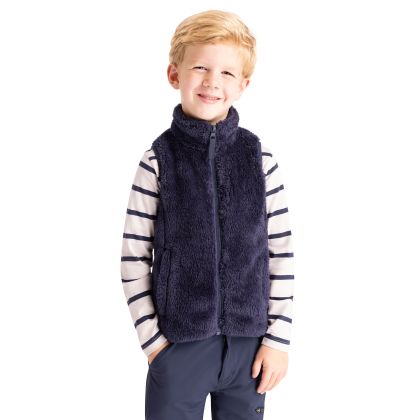
-
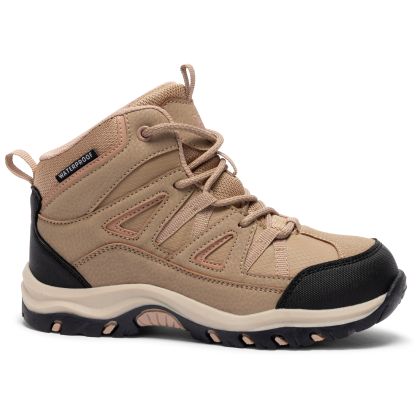
-
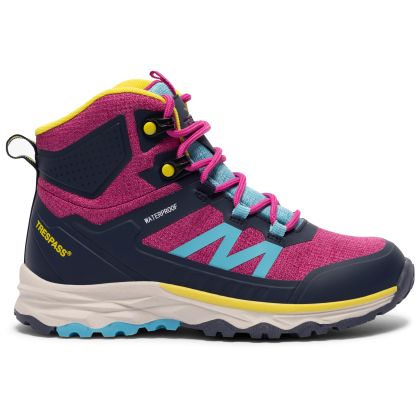
-
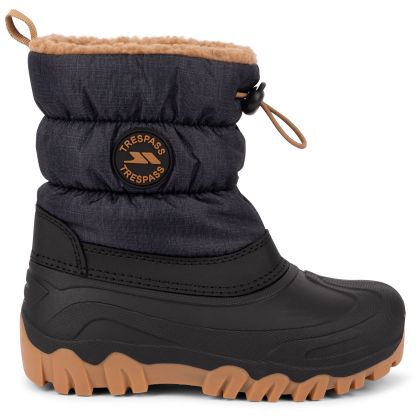 Kids Snow Boots Luca in Navy€65.00
-
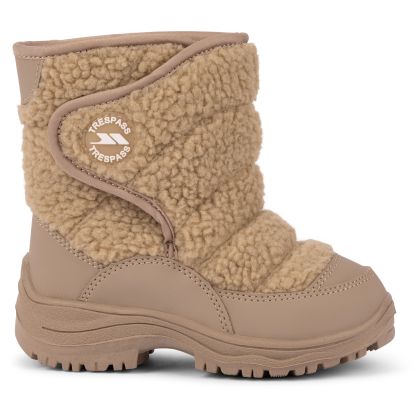
-
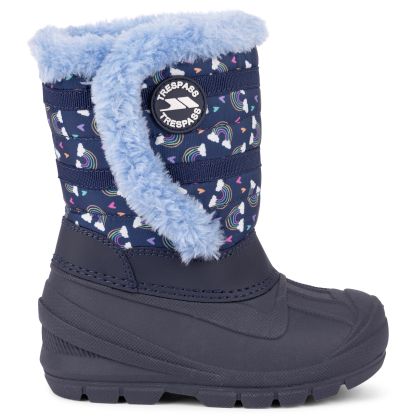 Kids Snow Boots Runa in Navy€31.00
-
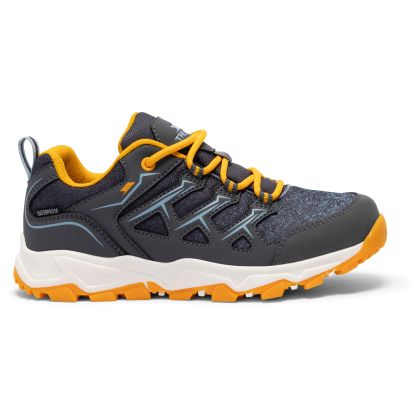
-
-
-
 DLX
-
-
-
-


Guide to Buying Kids Winter Clothing
Getting children ready for winter means preparing for muddy playgrounds, frosty mornings and unexpected changes in temperature. Kids winter clothing needs to withstand energetic play while keeping little ones comfortable during school days, family outings and outdoor adventures.
Children can become warm surprisingly quickly when running around, then feel the cold when they stop. Their clothing should accommodate these changes without becoming restrictive or uncomfortable. A practical winter collection includes weatherproof outerwear, flexible everyday garments, suitable footwear and accessories that protect exposed areas.
For boys and girls of different ages, the priority is clothing that allows them to enjoy being outside without constantly needing adjustments.
Children's wardrobes benefit from several clothing categories, each serving a particular purpose during colder weather.
- Waterproof Dungarees: Outdoor dungarees provide extended coverage around the waist and back, making them useful for younger children who enjoy messy activities.
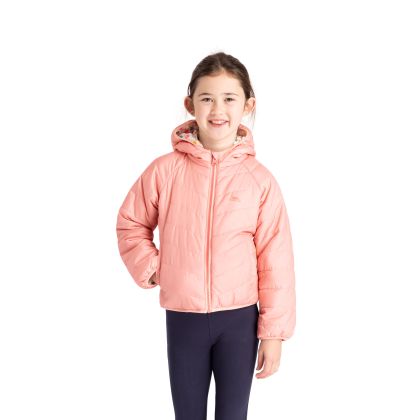
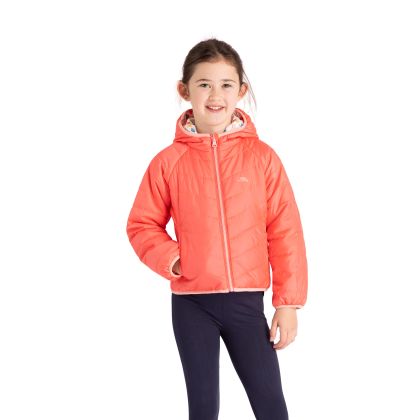
- Reversible Jackets: Offering two appearances in one garment, reversible jackets provide variety for casual outings. Check their insulation and weather protection, as these vary between designs.
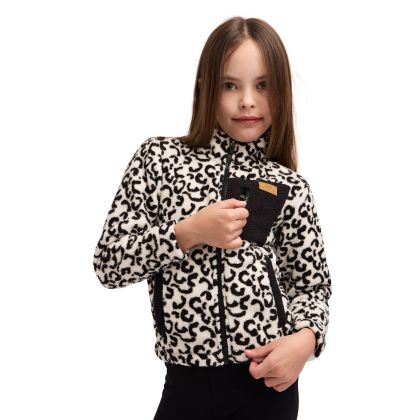
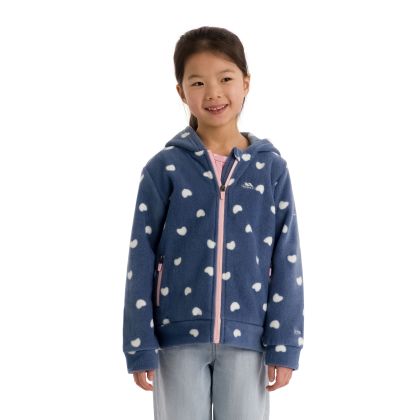
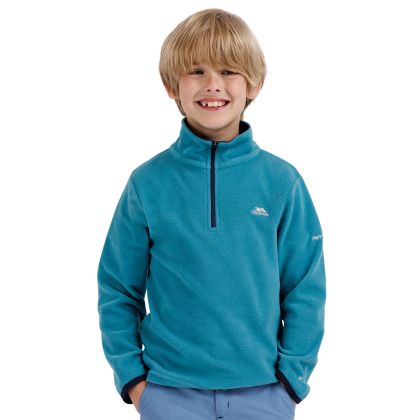
- Fleece Hoodies: These combine the familiar comfort of hoodies with insulating fleece materials, making them suitable for cooler classrooms and relaxed activities.
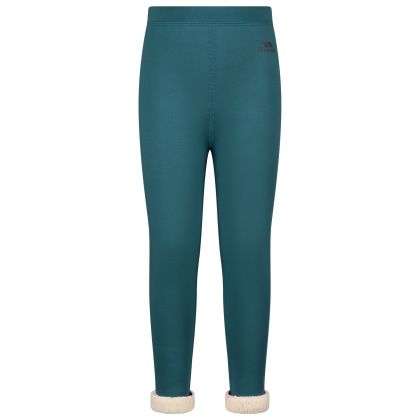
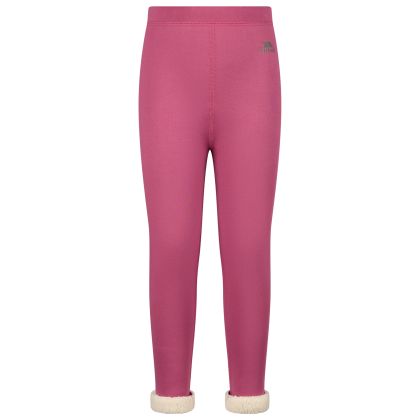
- Thermal Leggings: Flexible leggings provide insulation beneath school uniforms, outdoor trousers or other clothing without adding substantial bulk.
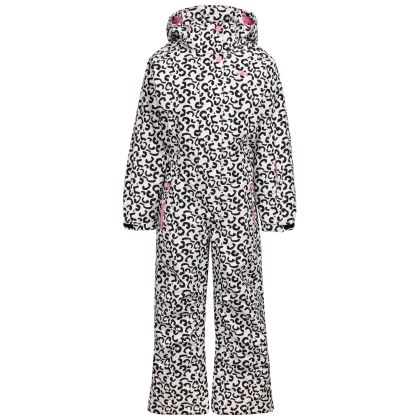
- Winter Snowsuits: Full-body snowsuits offer extensive coverage for babies and toddlers during cold outdoor outings.
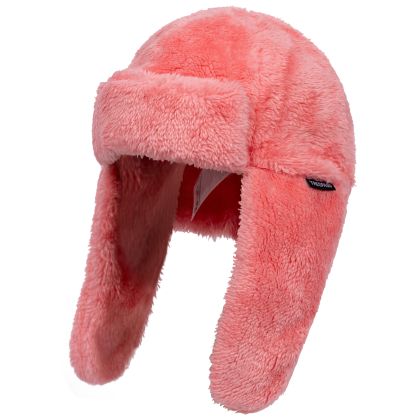
- Winter Accessories: Hats, mittens and neck warmers protect areas that are easily exposed when children are playing.
A balanced selection helps parents dress children appropriately without relying on bulky garments for every activity.
Materials and How They Work
Children's clothing needs materials that tolerate frequent washing, stretching and everyday wear. Fabric performance is particularly important when garments are used repeatedly throughout the season.
- Merino Wool: Fine wool fibres provide insulation and help manage moisture, making merino useful in garments worn close to the skin.
- Cotton Blends: These offer softness for everyday clothing, with fabric blends that can improve shape retention through regular washing.
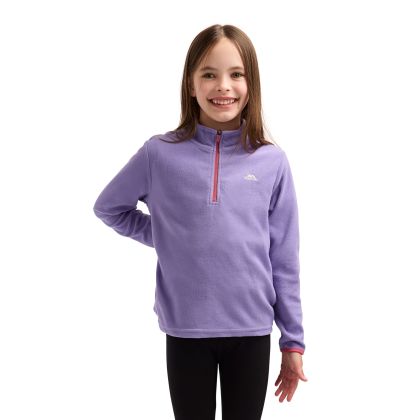
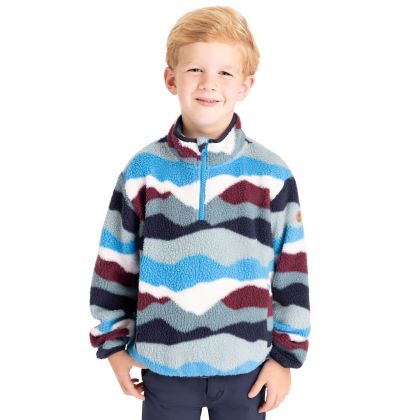
- Polyester Fleece: Fleece traps insulating air within its fibres while remaining relatively lightweight, making it useful for children's jumpers and hoodies.
- Technical Synthetic Fabrics: Polyester and nylon blends can provide strength and quick-drying performance in activewear and protective outer garments.
- Waterproof Coated Fabrics: Used in rainwear and outdoor clothing, these help prevent moisture penetrating the garment. Taped seams provide additional protection where fabric panels join.
- Wool Blends: These combine the insulating properties of wool with other fibres to create durable winter garments.
Good material choices support comfort during active play while helping clothing withstand the demands of regular use.
Practical details can make winter dressing easier for parents and children alike.
- Easy-grip zip pulls help children fasten jackets independently, even when wearing gloves.
- Adjustable hoods provide head coverage while allowing a suitable fit.
- Waterproof outer fabrics help keep children dry during rain and wet outdoor play.
- Adjustable cuffs reduce gaps where cold air or moisture could enter.
- Reflective details improve visibility during darker mornings and afternoons.
- Elasticated openings help younger children put on garments without complicated fastenings.
- Soft neck coverings provide additional protection without requiring long, loose scarves.
- Machine-washable materials make it easier to clean clothing after muddy activities.
- Grippy boot soles provide traction on slippery playground surfaces.
- Breathable linings reduce overheating during energetic activities.
When purchasing winter coats, check that the garment closes comfortably over the clothing underneath and that children can lift their arms freely.
Different activities call for different clothing combinations. The aim is to protect children without making their outfits unnecessarily complicated.
- Nursery and reception: Waterproof dungarees, easy-fastening jackets and wellington boots are practical for messy outdoor sessions. Clothes that children can manage independently make changing easier.
- Playground games: Flexible leggings or joggers, a breathable hoodie and a suitable coat allow children to climb, run and move comfortably.
- Frosty school mornings: A warm jumper beneath a school coat, together with a hat and gloves, provides additional protection while waiting outdoors.
- Woodland exploration: Durable trousers, waterproof boots and a weatherproof jacket help protect children when walking through wet grass and muddy paths.
- Family snow holidays: Insulated outerwear, waterproof mittens and snow boots help keep little ones protected during snow activities.
- Indoor playdates: Comfortable cotton-blend clothing and lightweight hoodies are often more practical than heavy winter garments.
The most useful children's winter wardrobe is one that makes outdoor activities enjoyable while remaining manageable for everyday family routines.
-
Is a fleece or padded jacket better for keeping kids warm in winter?
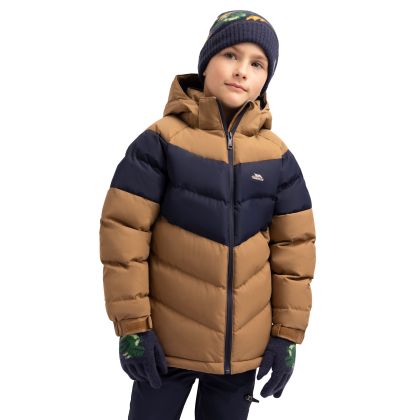
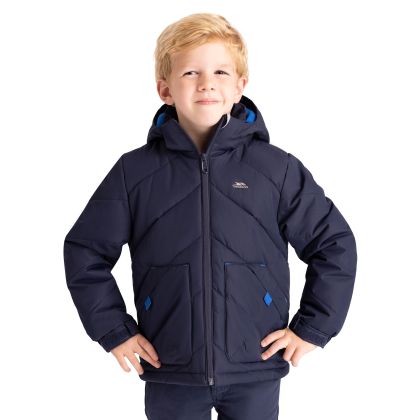
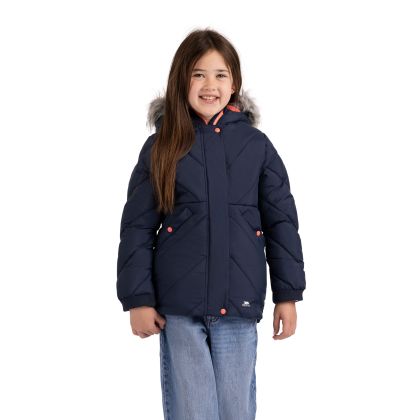
- A padded jacket is generally more suitable as an outer garment during very cold conditions because its insulation helps retain body heat, particularly when combined with a wind-resistant exterior. Fleece jackets provide warmth but usually offer less protection against strong wind. They can be useful during active play or underneath a protective coat. For milder days, fleece may be sufficient, while a padded jacket is often preferable for prolonged outdoor exposure in low temperatures.
-
What should kids wear for outdoor play during freezing weather?
- Children should wear clothing that provides insulation, moisture management and protection from wind and wet conditions. Start with a close-fitting thermal base layer, followed by a fleece or insulating jumper and a weatherproof coat. Add suitable outdoor trousers, insulated waterproof boots, warm socks and a hat that covers the ears. Mittens are often warmer than gloves for younger children. Check regularly for damp clothing, cold fingers or overheating, and adjust garments according to activity levels and the conditions.
