We value your privacy. We use Cookies to improve your website experience. We also use third-party cookies for marketing purposes.
Cookies are used for ads personalisation. For more info, visit our Privacy Policy.

-
-
 5 colours
 -
-
 2 colours
 -
-
-
 3 colours
 -
 3 colours
 -
 3 colours
 -
 2 colours
 -
-
 2 colours
 -
-
 15 colours
 -
-
-
 9 colours
 -
 Mens Beanie Hat Stagger€10.00 Was €16.00
 -
 Kids Trainers Bevin In Black€40.00
 -

-
-
 2 colours
 -
 3 colours
 -
 2 colours
 -
 3 colours
 -
 2 colours
 -
-

-
 3 colours
 -
 3 colours
 -
 4 colours
 -
 5 colours
 -
-
 5 colours
 -
 5 colours
 -
 5 colours
 -
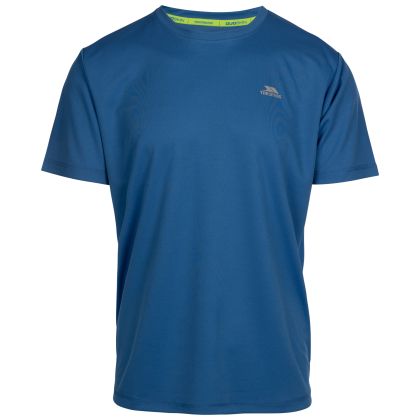 5 colours
 -
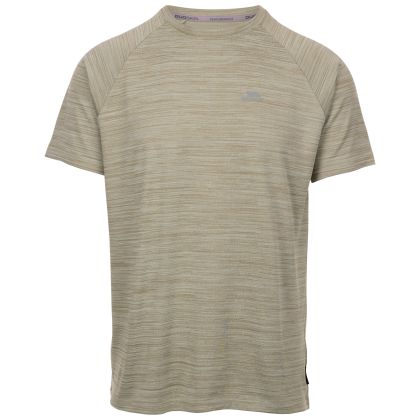 9 colours
 -
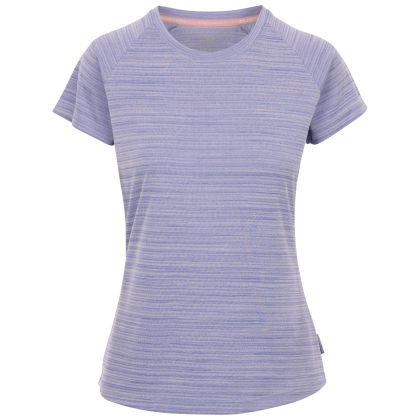 9 colours
 -
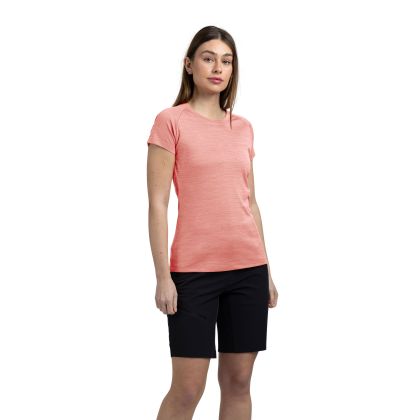 9 colours
 -
 2 colours
 -
 2 colours
 -
 2 colours
 -
-
 2 colours
 -
-
-
 15 colours


Guide to Buying Trail Running Gear
Success on the trail isn't just about fitness. The equipment you choose can influence your comfort, confidence, and ability to adapt when conditions change. Good trail running gear works as a complete system, with each piece contributing to hydration, protection, navigation, or efficiency. Whether you're preparing for your first off road route or planning longer adventures in the hills, understanding which items matter most makes it easier to build a kit that suits the way you run.
Every piece of equipment has a role to play before, during, or after your run.
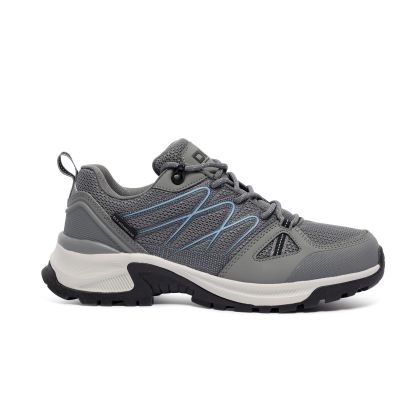
- Trail running shoes: Built with grippy outsoles and supportive construction to improve traction on uneven ground.
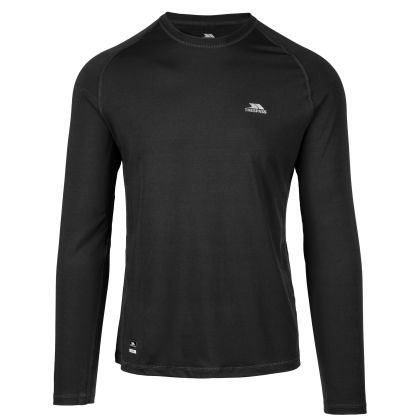
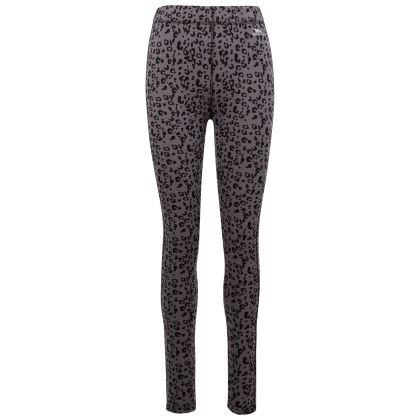
- Technical running clothing: Moisture wicking tops, shorts, tights, and jackets help regulate comfort in changing conditions.
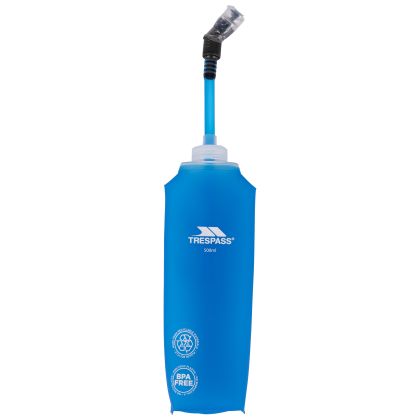
- Hydration equipment: Running packs, hydration vests, and soft flasks make it easier to carry water and nutrition over longer distances.
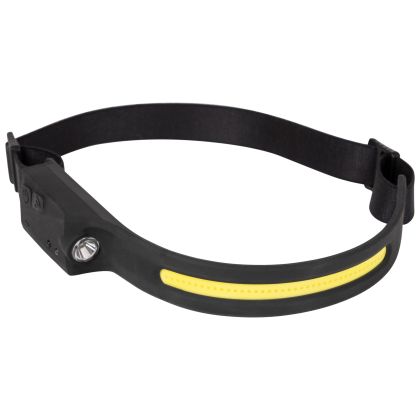
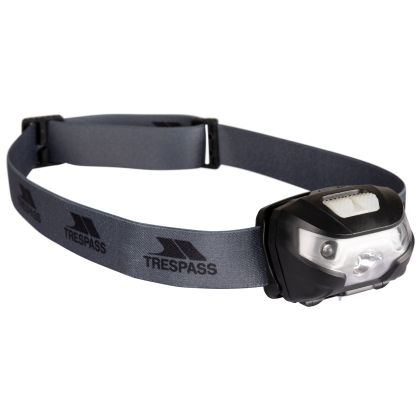
- Navigation and safety gear: GPS watches, head torches, and emergency essentials become increasingly important on remote trails.
- Accessories: Running socks, hats, gloves, and lightweight poles provide additional comfort and protection when conditions demand them.
Choosing equipment based on where and how you run helps create a practical trail running setup without carrying unnecessary extras.
Materials and How They Work
The materials used in trail running gear are selected to withstand demanding outdoor environments.
- Moisture wicking fabrics: Draw perspiration away from the skin to help maintain comfort during sustained effort.
- Ripstop woven materials: Improve resistance to tears caused by rocks, branches, and repeated use.
- Merino wool: Naturally regulates temperature while helping to manage odour on longer outings.
- Lightweight waterproof fabrics: Provide protection from rain while remaining breathable during active movement.
- Reinforced synthetic materials: Increase durability in high wear areas such as footwear and packs.
These technical materials work together to improve comfort, durability, and reliability across a wide variety of trail conditions.
When comparing trail running gear, focus on practical features that support the type of running you enjoy.
- Trail running shoes should provide dependable grip for loose or uneven terrain.
- Lightweight construction reduces fatigue over longer distances.
- Moisture wicking clothing helps regulate body temperature.
- Running packs should offer stable carrying systems with easy access to hydration.
- Technical running socks help reduce friction and improve comfort.
- GPS watches assist with navigation and tracking performance.
- Packable waterproof jackets provide weather protection without taking up much space.
- Reflective details improve visibility in lower light conditions.
Prioritising useful features over unnecessary extras makes it easier to build a collection of gear that performs well across different trails and seasons.
The time of year has a significant influence on the equipment you'll need.
- Spring: Lightweight layers and a waterproof jacket prepare you for frequent weather changes.
- Summer: Breathable clothing, technical running socks, and reliable hydration become increasingly important during warmer conditions.
- Autumn: Add wind resistant layers and footwear with dependable grip to cope with wet leaves and softer ground.
- Winter: Combine insulating layers with waterproof outerwear, gloves, and a head torch when daylight is limited.
- Mountain environments: Carry additional safety equipment, navigation tools, and spare layers regardless of the season, as conditions can change quickly.
Adjusting your trail running gear throughout the year helps you stay comfortable without carrying more equipment than your route requires.
-
Which trail running essentials are worth investing in?
- Start with quality trail running shoes, as they provide the grip and stability needed for uneven terrain. From there, consider technical running clothing, supportive running socks, a hydration pack or vest, and a lightweight waterproof jacket. If you regularly explore remote routes or longer distances, a GPS watch is also a worthwhile investment for navigation and tracking.
-
How do I layer trail running gear for different seasons?
- Use a simple layering system that can be adjusted as conditions change. Begin with a moisture wicking base layer, add an insulating mid layer when temperatures are lower, and finish with a lightweight waterproof or wind resistant outer layer if rain or strong winds are expected. This approach allows you to add or remove clothing as your activity level and the weather change throughout the run.
