We value your privacy. We use Cookies to improve your website experience. We also use third-party cookies for marketing purposes.
Cookies are used for ads personalisation. For more info, visit our Privacy Policy.

-
-
-
-
 2 colours
 -
 15 colours
 -
 9 colours
 -
 2 colours
 -

-
 3 colours
 -
 2 colours
 -
 3 colours
 -
 5 colours
 -
 9 colours
 -
 9 colours
 -
 2 colours
 -
-
 15 colours
 -
 9 colours
 -

-
 9 colours
 -
 9 colours
 -
 9 colours
 -
 5 colours
 -
 5 colours
 -
 5 colours
 -

-

-
 15 colours
 -
 15 colours
 -
 15 colours
 -
 15 colours
 -
 15 colours
 -
 15 colours


Guide to Buying Womens Trail Running Clothing
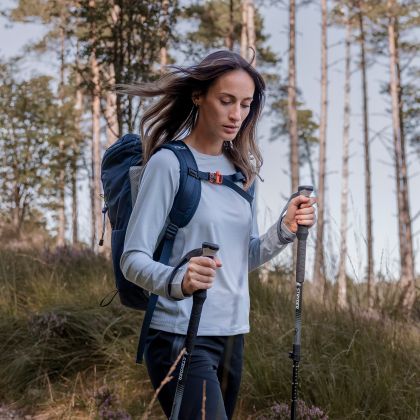
A successful day on the trail starts long before you set off. The clothing you wear needs to cope with changing temperatures, steep climbs, muddy paths, and long hours outdoors without becoming uncomfortable. Well chosen womens trail running clothing allows you to move naturally, regulate body temperature, and adapt to different conditions as your route unfolds. Rather than relying on one outfit all year, building a versatile collection of technical pieces makes it easier to enjoy every run, whatever the forecast.
Every garment serves a different purpose depending on the season and terrain.
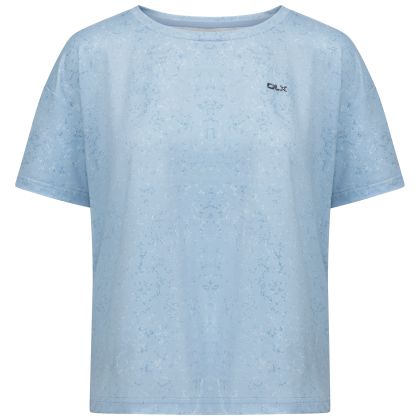
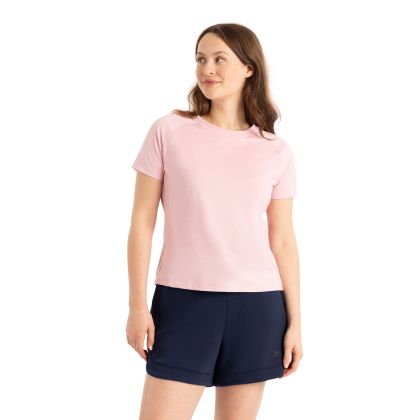
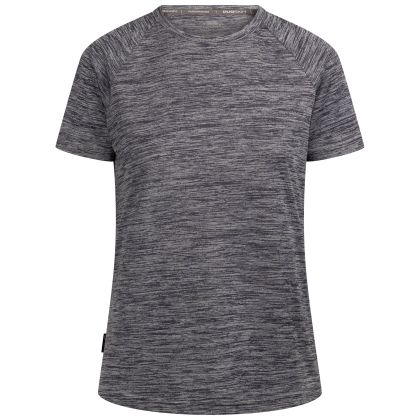
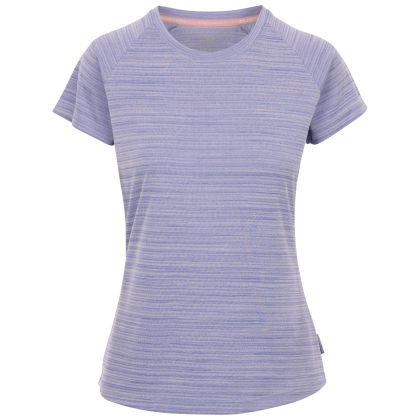
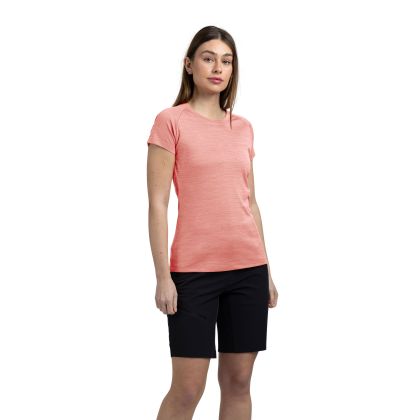
- Technical running t-shirts: Lightweight, breathable tops that help keep you comfortable during mild weather.
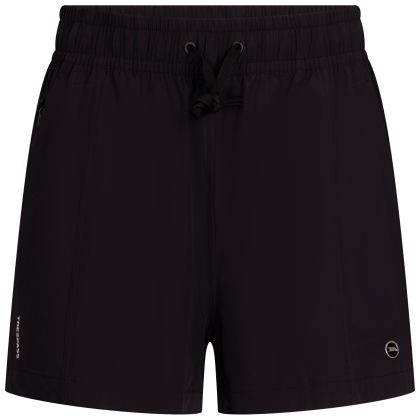
- Trail running shorts: Designed with secure pockets and flexible fabrics for unrestricted movement.
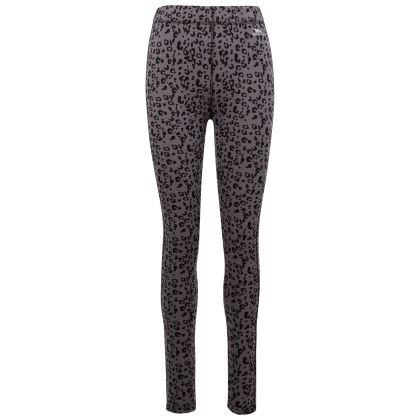
- Leggings and tights: Offer extra coverage and warmth when temperatures begin to drop.
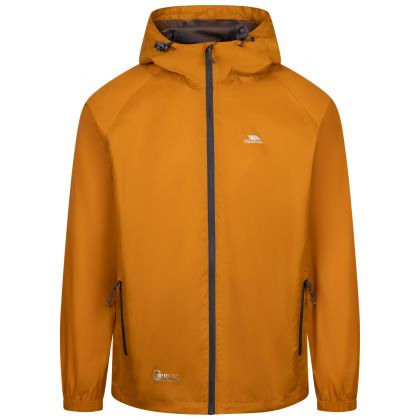
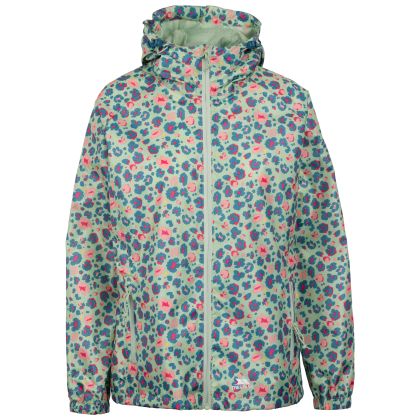
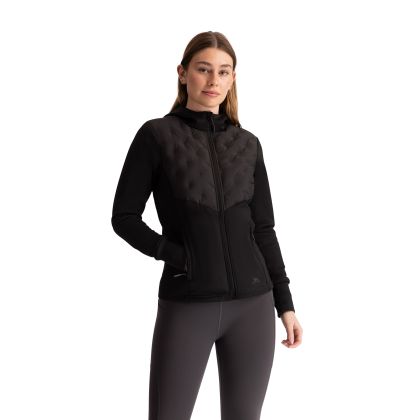
- Waterproof outerwear: Lightweight waterproof jackets and waterproof trousers help protect against persistent rain and muddy conditions.
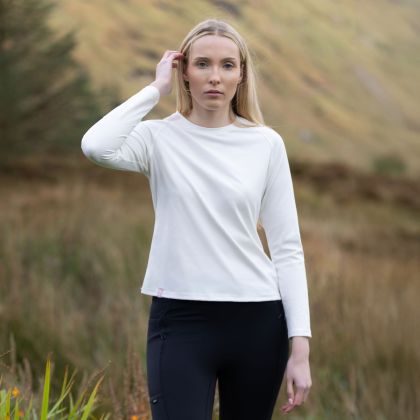
- Base layers and long sleeve tops: Provide additional insulation while remaining breathable during cooler runs.
Combining different clothing types allows you to adjust your outfit to suit both the conditions and your running plans.
Materials and How They Work
Technical fabrics are chosen to perform in demanding outdoor environments.
- Polyester fabrics: Dry quickly and help move moisture away from the skin.
- Four way stretch materials: Improve mobility when climbing, descending, or navigating uneven trails.
- Lightweight woven fabrics: Reduce bulk while remaining comfortable over longer distances.
- Breathable waterproof fabrics: Help shield you from rain without trapping excess heat.
- Soft technical blends: Provide lasting comfort while standing up to repeated use on rugged trails.
Using materials that complement one another creates clothing that remains comfortable across changing conditions.
Small design details can make a noticeable difference once you're out on the trail.
- Lightweight fabrics help keep your kit comfortable over longer distances.
- Quick drying materials recover faster after rain or stream crossings.
- Secure pockets safely store keys, gels, or other essentials.
- Stretch fabrics allow unrestricted movement on technical terrain.
- Breathable panels improve airflow during demanding efforts.
- Flat seams help minimise rubbing over extended runs.
- Adjustable hoods improve protection when the weather changes.
- Reflective details increase visibility during early morning or evening outings.
- Comfortable waistbands help create a secure fit without distraction.
Choosing features that match the way you normally run often delivers greater long term comfort than simply selecting the lightest option.
Instead of replacing your kit every season, adapt it by adding or removing layers.
- Warm spring days: Pair a technical T shirt with lightweight shorts and carry a compact waterproof jacket if showers are expected.
- Summer trails: Choose breathable clothing that dries quickly and helps manage heat during longer efforts.
- Cool autumn conditions: Add a long sleeve layer and lightweight outer shell to stay comfortable as temperatures fall.
- Winter running: Wear insulating base layers beneath waterproof outerwear to protect against cold winds and persistent rain.
- Mixed weather adventures: Build a flexible clothing system that allows you to adjust your layers as conditions, elevation, and effort levels change.
Using a layering approach gives you greater flexibility, making it easier to stay comfortable across every season without carrying unnecessary clothing.
-
Is waterproof trail running clothing worth buying for wet and muddy trails?
- Yes. If your runs regularly include muddy woodland paths, exposed hills, or wet weather, waterproof clothing is a worthwhile investment. Lightweight waterproof jackets help protect against rain while remaining breathable enough for active movement, and waterproof trousers can provide additional protection during particularly wet conditions. Choosing packable waterproof layers also means they're easy to carry when the weather improves.
-
How do I layer trail running clothing for different seasons?
- A practical layering system starts with a moisture managing base layer worn next to the skin. Add a lightweight insulating layer when temperatures are cooler, then finish with a wind resistant or waterproof outer layer if the forecast requires it. During warmer months you can remove extra layers, while colder conditions simply require adding insulation without restricting movement.
