We value your privacy. We use Cookies to improve your website experience. We also use third-party cookies for marketing purposes.
Cookies are used for ads personalisation. For more info, visit our Privacy Policy.


-
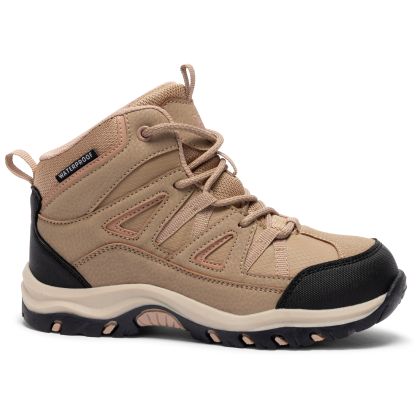
-
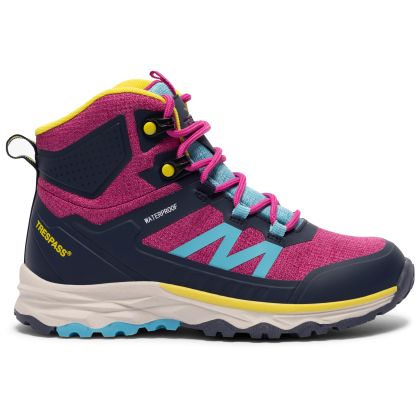
-
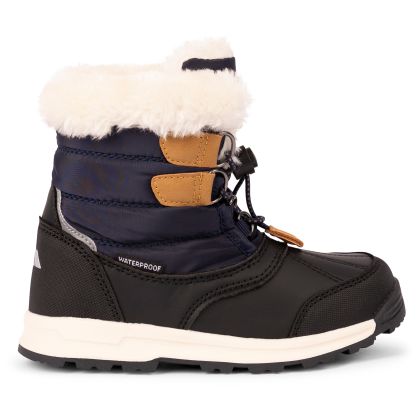
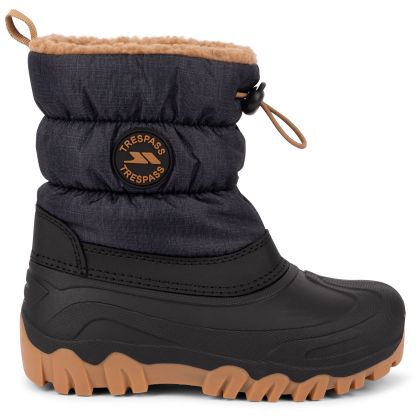 Kids Snow Boots Luca in Navy€65.00
-
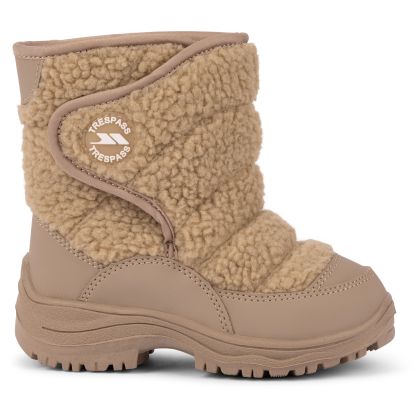
-
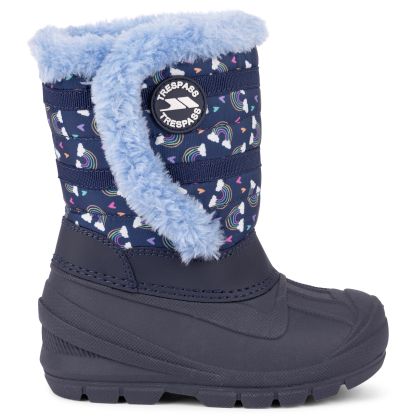 Kids Snow Boots Runa in Navy€31.00
-
-
-
-
-

-
-
-
-
-
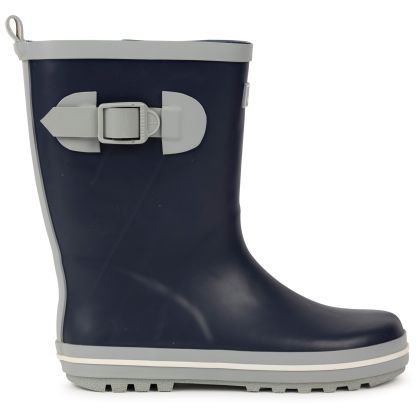 Kids Wellies Trumpet in Navy€45.00
-
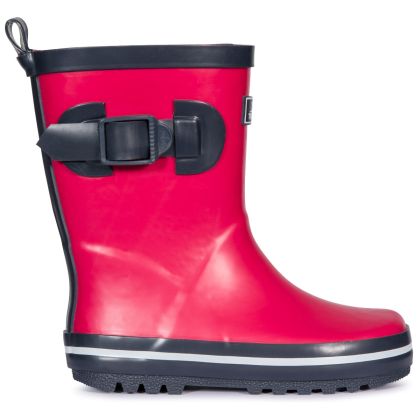 Kids Wellies Trumpet in Pink€45.00
-
-
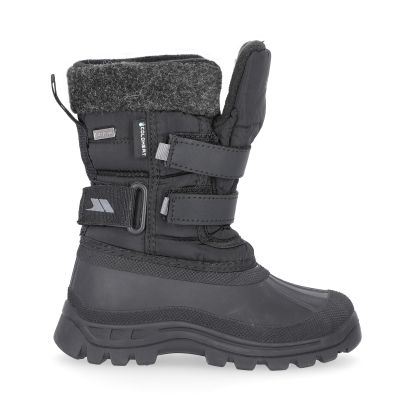


How to Pick the Right Kids Winter Boots
Children's footwear has a difficult job during winter. Boots may need to handle a frosty school run in the morning, muddy puddles in the afternoon and snow during weekend adventures, all while allowing growing feet to move naturally. Kids winter boots should therefore provide more than warmth alone. Waterproof protection, flexible soles, dependable grip and manageable fastenings can all affect how comfortable children are outdoors. Weight matters too, as unnecessarily heavy boots can make active play tiring.
Different winter settings call for different levels of coverage and protection. The depth of snow, amount of walking and likelihood of encountering water can help determine which type of boot will be most practical.
- Waterproof Snow Boots: These boots combine waterproof uppers with insulation to keep feet dry and warm when children are playing in snow, slush or shallow water.
- Tall Snow Boots: Extra height provides more coverage above the ankle and helps stop loose snow spilling into the top of the boot during active play.
- Fleece-Lined Boots: A fleece or faux fur lining creates a cosy interior that helps retain warmth during colder outings.
- Lightweight Winter Boots: Reduced weight makes these easier for little ones to walk and run in, particularly when boots are being worn regularly rather than only in deep snow.
- Winter Walking Boots: More structured footwear can provide support and durable soles for family walks, countryside paths and longer outdoor adventures.
Having boots suited to the conditions allows children to move comfortably without wearing heavier snow footwear when it is not necessary.
Materials and How They Work
A winter boot relies on several materials working together. The upper deals with outside moisture, the lining retains heat and the sole provides a stable barrier between the foot and cold or slippery ground.
- Waterproof Uppers: Protective outer materials prevent snow and shallow water passing easily into the boots.
- Waterproof Membranes: A membrane can provide an additional barrier against moisture while allowing the boot to remain more breathable.
- Fleece and Thermal Linings: These materials trap warm air around the feet and provide insulation during colder weather.
- Rubber Soles: Durable rubber is suitable for winter outsoles because it can incorporate deep tread patterns for improved grip.
- Removable Liners: Some boots include liners that can be taken out after use, making damp interiors easier to dry before the next adventure.
Together, these components help boots manage warmth, water and ground contact while remaining practical for regular winter use.
Children's boots should be practical enough for frequent use and straightforward enough for kids to manage themselves. Fit, fastening and weight deserve as much attention as insulation.
- Adjustable fastenings allow the boot to accommodate different sock thicknesses.
- Simple closures make boots easier for children to put on and remove independently.
- Taller uppers provide additional protection when walking or playing in deeper snow.
- Flexible soles allow the foot to move more naturally during walking and play.
- Thermal or fleece linings provide insulation without requiring several pairs of socks.
- Waterproof construction protects feet when snow begins to melt or puddles cover the path.
- Breathable materials help reduce dampness caused by perspiration inside the boot.
- Reflective details can improve visibility during darker winter mornings and evenings.
- Lightweight construction reduces unnecessary weight around the feet during longer periods outside.
A useful children's winter boot combines these practical details without making the footwear cumbersome or difficult to move in.
Children may use winter footwear for anything from a ten-minute journey to several hours outside. Considering where the boots will spend most of their time helps avoid choosing more protection or weight than the activity requires.
- School days: Look for lightweight boots with simple fastenings that children can manage without assistance. Waterproof protection is useful for rainy journeys and wet playgrounds.
- Playing in snow: A taller insulated snow boot helps prevent loose snow entering around the ankle while providing warmth during longer periods outside.
- Muddy parks: Waterproof boots with durable soles are useful when paths include puddles, mud and wet grass.
- Family walks: Flexible soles, comfortable cushioning and secure fastenings support children who will be covering greater distances.
- Icy weather: Prioritise boots with deep tread and stable soles to provide better traction on slippery surfaces.
- Very cold outings: Insulated designs with fleece or thermal linings provide greater warmth, particularly when children will spend extended periods outdoors.
The most practical pair will provide enough protection for the setting while remaining light and comfortable enough for children to enjoy moving around.
-
How should kids winter boots fit with room to grow?
- Children's winter boots need enough space for the toes to move and for winter socks to fit comfortably, but buying substantially oversized boots can reduce support and make walking awkward. Check the fit while your child is wearing the socks they will normally use with the boots. Adjustable fastenings can help create a secure fit as sock thickness changes, while a natural foot shape allows the toes to sit comfortably without being compressed.
-
Are kids winter boots waterproof?
- Some are, but waterproofing depends on the individual product rather than the name alone. Boots designed for wet winter conditions may use waterproof uppers, sealed seams or membranes to help keep feet dry in snow and shallow water. Insulation and waterproofing are separate features, so a warm fleece-lined boot is not automatically waterproof. Check the product specifications when waterproof protection is important for snow, puddles or consistently wet conditions.
