We value your privacy. We use Cookies to improve your website experience. We also use third-party cookies for marketing purposes.
Cookies are used for ads personalisation. For more info, visit our Privacy Policy.


-
-
-

-
-
-
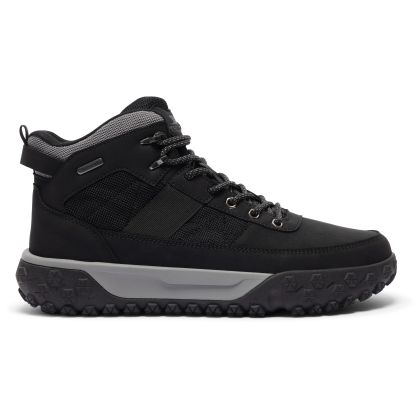 Mens Casual Boots Mode in Black€148.00
-
-
-
-
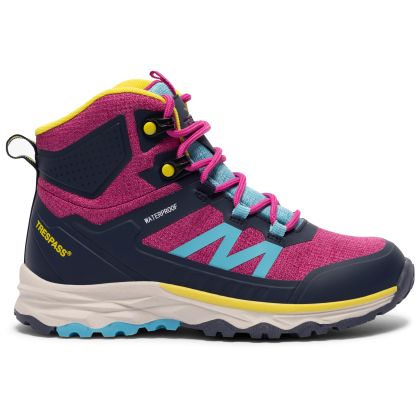
-
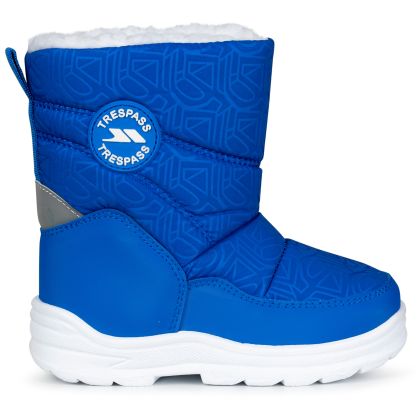
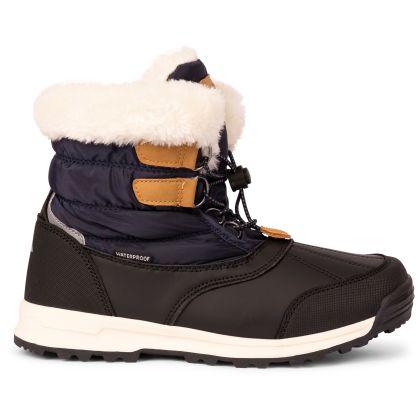
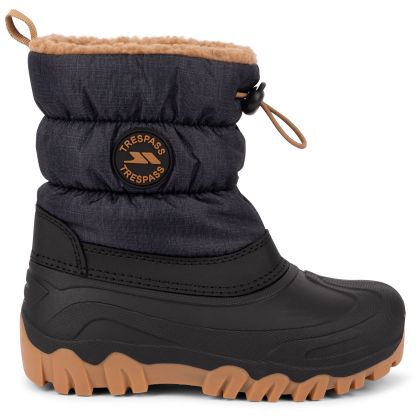 Kids Snow Boots Luca in Navy€65.00
-
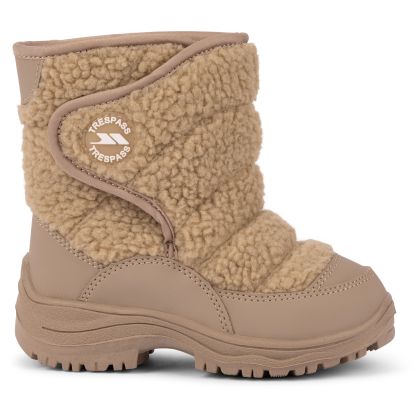
-
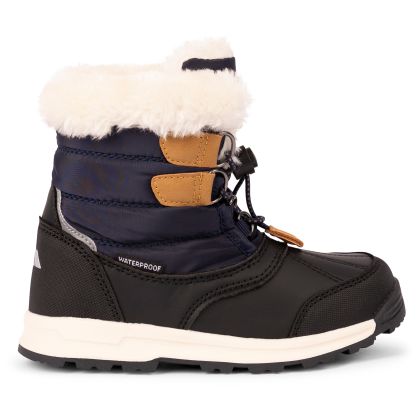
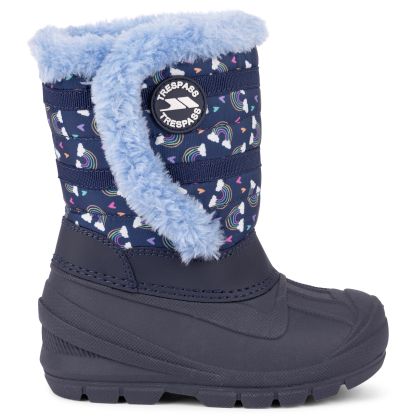 Kids Snow Boots Runa in Navy€31.00
-
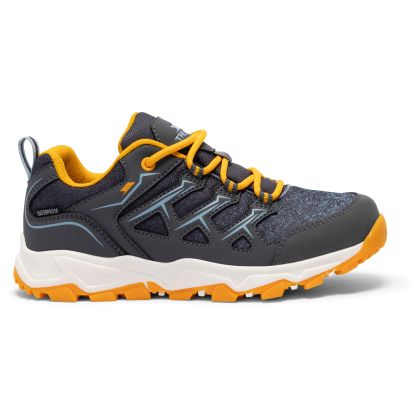
-
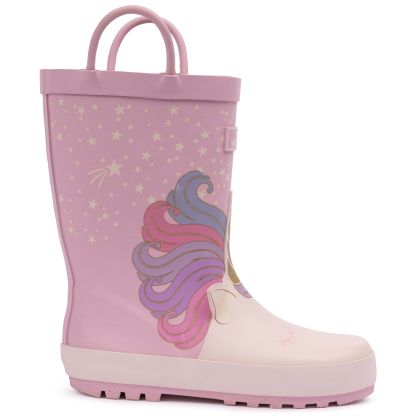
-
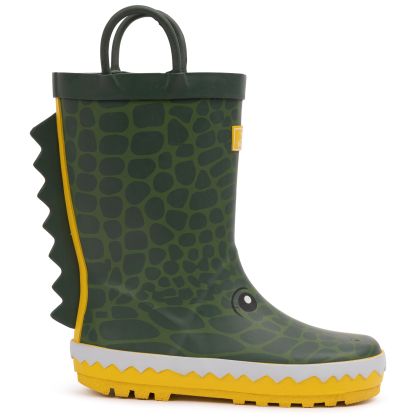
-
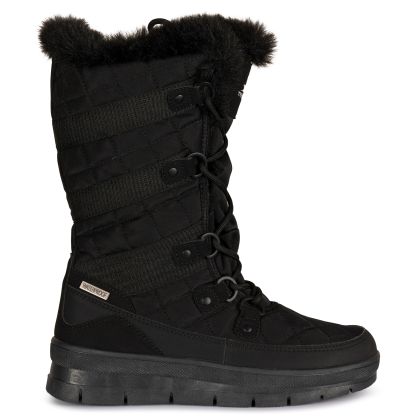
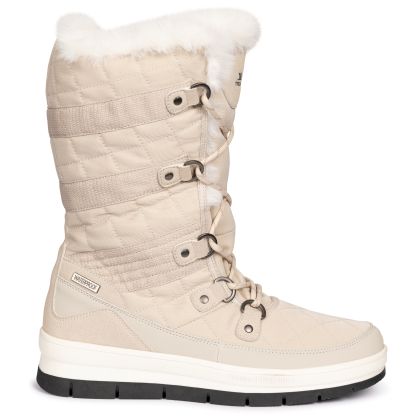
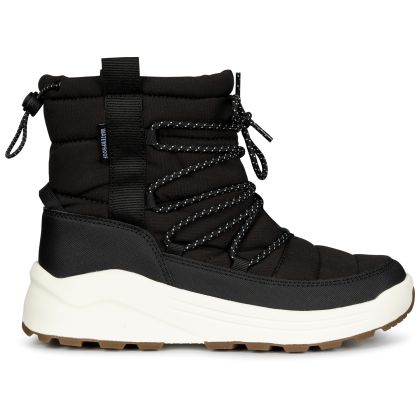 Womens Waterproof Snow Boots Indie in Black€24.99 Was €115.99
-
-

-
-
-
-
-
-
-
-
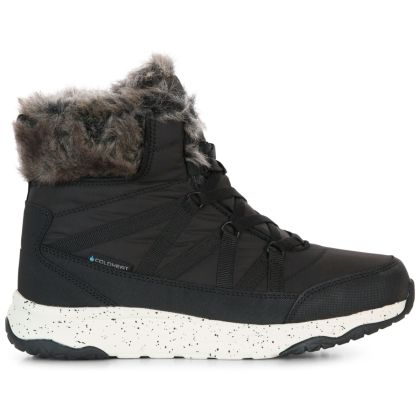
-
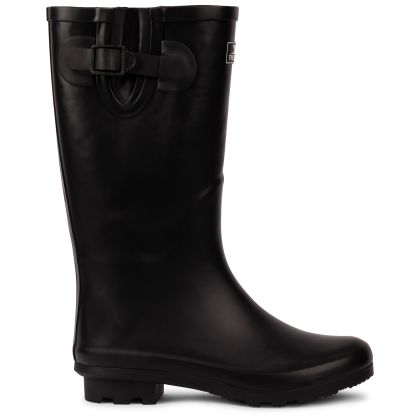
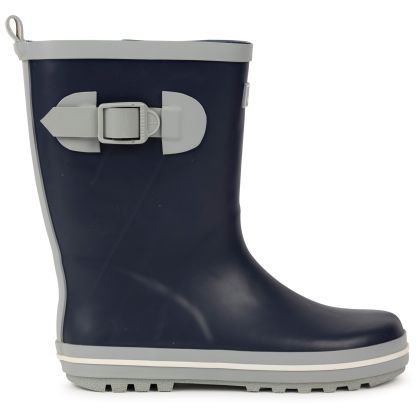 Kids Wellies Trumpet in Navy€45.00
-
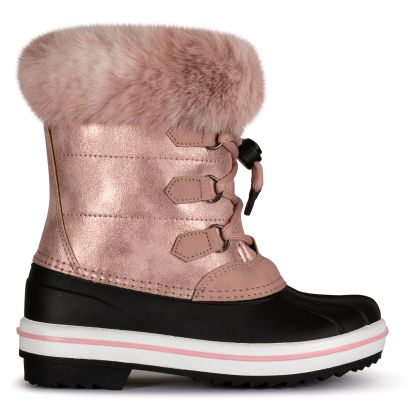
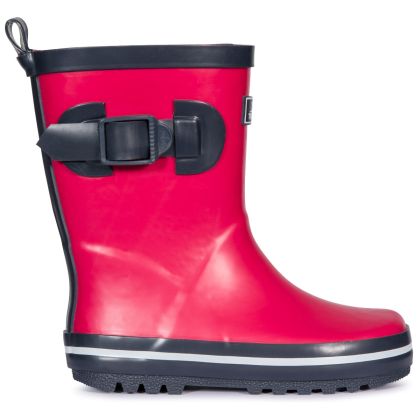 Kids Wellies Trumpet in Pink€45.00
-
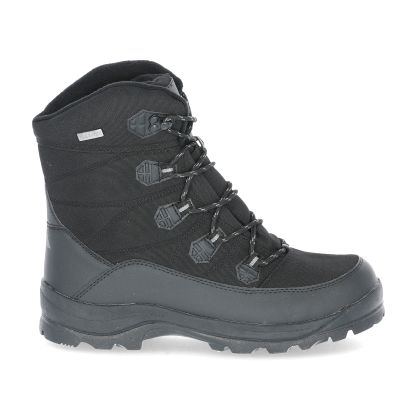
-

-
-
-
-
-


Guide to Buying Winter Boots
Cold ground, standing water and slippery paths place very different demands on footwear than an ordinary dry day. Winter boots are made to provide greater warmth, protection and stability when temperatures fall, with options ranging from lighter pairs for everyday wear to insulated snow boots for more demanding conditions. Waterproof construction can help keep your feet dry, while insulation reduces heat loss and suitable outsoles provide traction on difficult surfaces. The best pair should reflect where you plan to wear them, how long you will be outside and the type of winter weather you are likely to encounter.
Winter footwear covers more than one type of boot. Some designs prioritise insulation for snow, while others balance protection with the lighter construction needed for walking, commuting or regular outdoor use.
- Insulated Winter Boots: Built-in insulation helps retain warmth during prolonged exposure to cold conditions. These boots can be useful for outdoor activities where keeping your feet warm is a priority.
- Snow Boots: Snow boots generally provide greater coverage and protection against snow and slush. Higher designs can help prevent snow entering from above, particularly in deeper conditions.
- Quilted Snow Boots: A quilted exterior combines insulation with a comfortable winter design. Many styles feature water-resistant uppers, adjustable closures and slip-resistant outsoles.
- Winter Hiking Boots: These combine the support associated with hiking boots with features suited to colder terrain, such as substantial soles, durable uppers and improved traction.
- Everyday Winter Shoes and Boots: Lighter footwear can be more comfortable for commuting, casual outings and shorter periods outside where extreme cold or deep snow is unlikely.
These different styles allow winter footwear to cover everything from routine journeys to snowy outdoor adventures without requiring the same level of insulation for every situation.
Materials and How They Work
Materials determine how well boots deal with moisture, cold ground and repeated outdoor use. The upper, insulation and outsole each perform a different role, so their construction should be considered together.
- Leather: Leather provides a durable upper and can offer useful resistance to winter weather when appropriately treated and maintained.
- Synthetic Fabrics: Materials such as nylon can reduce overall weight while being used in protective winter uppers.
- Fleece Insulation: Built-in fleece insulation adds warmth by trapping air around the foot. The supplied guidance notes that some boots use approximately 100g to 300g of fleece insulation.
- Rubber: Rubber is commonly used around the outsole and lower boot because it provides durability and helps create a barrier between the foot and wet ground.
A combination of protective uppers, insulation and substantial soles can keep winter boots comfortable without relying on one material to perform every job.
The most useful features are those that address the winter conditions you regularly encounter. Consider moisture, snow depth, grip and fit alongside the appearance of the boots.
- Waterproof construction helps prevent rain, slush and melting snow reaching the feet.
- Sealed seams reduce potential entry points for moisture around joined sections of the upper.
- Insulated linings help retain heat during longer periods in cold weather.
- Deep outsole lugs provide greater traction on snow and uneven winter ground.
- A substantial sole adds separation between the foot and cold surfaces.
- Higher boot shafts provide extra coverage and can help prevent snow entering from above.
- Lace-up designs allow the fit to be adjusted around the foot and ankle.
- Cushioned insoles can improve comfort during longer periods of walking.
- Breathable construction helps reduce moisture accumulation when activity levels increase.
- Gaiter-compatible designs can provide additional snow protection for more demanding outdoor use.
These features help winter boots provide a combination of warmth, weather protection and secure footing rather than focusing on insulation alone.
The amount of protection required changes considerably between a short journey through town and several hours spent outdoors. Think about the surface, expected weather and length of use before deciding how substantial your footwear needs to be.
- Everyday winter wear: Lighter winter boots provide useful protection without the weight of footwear designed for deep snow or extreme cold.
- Walking: Prioritise cushioning, a secure fit and durable soles that remain comfortable over longer distances.
- Snowy days: Snow boots with higher shafts, insulation and waterproof protection can help keep feet warm and dry when moving through snow and slush.
- Winter hiking: Supportive hiking boots with dependable traction, weather-resistant construction and enough room for suitable socks are important on colder trails.
- Icy conditions: Look for deep, well-defined outsole lugs and a stable sole that can provide better contact with difficult winter surfaces.
- Prolonged cold: Greater insulation becomes more important when spending extended periods outside, particularly when there is limited continuous movement.
Footwear suited to the actual conditions provides more useful winter protection than simply choosing the heaviest or most insulated pair available.
-
What is the difference between winter boots and snow boots?
- Winter boots cover a broad range of footwear designed to provide warmth and protection during colder weather, including lighter options for everyday use and more substantial outdoor styles. Snow boots are more specifically intended for snowy and slushy conditions, so they commonly provide stronger moisture protection, insulation and higher coverage around the lower leg. The better choice depends on whether you mainly encounter cold weather or regularly walk through snow.
-
Should winter boots be a size bigger for thick socks?
- Not automatically. Winter boots should provide enough room for wool or synthetic winter socks without squeezing the foot, as compression can reduce comfort and restrict the insulating air around the toes. Start with your usual size and assess the fit while wearing the type of socks you intend to use. Depending on the individual boot, a half size larger may provide a better fit, but unnecessarily oversized boots can reduce support and stability.
