We value your privacy. We use Cookies to improve your website experience. We also use third-party cookies for marketing purposes.
Cookies are used for ads personalisation. For more info, visit our Privacy Policy.


-
-
-
-
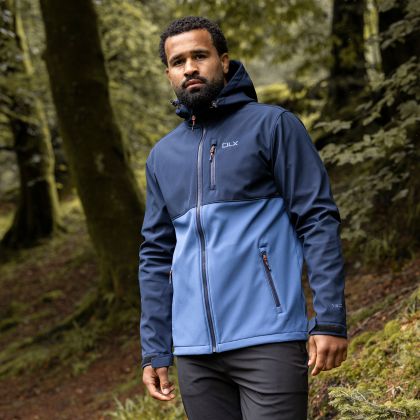
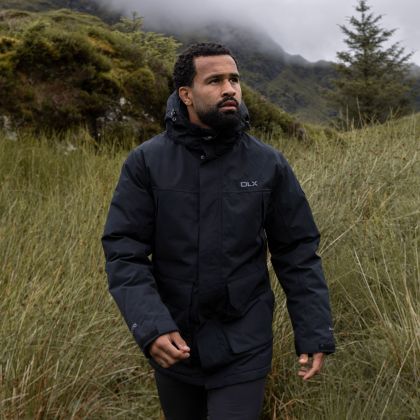
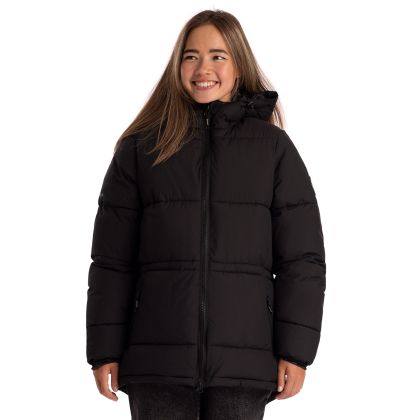
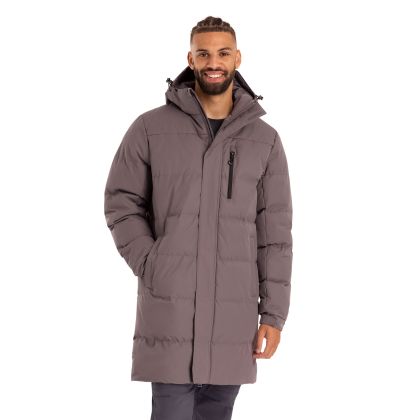
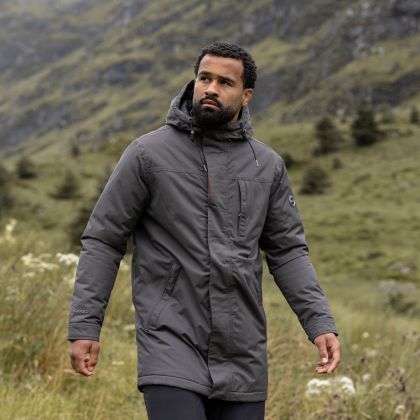 DLXDLX Mens Padded Waterproof Jacket Macleod in Charcoal€96.99 Was €240.99
-
 DLX
-
-
-
-
-
 DLX
-
-
-
-
-
-
-
-
-
-
-
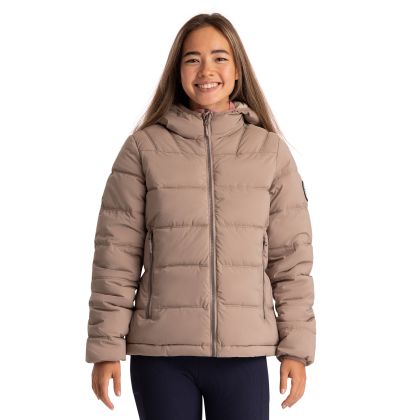
-
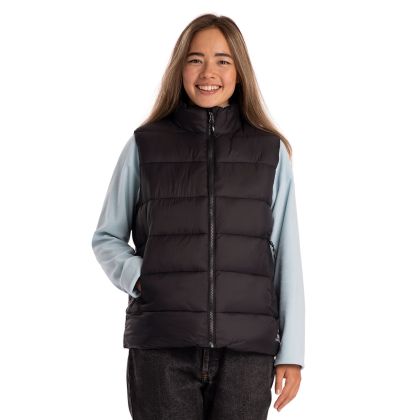
-
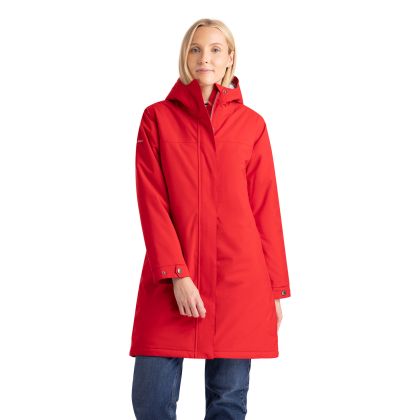
-
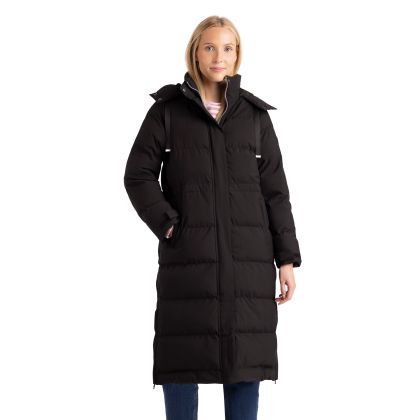
-
-
-
-
-
-
 DLX
-
 DLX
-
 DLX
-
-
-
-
-
-
-
-
-

-
-

-
-
-
-
-
 DLX


Guide to Buying Winter Jackets
A winter jacket has to preserve warmth while still allowing you to move comfortably through your day. That can mean standing at a cold train platform, walking through strong wind, heading into the hills or spending hours outside when temperatures are low. Winter jackets differ considerably in insulation, length and weather protection, so a heavily padded option is not automatically best for every situation. Puffer jackets provide efficient insulation, parkas extend coverage further down the body, and technical styles add protection for more demanding outdoor activities. The amount of insulation should also leave enough room for a warm jumper underneath without restricting the shoulders or arms.
Jacket construction changes according to how and where it is expected to be worn. Some winter coats concentrate heavily on insulation, whereas others combine warmth with rain, snow or wind protection.
- Puffer Jackets: Quilted chambers hold insulating fill in position, creating a warm jacket without requiring a particularly rigid construction. A puffer jacket can work well for everyday cold weather and outdoor use.
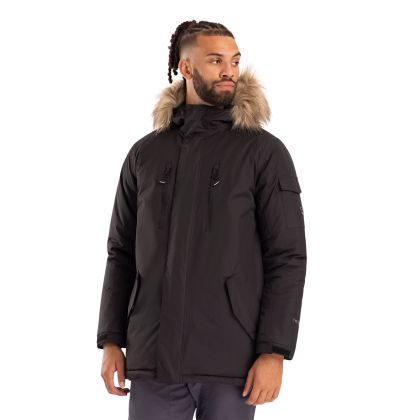
- Long Parkas: The extended cut covers more of the hips and upper legs. Parkas may use down or synthetic insulation and often include adjustable details for greater protection.
- Quilted Jackets: These offer lighter insulation and can be useful during milder winter temperatures or when you want less bulk for everyday wear.
- Ski Jackets: Built for winter sports, ski jackets combine insulation with waterproof and breathable protection for time on the slopes.
- Expedition Jackets: Heavily insulated parkas are intended for extreme cold, where retaining body heat becomes the overriding priority.
Each construction serves a different level of exposure, allowing winter coats to range from lighter daily layers to specialised protection for severe weather.
Materials and How They Work
What sits inside a jacket can be just as important as its outer fabric. Insulation determines how efficiently warmth is retained, while the shell influences durability and resistance to the elements.
- Down: Down creates loft that traps warm air while maintaining a strong warmth-to-weight ratio. Higher fill-power down can provide greater insulation relative to its weight.
- Synthetic Insulation: Polyester-based insulation remains effective when damp, making it particularly useful where changing winter weather may introduce moisture.
- Hybrid Insulation: Some parkas combine down with synthetic fill, positioning synthetic insulation in areas more likely to become wet.
- Nylon: Durable nylon can be used for protective outer shells, providing a lightweight barrier around the insulation.
- Wool: Wool is naturally breathable and provides warmth in winter coats while offering a very different construction from padded outdoor jackets.
The best material depends on whether low weight, damp-weather performance, durability or maximum insulation is most important for the intended use.
Winter coat features should help control heat, block exposed areas or provide protection against the weather. The details worth prioritising will depend on whether the jacket is mainly for city use, outdoor activities or harsher winter conditions.
- An insulated hood provides direct warmth around the head when temperatures fall sharply.
- Adjustable cuffs reduce gaps around the wrists where cold air could enter.
- Storm flaps provide additional coverage around front fastenings.
- A longer hem extends insulation across more of the body.
- Windproof outer fabrics reduce heat loss in exposed conditions.
- Water-repellent finishes provide useful protection during light rain or brief showers.
- Waterproof construction is more appropriate when prolonged rain or snow is expected.
- Secure pockets protect everyday essentials while keeping them readily accessible.
- Two-way front zips can provide greater freedom of movement in longer coats.
- Adjustable hems or waist details allow the jacket opening to be drawn closer to the body.
These features improve the jacket's ability to retain warmth and provide coverage while still allowing comfortable movement throughout winter.
A jacket worn mainly for commuting does not need to perform the same job as one used for skiing or prolonged exposure to severe cold. The length of time outside and intensity of the activity both influence how much insulation is comfortable.
- Commuting: A mid-length insulated coat can provide practical warmth while remaining manageable on public transport and during indoor transitions.
- Everyday wear: A puffer jacket or lighter quilted style works well when you regularly move between heated buildings and outdoor temperatures.
- Countryside walks: Wind resistance and weather protection become more useful, particularly on open routes where shelter is limited.
- Skiing: A waterproof, breathable ski jacket provides protection from snow while allowing heat and moisture generated through activity to escape.
- Wet winter weather: Synthetic insulation is particularly practical because it can continue retaining heat when damp.
- Extreme cold: A long, heavily insulated parka provides greater body coverage and is specifically suited to prolonged exposure to very low temperatures.
The most useful jacket provides enough warmth for the setting without becoming unnecessarily cumbersome when you are walking, travelling or spending time indoors.
-
What type of jacket is warmest for winter?
- For severe cold, a long, heavily insulated parka is generally the warmest type because it combines substantial insulation with greater coverage across the body. Expedition parkas use high-performance insulation specifically for very low temperatures, while puffer jackets can also provide excellent thermal efficiency. Down offers a particularly strong warmth-to-weight ratio, although synthetic insulation can be more practical where damp weather is expected.
-
Should a winter jacket have a hood?
- A hood is useful but not essential for every winter jacket. It provides additional coverage around the head and neck when cold wind, rain or snow arrives, and an insulated hood can make a noticeable difference in very low temperatures. For commuting or everyday wear, a hood also means you have weather protection available without carrying a separate hat. If the jacket will mainly be worn in milder conditions, a removable hood can provide greater flexibility.
