We value your privacy. We use Cookies to improve your website experience. We also use third-party cookies for marketing purposes.
Cookies are used for ads personalisation. For more info, visit our Privacy Policy.


-
 DLX
-
-
-
-

-
-

-
-
-
 DLX
-
 DLX
-
-
-
-
 DLX
-
 DLX


How to Choose the Best Mens Winter Jackets
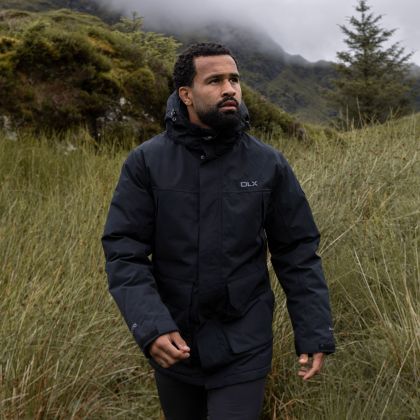
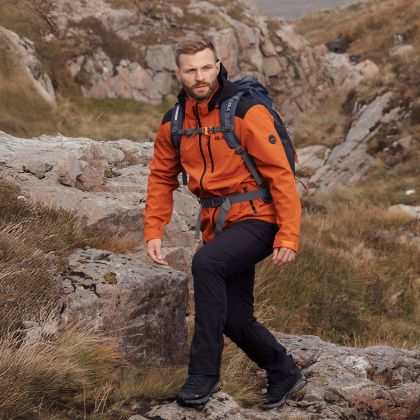
A jacket that feels comfortable during a brisk walk can become too warm on a steep trail, while the same garment may offer too little insulation when standing outside for long periods. Mens winter jackets therefore need to suit both the temperature and the amount of movement involved. Breathable options are valuable for hiking and cycling, while parkas provide greater insulation for freezing temperatures and snow. Other winter jackets use removable layers, waterproof shells or wind-resistant construction to handle less predictable conditions. Fit matters too: there should be space for winter layers without leaving large gaps that allow cold air to circulate.
Men's winter outerwear covers everything from technical multi-layer systems to traditional wool coats. Looking beyond insulation alone helps distinguish jackets intended for active outdoor use from those better suited to less strenuous winter days.
- 3-in-1 Jackets: A waterproof shell and removable insulated layer can be combined in cold, wet weather or separated when only one layer is required.
- Winter Bomber Jackets: Winterised bomber jackets use heavier materials and may include shearling-style linings for additional insulation while retaining a shorter cut.
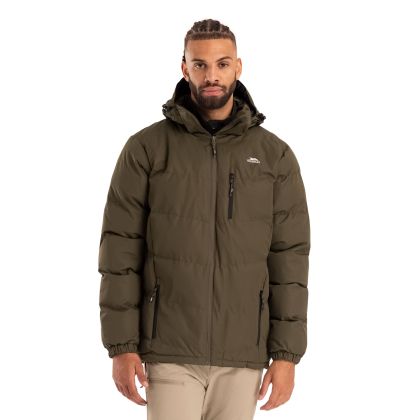
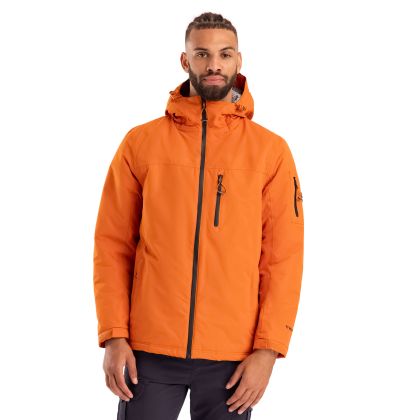
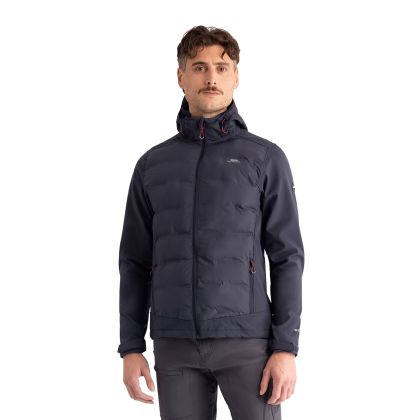
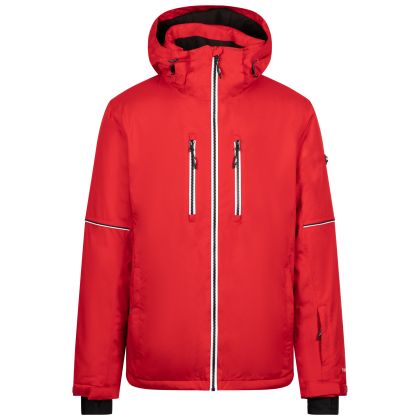
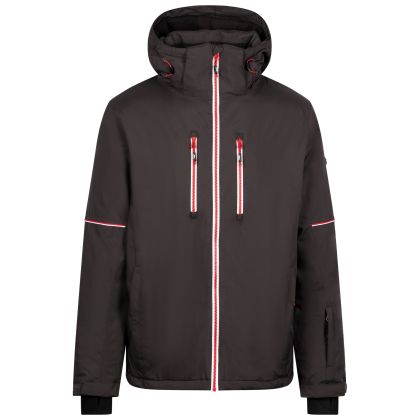
- Insulated Shell Jackets: These combine a protective exterior with built-in insulation, providing warmth alongside protection from winter weather.
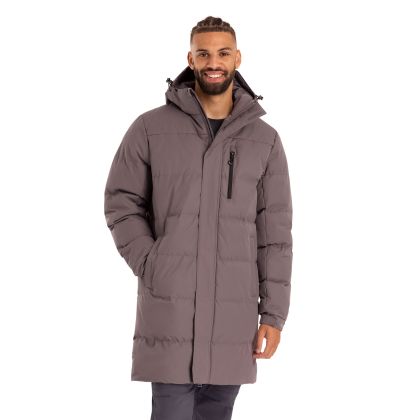
- Wool Overcoats: Their longer construction provides additional coverage and enough space to accommodate clothing underneath, making them useful when a more traditional coat is preferred.
- Peacoats: Traditionally made from wool, peacoats have a distinctive double-breasted front and offer an alternative to padded outdoor jackets.
These different constructions allow mens winter jackets to serve technical activities, daily journeys and occasions where a traditional coat is more appropriate. surfer-guidelines-mens winter j…
Materials and How They Work
The performance of winter jackets depends on several layers working together. Insulation manages retained heat, while shell and lining materials influence wind resistance, moisture protection and comfort.
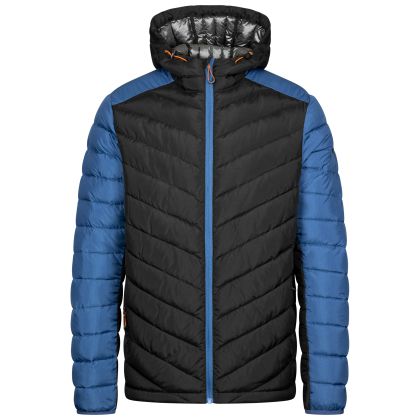
- Down: Down provides substantial warmth relative to its weight, making it useful where efficient insulation is important. Its performance can deteriorate when the fill becomes wet.
- Synthetic Fill: Synthetic insulation handles damp conditions differently, retaining warmth more effectively than down when exposed to moisture.
- Wool: Wool is used in classic winter outerwear such as overcoats and peacoats, providing insulation within a heavier, more structured garment.
- Shearling-Style Linings: These can add a warmer inner surface to winterised bomber jackets and other cold-weather designs.
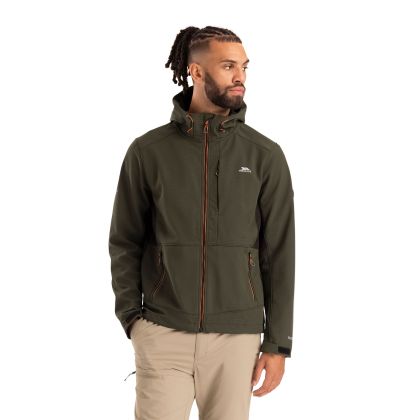
- Breathable Shell Fabrics: Technical shells allow internal moisture to escape while providing protection from the conditions outside, which is particularly useful during energetic activities.
Each material changes how a jacket performs, so insulation should be considered alongside the expected weather and intensity of use.
Small construction details influence how effectively mens winter jackets deal with wind, precipitation and temperature changes. Features should support the jacket's intended environment rather than simply adding bulk.
- Storm cuffs create a closer seal at the wrists and limit cold air entering through the sleeves.
- Storm flaps cover vulnerable zip areas and provide another barrier against wind.
- Fleece-lined handwarmer pockets give cold hands a sheltered place between activities.
- An adjustable insulated hood provides additional protection during wind and snow.
- A DWR finish helps light moisture bead away from the outer fabric.
- Breathable construction is particularly useful for hiking, cycling and winter sports.
- Removable insulation allows a 3-in-1 jacket to adapt to different temperatures.
- Windproof outer fabrics reduce the effect of cold air on exposed routes.
- Adjustable cuffs allow sleeve openings to be secured more closely around gloves or wrists.
- Sufficient internal room accommodates a base layer, fleece or sweatshirt without restricting movement.
Together, these details help winter jackets maintain useful protection without compromising movement or temperature control during their intended activity.
Time spent moving is an important consideration when deciding how much insulation is appropriate. More active pursuits generate additional body heat, whereas slower days outdoors usually require the jacket to provide more of the warmth.
- Hiking: Prioritise breathability and weather protection over very heavy insulation, particularly on routes involving sustained movement.
- Cycling: A wind-resistant jacket with good moisture management can provide protection without trapping excessive heat.
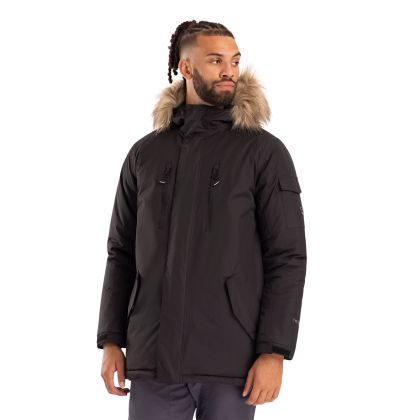
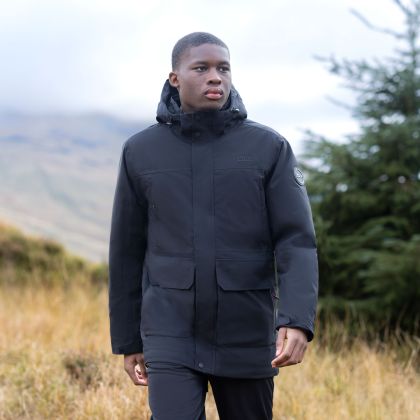
- Freezing temperatures: A well-insulated parka offers substantial warmth and coverage when prolonged cold is the main concern.
- Wet winter outings: An insulated waterproof jacket protects against precipitation while providing the warmth needed in low temperatures.
- Variable weather: A 3-in-1 jacket offers several configurations, allowing the shell and insulating layer to be used separately or together.
- Less active occasions: A wool overcoat or winterised bomber provides cold-weather coverage without the technical construction required for demanding outdoor activities.
Matching insulation to activity level allows men's winter jackets to remain comfortable through the parts of winter for which they are intended.
-
What fill power is best for a warm winter jacket?
- The supplied brief does not specify a particular fill-power figure, so there is no single rating that can be recommended from this guidance alone. It does confirm that down provides excellent warmth, although its insulating ability decreases when wet. Fill power also should not be considered in isolation: the quantity and distribution of down, jacket construction, fit and coverage all influence overall warmth. Synthetic insulation may be preferable when reliable performance in damp conditions is important.
-
What should I wear underneath a winter jacket in very cold weather?
- Use layers that can add warmth without making the jacket tight. A base layer can sit closest to the body, followed by a warmer mid-layer such as a fleece or sweatshirt before the winter jacket. The jacket should have enough internal space for these layers while still fitting closely enough to avoid large gaps around the body. For active pursuits, avoid excessive layering that could cause overheating, as breathability becomes more important when hiking or cycling.
