We value your privacy. We use Cookies to improve your website experience. We also use third-party cookies for marketing purposes.
Cookies are used for ads personalisation. For more info, visit our Privacy Policy.


-
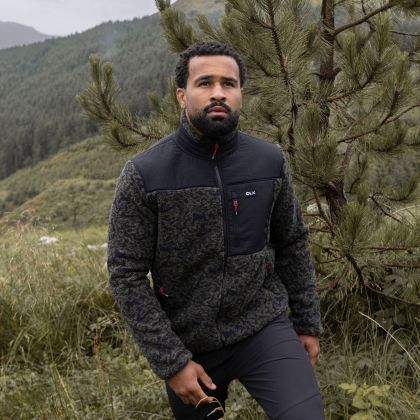 DLXDLX Mens Fleece Gordon in Camo€41.99 Was €104.99
-
-
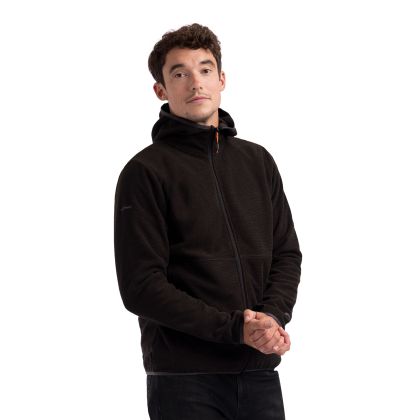 Mens Full Zip Fleece Brian in Charcoal€18.99 Was €67.99
-
-
-
-

-
 DLX
-

-
-

-
-
-
-
-
-
-
-
-
-
-
-
-
-
-
-
-

-


Guide to Buying Mens Winter Fleeces
A fleece earns its place in a winter clothing system by providing insulation without the weight and restriction of a heavily padded garment. For men who spend time walking, hiking, travelling or working outdoors, it can sit comfortably between a base layer and protective shell, while more substantial styles can be worn over everyday clothing in dry conditions. Mens winter fleeces range from streamlined technical layers to plush Sherpa designs, so the most suitable option depends on how active you will be, the level of warmth required and whether another jacket will be worn over the top.
Construction can change how a fleece fits beneath other clothing, how easily heat can be released and how much protection it provides around the upper body. Looking beyond thickness helps distinguish fleeces intended for energetic outdoor use from those made primarily for warmth and casual comfort.
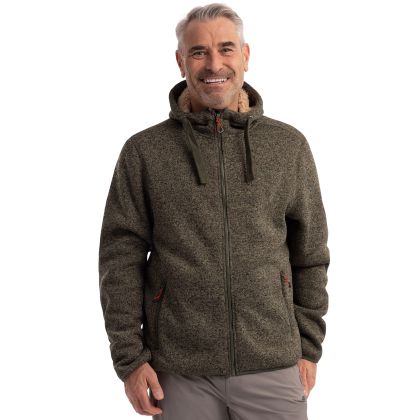
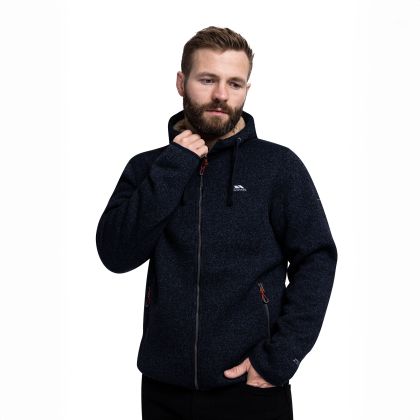
- Technical Fleece Hoodies: Built with active use in mind, technical fleece hoodies provide insulation while maintaining mobility. A fitted hood can also add useful head and neck coverage beneath an outer shell.
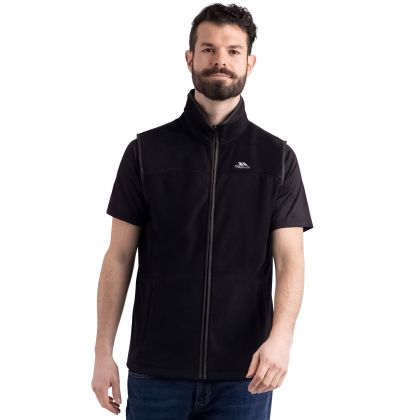
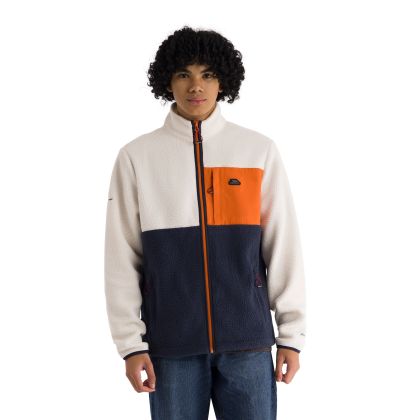
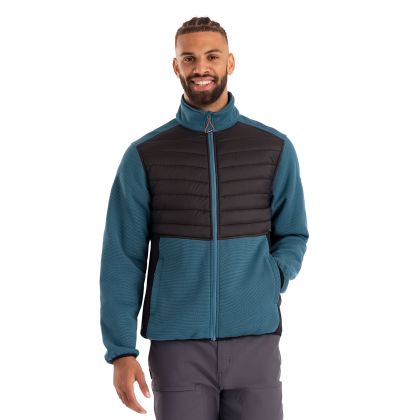
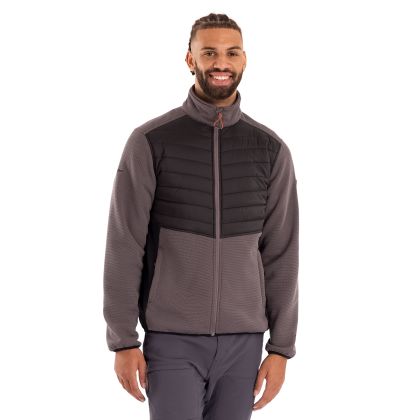
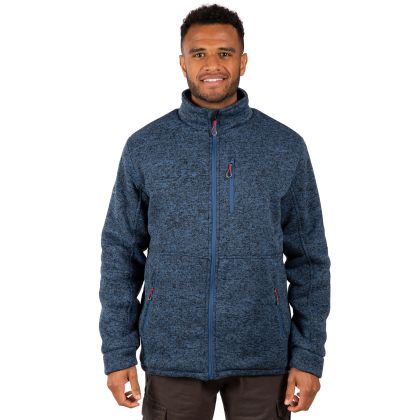
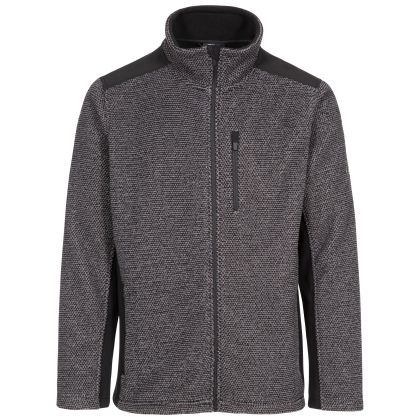
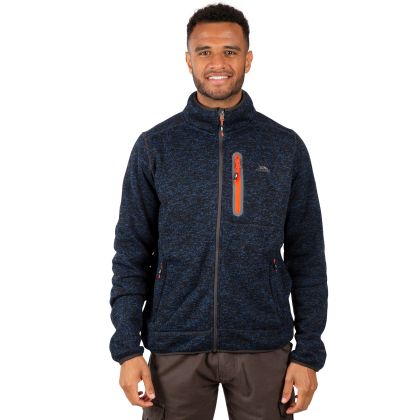
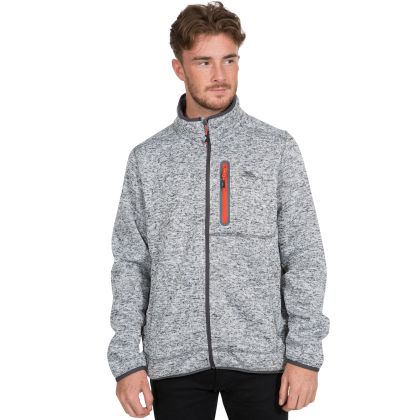
- Full Zip Fleeces: The front opening makes these particularly adaptable when temperatures fluctuate. They can be opened substantially during activity and removed without disturbing other layers.
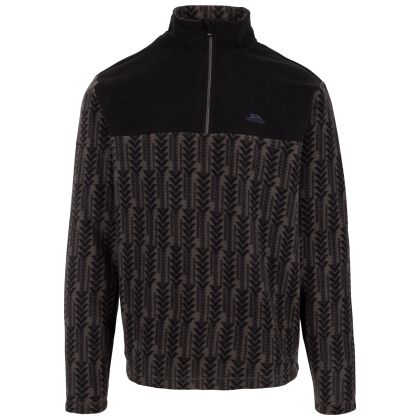
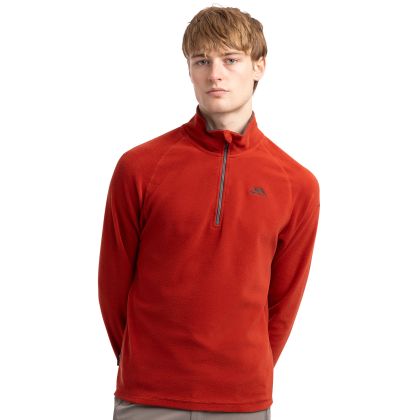
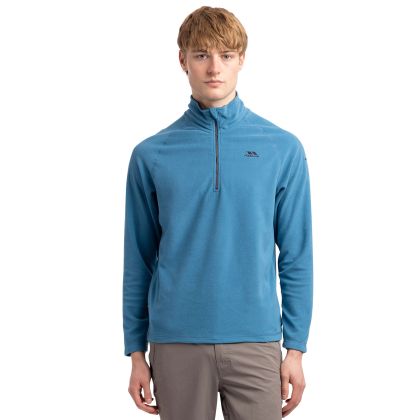
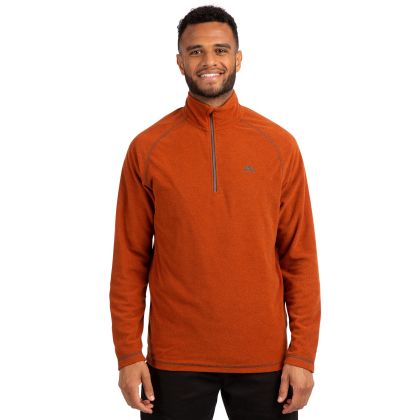
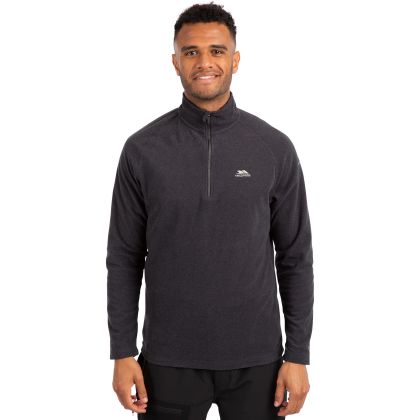
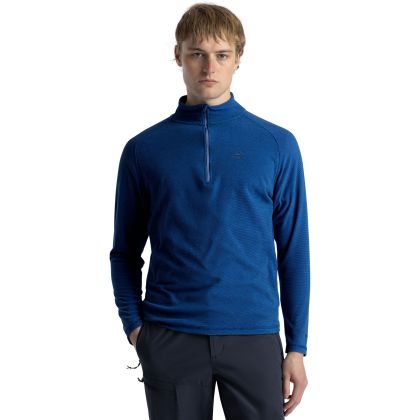
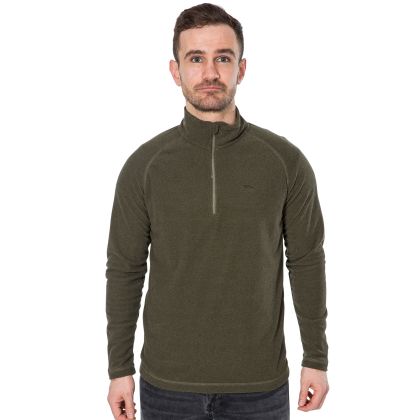
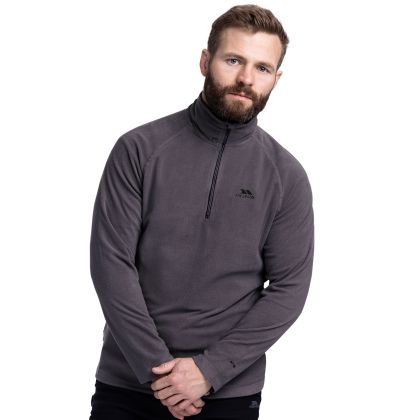
- Half Zip Fleeces: With less zip hardware through the front, a half zip can feel less bulky beneath another jacket. It retains continuous insulation across most of the torso while still offering some ventilation at the chest.
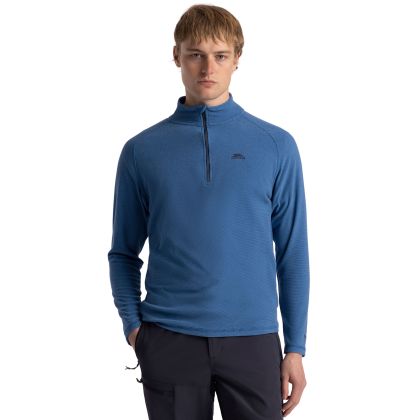
- Quarter Zip Fleeces: Quarter zip styles provide a simple pullover construction with a shorter neck opening. They are useful when consistent torso coverage is preferred over the extensive ventilation of a full zip.
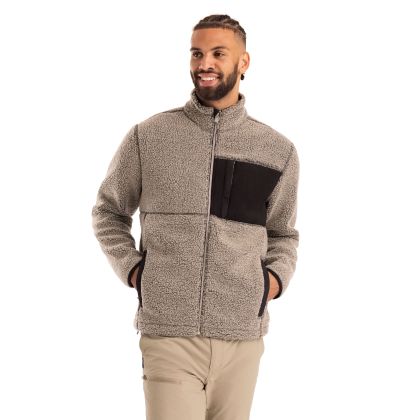
- Sherpa Fleeces: The deeper, textured pile gives Sherpa fleece a warmer feel and makes it particularly suitable for casual winter wear, relaxed walks and lower-intensity days outdoors.
Rather than serving the same purpose, these designs cover different parts of a winter wardrobe, from low-bulk hiking layers to warmer standalone options.
Materials and How They Work
Fleece performance is influenced by the structure of its fibres as much as the thickness of the finished garment. Winter layers may prioritise heat retention, moisture management or reduced bulk depending on their intended use.
- Polyester: Polyester is widely used because its fibres can trap insulating air while remaining relatively light. It is also well suited to garments designed to dry quickly after perspiration or light moisture.
- Recycled Polyester: Modern fleece can incorporate fibres produced from post-consumer plastics, providing similar practical qualities while making use of recycled material.
- Sherpa Fleece: Its raised, plush surface creates greater loft, making it a useful construction when warmth and a soft feel are priorities.
- Stretch Synthetic Blends: Technical garments may combine polyester with flexible fibres to improve movement around the shoulders, arms and torso during hiking and other active pursuits.
- Wind-Resistant Fabrics: Some fleeces incorporate construction intended to reduce wind penetration. This can make them more useful in exposed settings where ordinary fleece fabric may allow cold air to pass through.
Material choice therefore affects more than warmth alone. A lower-bulk synthetic fleece can perform effectively beneath a shell, while a loftier fabric is better placed where greater insulation is the main requirement.
Once the general fleece style has been decided, smaller construction details can influence how well it performs during repeated winter use. Pay particular attention to areas where cold air can enter and features that affect comfort beneath other clothing.
- A high collar extends insulation upwards and reduces direct exposure around the neck.
- Elasticated cuffs create a closer closure around the wrists and help retain warmth inside the sleeves.
- An elasticated or adjustable hem can reduce gaps around the lower edge of the fleece.
- Thumbholes help athletic fleece sleeves remain extended over the wrists during movement.
- Zipped hand pockets keep keys and other small essentials more secure than open pockets.
- Moisture-wicking fabric is valuable for hiking and active outdoor use where perspiration needs to move away efficiently.
- Quick-drying construction prevents a fleece being damp for unnecessarily long periods after activity.
- Wind-resistant panels or fabrics provide an additional barrier when a fleece is exposed rather than covered by a shell.
- A hood adds adaptable coverage for the head and can be particularly useful on technical mid layers.
Together, these details help maintain insulation around vulnerable openings while keeping the garment practical for movement, storage and changing activity levels.
The amount of insulation needed is closely connected to pace. Continuous movement produces body heat, whereas standing around, travelling or taking frequent breaks places greater emphasis on retaining warmth.
- Winter hiking: Look towards lightweight or mid-weight technical fleece that can fit comfortably beneath a protective shell. Moisture-wicking fabric is valuable on climbs, while a high collar and close cuffs provide useful coverage when the pace slows.
- Hill walking: A mid-weight fleece provides an adaptable insulating layer that can remain useful through changes in elevation and temperature. Zipped pockets are particularly practical for carrying smaller essentials securely.
- Active outdoor pursuits: Prioritise a streamlined fit, quick-drying fabric and unrestricted movement. A technical fleece hoodie can provide insulation without the bulk associated with heavier casual designs.
- Cold, relaxed walks: A heavier fleece or Sherpa construction can provide more substantial warmth when you are moving at a slower pace and generating less body heat.
- Everyday winter wear: Full zip, half zip and quarter zip fleeces can all work well over T-shirts or other light layers. The decision can come down to preferred coverage and how frequently you expect to adjust or remove the garment.
- Exposed conditions: A wind-resistant fleece can provide some additional protection, but it should still be combined with suitable outerwear when the weather becomes more demanding.
The strongest option is the one that provides enough insulation for the pace of the activity while still fitting comfortably with the rest of your winter clothing.
-
Is a fleece a good mid-layer for winter hiking?
- Yes. Fleece provides warmth without necessarily adding the bulk of a heavily insulated jacket, which makes it particularly useful between a base layer and outer shell. For winter hiking, lightweight or mid-weight technical fleece is usually more practical than a very heavy style because it allows better moisture management as your body temperature rises. Quick-drying fabric and a close but unrestricted fit can also improve comfort over longer routes.
-
Is a full zip or half zip fleece better for winter?
- Neither is automatically better because the two designs offer different advantages. A full zip fleece gives you greater control over ventilation and is convenient to remove when moving between indoor and outdoor settings. A half zip has less hardware across the torso and can sit neatly beneath a winter jacket while maintaining more continuous insulation across the front. For active or changeable use, full zip offers flexibility; for straightforward layering, half zip can be a comfortable choice.
