We value your privacy. We use Cookies to improve your website experience. We also use third-party cookies for marketing purposes.
Cookies are used for ads personalisation. For more info, visit our Privacy Policy.


-
-
-
-
-
-
-
-
-
-
-
-
-
-
 DLX
-
 DLX
-
-
-
-
-
-

-
-
-
-
-
-
-


How to Choose the Best Womens Winter Fleeces
Fleece can provide a useful insulating layer when a jumper feels too light but a bulky winter coat is more than you need. Womens winter fleeces cover everything from slim microfleece layers for energetic days to thicker styles that provide added warmth in colder settings. They can be worn beneath weatherproof jackets, paired with walking trousers for the trail or used for everyday comfort. The key differences lie in fabric weight, breathability, fit and opening style, all of which influence where a fleece works best.
The way a fleece is constructed affects both its coverage and how conveniently it can be layered. Rather than treating every fleece jacket as interchangeable, consider how much ventilation, insulation and freedom of movement you want.
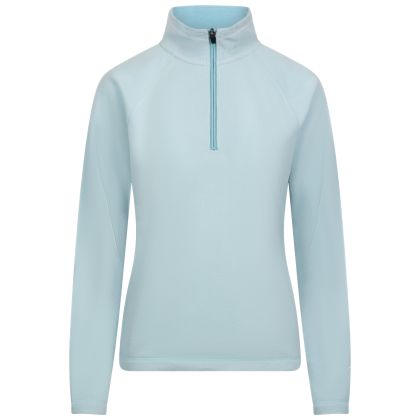
- Microfleece: Thin, lightweight and breathable, microfleece suits women who remain active outdoors. Its low bulk also makes it easy to fit beneath another jacket.
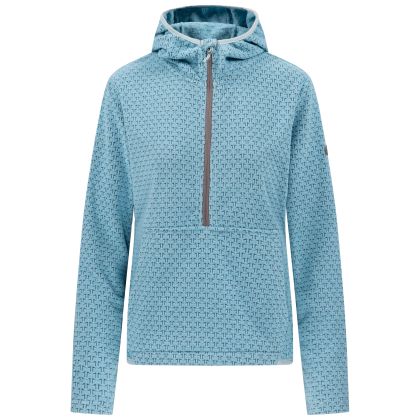
- Grid Fleece: A textured interior creates small areas that hold warm air while reducing unnecessary fabric. This gives grid fleece a useful warmth-to-weight balance for active pursuits.
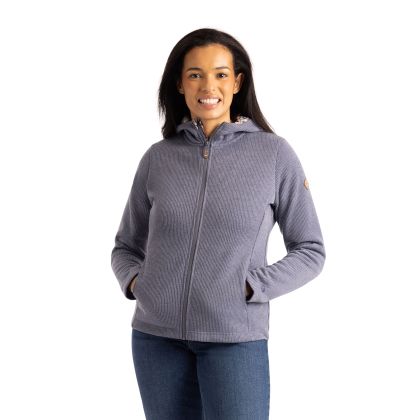
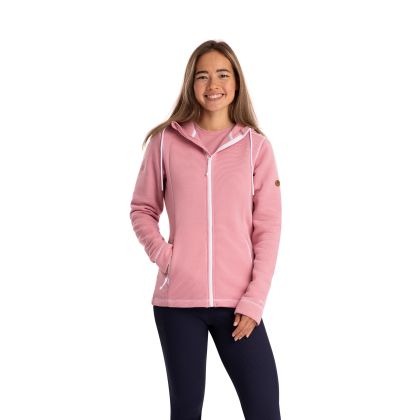
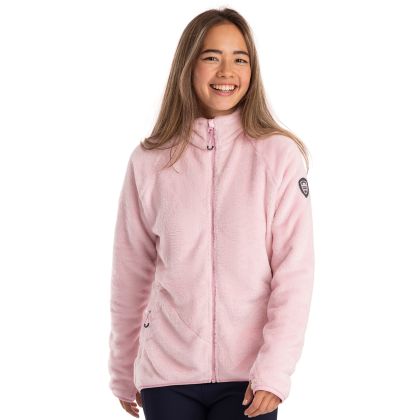
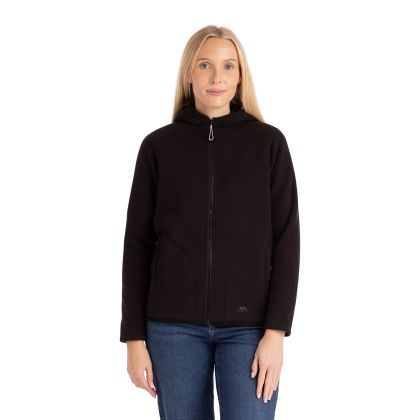
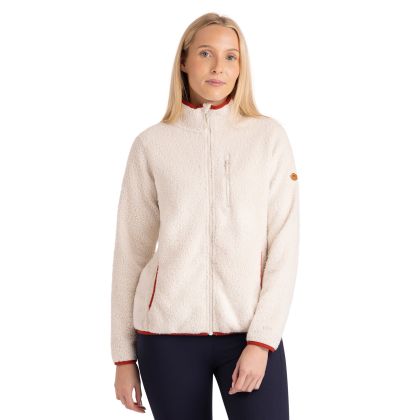
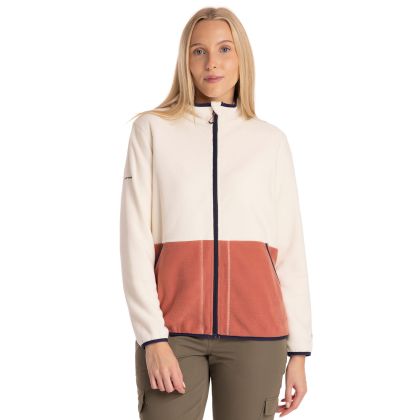
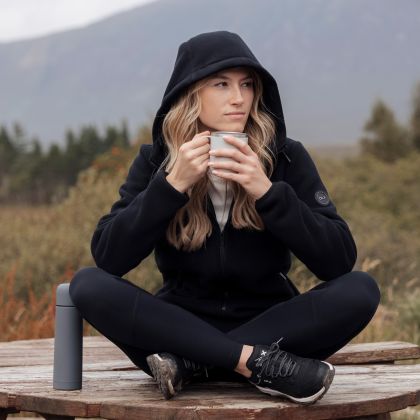
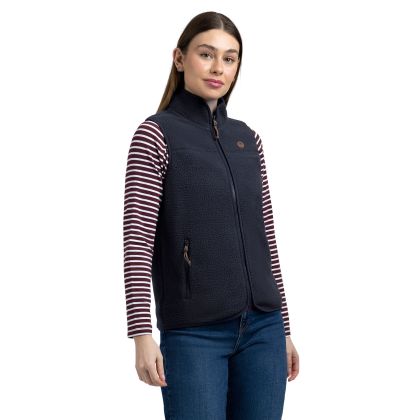
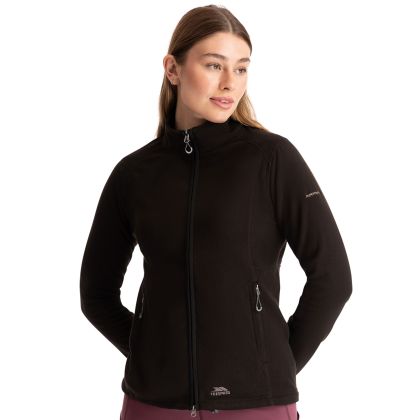
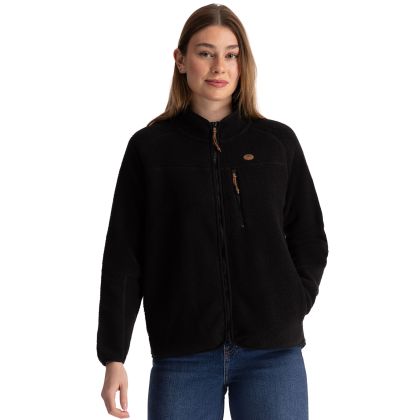
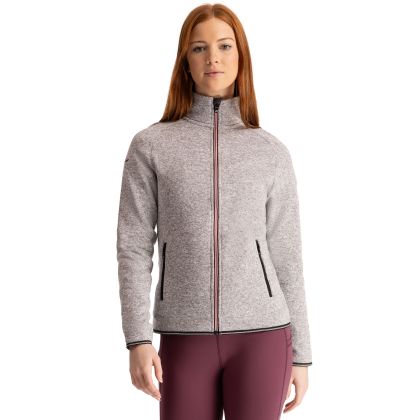
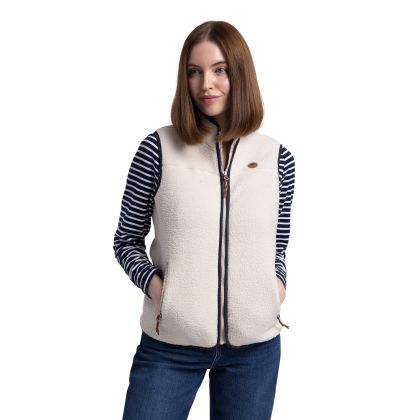
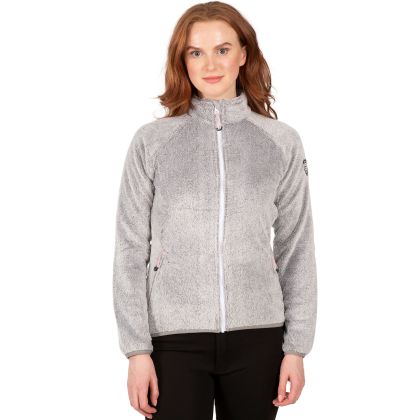
- Full Zip Fleece: A full zip allows the entire front to be opened, providing effective temperature adjustment and making the garment easy to add or remove.
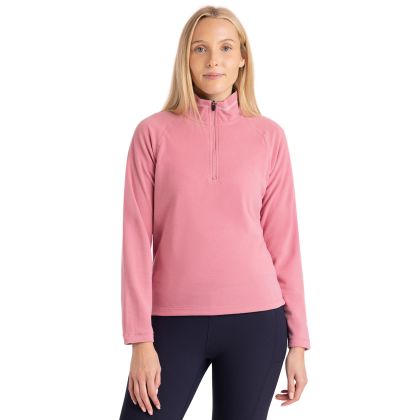
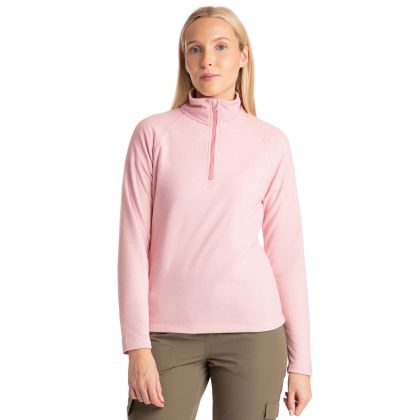
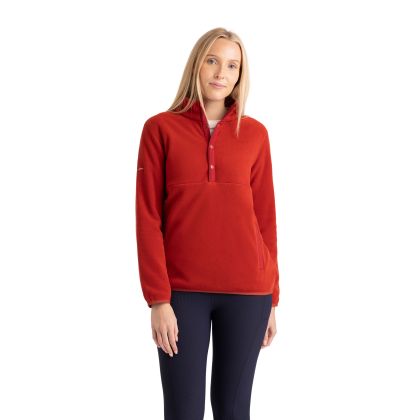
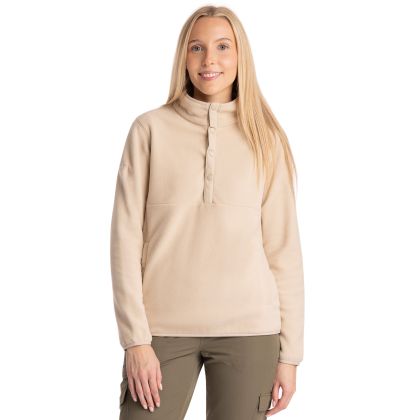
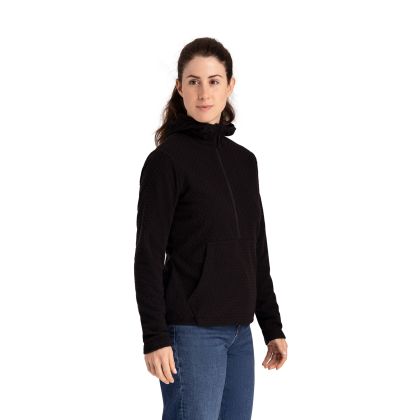
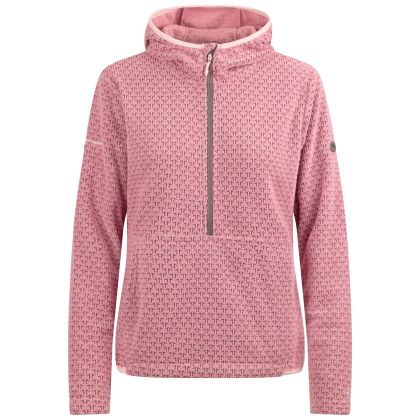
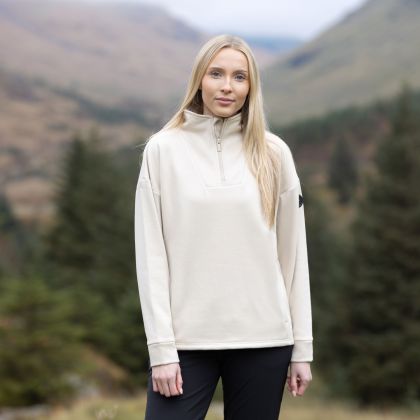
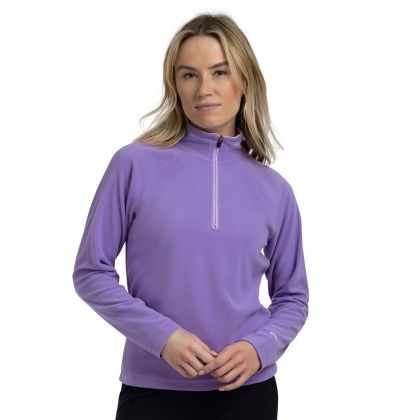
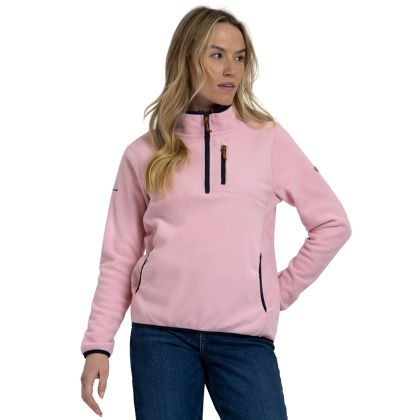
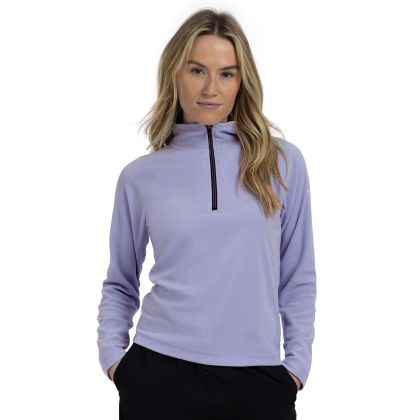
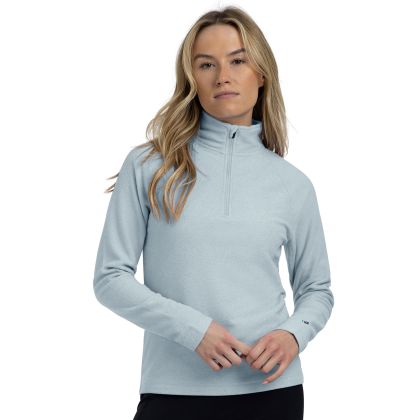
- Half Zip Fleece: A half zip retains more uninterrupted fabric across the front while still providing an opening at the neckline. It can create a neat insulating layer beneath outerwear.
- Heavyweight Fleece: A denser construction provides greater insulation for low temperatures, relaxed outdoor use or occasions when warmth is more important than keeping weight to a minimum.
This variety allows women's fleeces to work across active pursuits, casual use and colder days rather than serving a single purpose.
Materials and How They Work
Fleece fabrics use their structure to hold warm air close to the body. Different constructions can alter how effectively heat and moisture move through the garment, which becomes particularly noticeable during exercise.
- Microfleece: Fine fibres create a light insulating fabric that allows greater breathability during fast hiking and other high-output activities.
- Grid Fleece: Raised sections on the inside retain pockets of warmth, while the spaces between them can improve airflow.
- Recycled Polyester: Some fleece jackets incorporate recycled fibres, offering another material option within modern fleece construction.
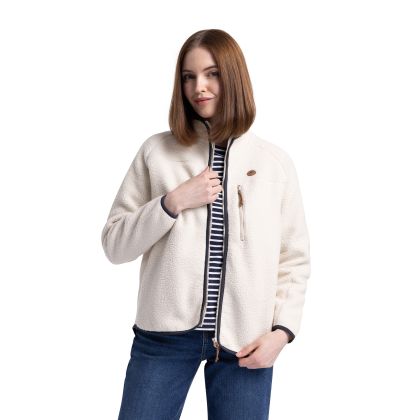
- High-Pile Fleece: A deeper surface creates more loft and insulation, giving the fabric a cosy feel suited to colder, less strenuous use.
Fabric construction therefore determines whether a fleece is better suited to compact layering, active temperature management or greater cold-weather insulation.
Construction details can affect how comfortably fleece jackets sit beneath outerwear and how easily body temperature can be managed. For active use in particular, small features can make a noticeable difference.
- A high collar provides additional warmth around an area that can otherwise remain exposed.
- Full zip openings offer extensive ventilation when activity levels increase.
- Half zip openings provide more limited temperature adjustment while retaining greater front coverage.
- Elasticated cuffs help prevent cold air travelling inside the sleeves.
- Thumbholes extend coverage towards the hands and help sleeves remain in position.
- A fitted hood can retain warmth around the head and neck without excessive bulk.
- Zipped pockets keep smaller belongings secure during walking or time on the slopes.
- Quick drying fabric is useful when perspiration or light moisture reaches the garment.
- Anti-pill finishes help the surface remain smoother after repeated washing.
- Flexible fabrics and an unrestricted cut allow comfortable arm and upper-body movement.
These details support comfort across changing activity levels while keeping the fleece practical as both an insulating piece and an easy-to-wear outer layer.
Different activities place different demands on insulation. The amount of movement involved, exposure to the weather and other clothing being worn can all influence which fleece style feels most comfortable.
- Brisk walks: Microfleece provides light insulation without holding excessive heat as your pace increases.
- Winter hiking: A breathable mid-weight or grid fleece can sit beneath a shell while allowing moisture and excess warmth to escape during climbs.
- Skiing: Fleece works well beneath ski outerwear because it traps warmth while allowing layers to be adjusted when activity levels change.
- Everyday use: Half zip and full zip fleece jackets provide easy warmth over casual clothing, with different opening styles allowing you to choose the coverage you prefer.
- Colder, slower days: A heavyweight fleece offers stronger insulation when you are generating less body heat through movement.
- Changeable weather: A low-bulk fleece paired with a windproof or waterproof outer gives greater flexibility when conditions shift during the day.
With the insulation matched to the pace and setting, women's fleeces can remain comfortable across everything from active routes to quieter winter days.
-
Is a fleece a good mid-layer for winter hiking?
- Yes. Fleece can be particularly effective between a moisture-managing base layer and a protective outer jacket because it provides insulation while remaining breathable. A microfleece may suit faster routes where you generate plenty of heat, while a mid-weight style provides more warmth for colder hikes. Because fleece is not inherently waterproof or windproof, an appropriate outer shell is useful when the route involves rain, snow or exposed conditions.
-
Is a full zip or half zip fleece better for winter?
- A full zip is useful when you want greater control over temperature because the front can be opened widely for ventilation, and the fleece is simple to remove when you become warm. A half zip provides a more enclosed front and can feel streamlined when worn beneath another layer. For active days with frequent temperature changes, a full zip can be particularly practical, while a half zip suits those who prefer consistent coverage and simpler layering.
