We value your privacy. We use Cookies to improve your website experience. We also use third-party cookies for marketing purposes.
Cookies are used for ads personalisation. For more info, visit our Privacy Policy.

-
-
-
-
-
-
-
-
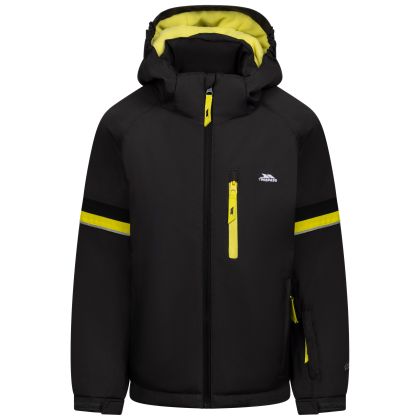
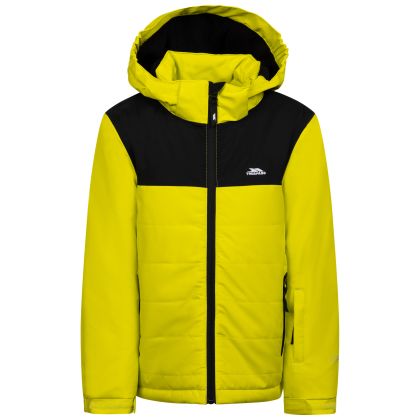
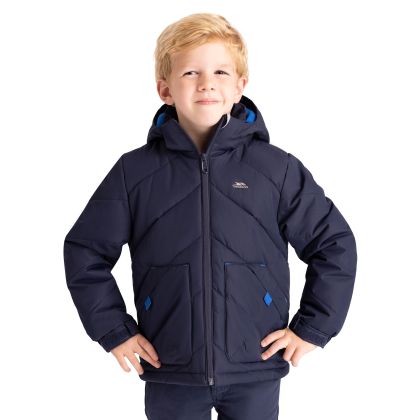
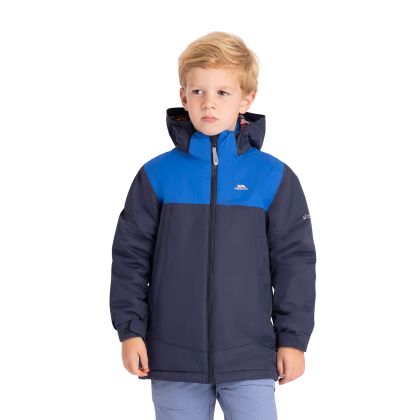
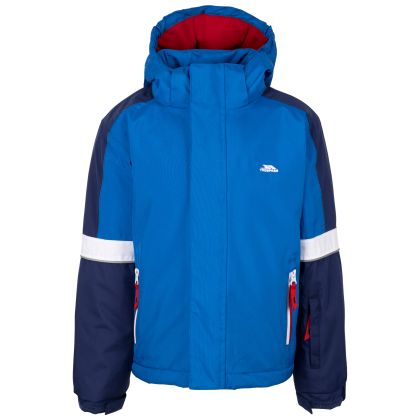 Boys Ski Jacket Kingsley in Blue€135.00


Guide to Buying Boys Winter Jackets
Winter outerwear for children has to cope with far more than simply travelling from one place to another. Running around at break time, carrying a school bag, weekend sports and outdoor play can all put extra strain on a coat. Boys winter jackets therefore need a useful combination of insulation, durable construction and weather protection. Padded coats provide warmth as the temperature drops, while lighter designs can be more comfortable during milder weather. Details such as reinforced fabrics, secure cuffs and practical pockets also help boys coats stand up to frequent use throughout the season.
The amount of insulation and coverage needed changes according to the weather and how active a child will be. Boys jackets are available in several constructions, making it possible to select outerwear for anything from ordinary school days to snowy outdoor adventures.
- Puffer Jackets: Insulated sections trap warmth around the body, making puffer jackets particularly useful on colder days.
- Parka Coats: Parkas extend further down the body than many short jackets, providing additional coverage when temperatures are low.
- Padded Winter Coats: These provide dependable insulation for regular winter use and can be worn over school clothing or casual layers.
- Bomber Jackets: A shorter shape provides less coverage than a parka but can offer comfortable movement for everyday activities.
- Lightweight Jackets: Less insulated styles are useful during milder weather, particularly when children are active and do not require a heavily padded coat.
A varied selection of coats and jackets makes it easier to provide enough warmth for the conditions without adding unnecessary weight during active days.
Materials and How They Work
Children's outerwear benefits from materials that continue performing through repeated wear. The insulation needs to manage cold, while the exterior should cope with contact from playground equipment, backpacks and outdoor surfaces.
- Synthetic Insulation: Synthetic fill retains warmth even if it becomes damp from rain or snow, making it practical for unpredictable winter weather.
- Down Insulation: Down offers an excellent warmth-to-weight ratio, although its insulating performance decreases when the fill becomes wet.
- Fleece Linings: Soft fleece linings provide another insulating surface inside boys coats and can add comfort in colder temperatures.
- Rugged Outer Fabrics: Hard-wearing shells resist rips and tears, while reinforced areas can provide extra durability where jackets receive greater wear.
- Waterproof Fabrics: A waterproof outer prevents rain, sleet and melting snow soaking through to clothing underneath.
Combining resilient outer materials with suitable insulation creates jackets capable of handling both cold conditions and the physical demands of everyday use.
Practical details can make boys jackets easier to use in cold, wet and windy weather. Look for features that help maintain coverage while still allowing children to move freely.
- Elastic or ribbed inner cuffs reduce cold air and snow travelling inside the sleeves.
- Adjustable hems can close the lower opening when extra protection is required.
- An insulated hood with an elasticated brim can remain more secure during windy weather.
- Snow cuffs provide additional protection when children are playing in deeper snow.
- Fleece-lined pockets provide a warmer place for hands during colder days.
- Zipped pockets keep small essentials secure during active play.
- Reflective detailing improves visibility during darker mornings and evenings.
- Reinforced areas help protect sections exposed to frequent rubbing or wear.
- Waterproof outer fabrics prevent moisture soaking through during rain or sleet.
- Adjustable sizing details can help extend the useful life of a growing child's jacket.
These features give boys coats greater practicality across school, play and outdoor activities while keeping cold air and winter moisture away from clothing underneath.
Think about when the coat will be worn rather than simply selecting the thickest option. A child who spends a long time outdoors in snow needs different protection from one wearing a jacket mainly for school journeys.
- School: A durable padded coat with secure pockets works well for daily wear and carrying a school bag.
- Snow: Choose an insulated waterproof jacket with secure cuffs, a protective hood and enough coverage to prevent snow entering around openings.
- Outdoor sports: A less bulky jacket can provide greater freedom when boys are moving continuously.
- Rainy winter days: Waterproof construction and taped seams provide useful protection when conditions are persistently wet.
- Very cold days: A puffer jacket or longer parka provides greater insulation and coverage.
- Milder weather: Lightweight jackets offer protection without the excess warmth of heavily insulated outerwear.
The appropriate level of insulation and coverage keeps children protected while leaving them free to enjoy their normal winter activities.
-
What type of kids jacket is best for snow?
- An insulated waterproof jacket is a strong option for snow because it addresses both cold temperatures and moisture. Synthetic insulation can be particularly practical as it continues retaining warmth when damp, while waterproof outer fabric prevents melting snow soaking through. Secure cuffs and hem adjustments help close openings, and a longer parka can provide extra coverage. For active snow play, durable materials are also useful for resisting everyday wear.
-
Does a kids winter jacket need a hood?
- A hood is not essential for every occasion, but it provides valuable extra coverage when children encounter wind, rain or snow. An insulated hood can help retain warmth around the head, while an elasticated brim can keep it more securely positioned during strong winds. For jackets used regularly outdoors, a hood provides protection that is immediately available when the weather changes, reducing the need to rely solely on a separate hat.
