We value your privacy. We use Cookies to improve your website experience. We also use third-party cookies for marketing purposes.
Cookies are used for ads personalisation. For more info, visit our Privacy Policy.


-
-
-
-
-
-
-
-
-
 DLX
-
 DLX
-
-
-
-
 DLX
-
 DLX
-
 DLX
-
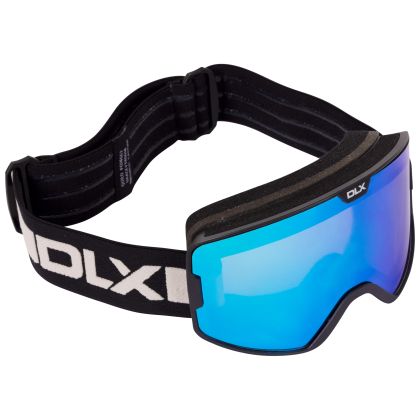 DLX
-
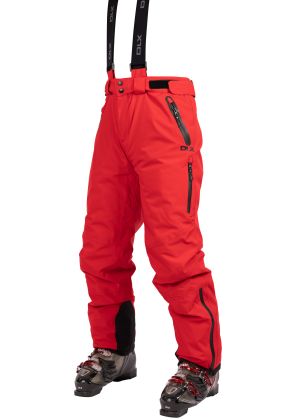 DLX
-
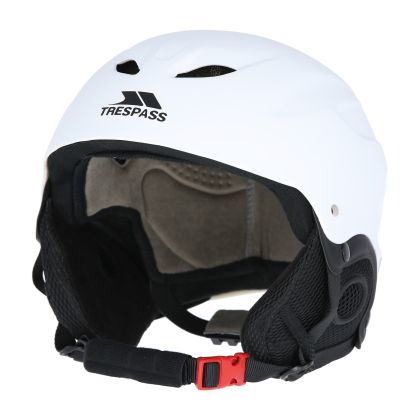
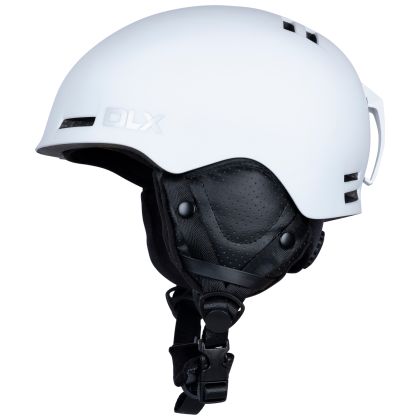 DLXSki Helmet Russo in White€108.00
-
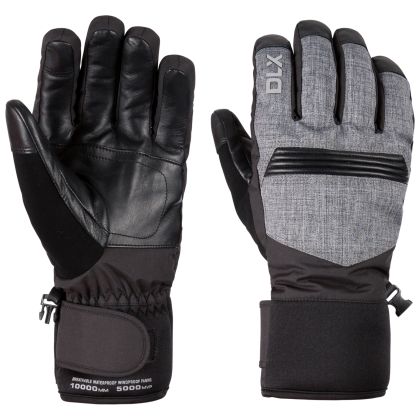 DLX
-
 DLX
-
 DLX
-
-
-
-
 DLX
-
-
-
-
-
-
-
-
-
-

-
-
-
-


Guide to Buying Mens Winter Clothing
Cold mornings, shorter days and unpredictable forecasts make a dependable wardrobe particularly useful during the colder months. Mens winter clothing should provide enough protection for time spent outdoors without making everyday dressing unnecessarily complicated. A combination of insulating garments, substantial trousers and protective outerwear can accommodate everything from daily commuting to weekend activities.
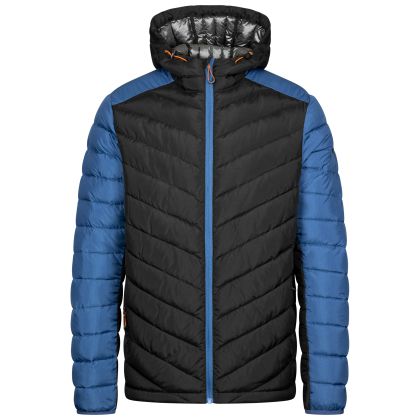
Rather than relying exclusively on thick jackets, men can build a collection of versatile pieces that work across different temperatures. Flannel shirts, knitted jumpers and sturdy boots offer practical foundations, while puffer jackets and weather-resistant coats provide additional protection when temperatures fall.
Men's winter wardrobes benefit from garments that fulfil different functions. Some provide insulation close to the body, while others protect against the elements or offer a smarter appearance.
- Wool Overcoats: Structured wool coats offer substantial coverage and pair well with tailored trousers, shirts and formal footwear.
- Cable-Knit Jumpers: Their textured knitted construction provides insulation and makes them useful as visible layers beneath open coats.
- Heavyweight Denim: Thicker denim provides a substantial option for casual trousers, particularly when paired with insulating clothing underneath.
- Rollneck Jumpers: Merino wool and cashmere rollnecks provide neck coverage without necessarily requiring a scarf.
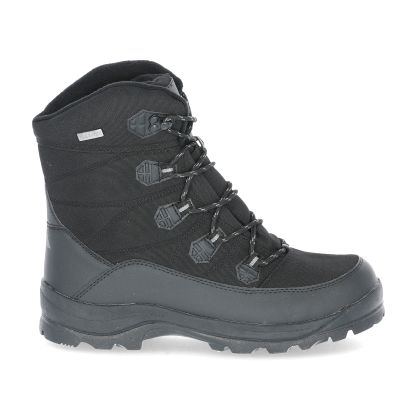
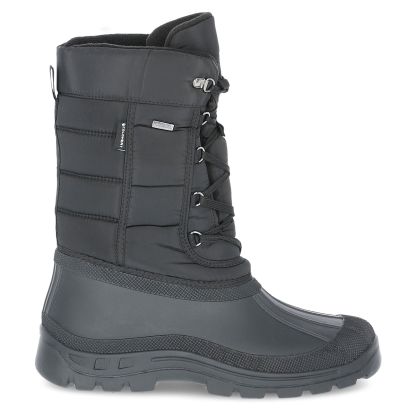
- Winter Boots: Sturdy lace-up boots, leather styles and padded-collar designs offer footwear options for colder conditions.
A combination of these clothing categories allows men to move between practical outdoor dressing and classic everyday style.
Materials and How They Work
Material composition influences how garments retain heat, respond to moisture and feel during extended wear.
- Tweed: This substantial woven fabric is commonly used in tailored coats and jackets, providing texture and natural insulation.
- Flannel: Its brushed surface creates a softer feel, making flannel useful for shirts worn beneath jumpers or jackets.
- Merino Wool: Fine wool fibres provide insulation while helping regulate temperature, particularly in rollnecks and close-fitting garments.
- Waxed Cotton: A wax coating helps repel moisture from the fabric surface, although waxed jackets are not necessarily fully waterproof.
- Leather: Commonly used in boots and outerwear, leather provides a durable exterior, with insulation depending on the garment's construction and lining.
- Cashmere: Fine fibres provide lightweight insulation in jumpers and scarves, making cashmere suitable for smarter cold-weather outfits.
These materials offer different advantages, allowing a wardrobe to include both substantial outerwear and lighter insulating pieces.
Practical construction details can improve the performance of men's winter garments, particularly when clothing is worn regularly.
- Secure coat fastenings help reduce cold air entering through the front of outerwear.
- High collars provide additional coverage around the neck during exposed conditions.
- Insulated linings add warmth to jackets without relying entirely on thick outer fabrics.
- Adjustable cuffs help limit gaps around the wrists.
- Weather-resistant finishes help protect jackets against occasional rain.
- Room for movement allows comfortable walking, bending and sitting.
- Durable boot soles provide grip on wet pavements and uneven ground.
- Padded boot collars improve comfort around the ankles.
- Accessible pockets provide space for everyday essentials.
Well-considered features can make winter clothing more comfortable and dependable without compromising personal style.
Different routines place different demands on clothing. Consider how much movement is involved, how long you will be outside and the appearance appropriate for the setting.
- Commuting: A structured coat over a shirt and fine jumper offers a smart combination. Leather boots with suitable grip can be useful during wet journeys.
- Country weekends: A waxed jacket, flannel shirt and sturdy trousers create a practical outfit for casual outdoor activities.
- Restaurant visits: A rollneck jumper beneath a wool overcoat creates a smart outfit without requiring a formal shirt.
- Travelling: A lightweight insulated jacket can be convenient when packing space is limited, while comfortable trousers make longer journeys easier.
- Relaxed days at home: Soft joggers and a substantial sweatshirt provide a comfortable alternative to structured clothing.
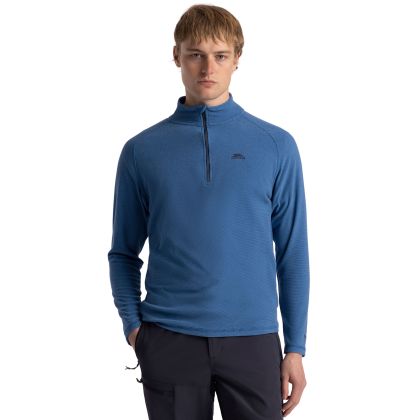
- Winter walks: A breathable insulating layer beneath a protective jacket helps manage warmth as activity levels change.
A useful collection of mens winter clothing should accommodate these different settings while allowing individual garments to be worn in several combinations.
-
Is it better to buy one heavyweight winter jacket or several lighter layers?
- Several lighter layers are generally more adaptable, particularly when moving between heated indoor spaces and cold outdoor environments. A base layer, insulating jumper or fleece, and protective jacket allow you to adjust your clothing as temperatures change. However, a heavyweight insulated jacket can be convenient when spending long periods outside with limited movement. The most suitable approach depends on your activities, local conditions and how frequently you need to remove clothing.
-
Do you need waterproof clothing for a typical UK winter?
- A waterproof outer layer is a sensible addition to a UK winter wardrobe because rainfall can occur alongside low temperatures and strong winds. Waterproof jackets are particularly useful for walking, commuting and other activities involving prolonged outdoor exposure. Water-resistant coats may be sufficient for brief outings in light rain, but they provide less protection during persistent rainfall. Other garments, including jumpers, flannel shirts and insulating layers, do not need to be waterproof when worn beneath suitable protective outerwear.
