
-
 NEW INDLX Womens Down Jacket Eilidh in Black£104.99 Was £261.99
 -
 NEW INDLX Mens Down Jacket Thompson in Black£75.99 Was £188.99
 -
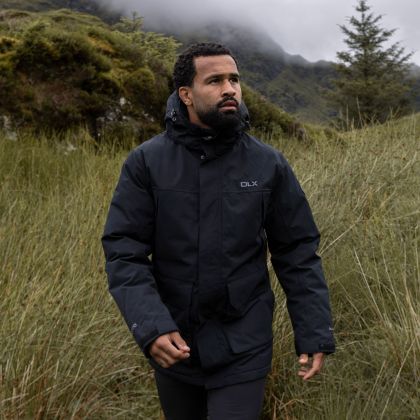 DLXDLX Mens Down Parka Jacket Mullan II in Black£138.99 Was £345.99
 -
 DLXDLX Womens Long Down Jacket Lainey in Black£153.99 Was £384.99
 -
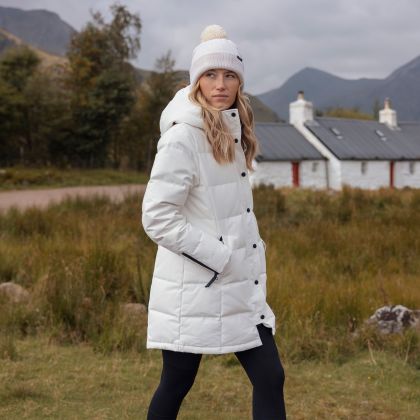 DLXDLX Womens Long Down Jacket Lainey in White£153.99 Was £384.99
 -
 DLXDLX Womens Down Jacket Mariana in Carnation£59.99 Was £209.99
 -
 DLX
DLX -
 DLXDLX Mens Hooded Down Jacket Sergei in Burnt Orange£92.99 Was £230.99
 -
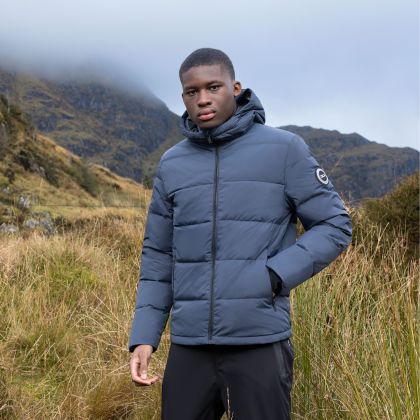 DLXDLX Mens Hooded Down Jacket Sergei in Dark Flint£92.99 Was £230.99
 -
 CLEARANCE
 -

-
 SALEMens Down Jacket Erris in Storm Grey£49.99 Was £187.99
 -
 DLXDLX Womens Parka Jacket Ellington in Dark Vine£131.99 Was £345.99
 -
 DLXDLX Womens Parka Jacket Ellington in Black£131.99 Was £345.99
 -
 Womens Down Jacket Hub in Dark Olive£67.99 Was £175.99
 -
 SALEWomens Down Jacket Hub in Red£51.99 Was £175.99
 -
 DLXDLX Mens Down Jacket Zoltan in Black£71.99 Was £241.99
 -
 CLEARANCEMens Down Jacket Erris in Bondi Blue£71.99 Was £187.99
 -
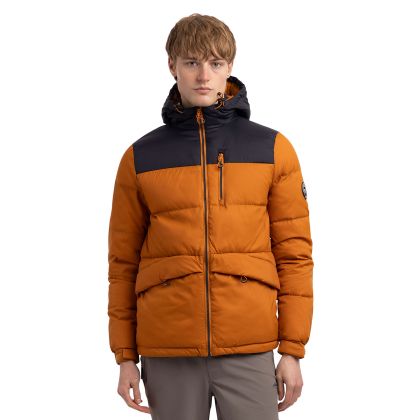 SALEMens Down Jacket Erris in Ginger£49.99 Was £187.99
 -
 DLXDLX Womens Down Jacket Galina in Black£69.99 Was £209.99
 -
 DLXDLX Womens Down Jacket Dana in Red Marl£74.99 Was £329.99
 -
 DLXDLX Mens Down Jacket Griffin in Dark Grey£129.99 Was £330.99
 -
 Womens Down Jacket Bitsy in Dark Cherry£87.99 Was £230.99
 -
 Men's Down Jacket Whitman II in Bondi Blue£59.99 Was £175.99
 -
 SALEMen's Down Jacket Whitman II in Salsa£69.99 Was £175.99
 -
 SALEMen's Down Jacket Tacker in Black£59.99 Was £178.99
 -
 Women's Down Jacket Bitsy In Black£87.99 Was £230.99
 -
 DLXDLX Women's Down Jacket Galina in Storm blue£69.99 Was £209.99
 -
 DLXDLX Women's Down Jacket Dana in Black Marl£99.99 Was £329.99
 -
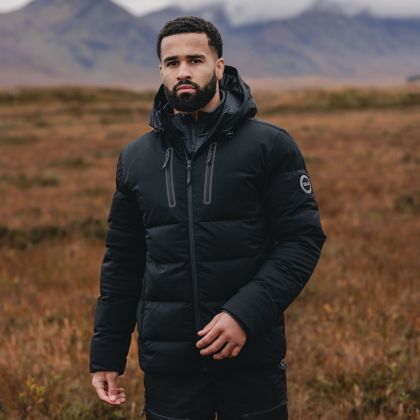 DLXDLX Men's Down Jacket Hawthorne in Black£95.99 Was £304.99
 -
 DLXDLX Men's Down Jacket Zoltan in Navy£71.99 Was £241.99
 -
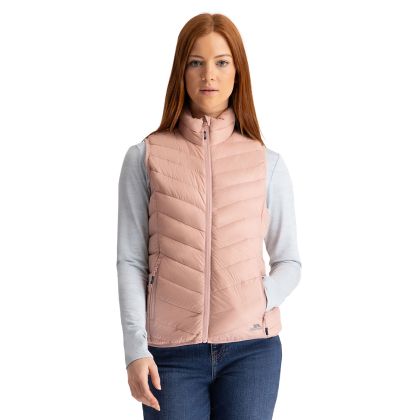 SALEWomens Down Gilet Giana In Misty Rose£35.99 Was £104.99
 -
 DLXDLX Women's Down Jacket Composed in BLACK£71.99 Was £209.99
 -
 SALEWomen's Packaway Down Jacket Humdrum in Black£49.99 Was £157.99
 -
 Men's Down Jacket Whitman II In Black£69.99 Was £175.99
 -
 Men's Down Jacket Whitman II in Dark grey/burnt orange£69.99 Was £175.99
 -
 Mens Ultra Lightweight Packaway Down Jacket in Blue Stanley£56.99 Was £149.99
 -
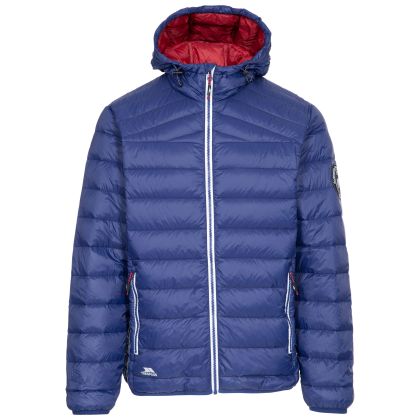 Men's Down Jacket Whitman II in Blue Print£69.99 Was £175.99
 -
 SALEWomens Down Gilet Giana in Black£29.99 Was £104.99
 -
 SALEMens Lightweight Down Gilet in Black Hoppers£39.99 Was £115.99
 -
 CLEARANCE
 -
 CLEARANCE
 -
 CLEARANCE
 -
 CLEARANCE
 -
 CLEARANCE
 -
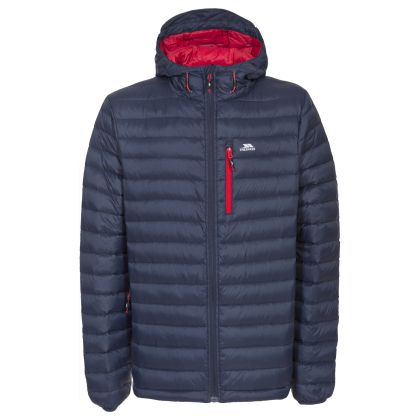 Mens Down Packaway Jacket in Navy Digby£79.99 Was £149.99


How to Pick the Best Down Jackets
A down jacket is built for maximum protection in cold conditions. With either natural or synthetic insulation, these insulated jackets provide excellent warmth to weight ratio while remaining lightweight and comfortable. Perfect for winter walks, mountain trekking, or everyday wear on frosty days, the right down jacket will keep you warm without unnecessary bulk.
Different down jackets are designed for specific needs:
- Natural down jackets: Offer exceptional warmth-to-weight ratio and loft. Lightweight versions can be compressed for travel, while heavier downs prioritise insulation and durability.
- Synthetic down jackets: More resistant to moisture, quick-drying, and easier to care for, making them reliable in damp conditions.
- Hybrid jackets: Combine down and synthetic fill for balanced performance in varied weather.
- Casual down jackets: Everyday designs that deliver dependable warmth with relaxed styling.
This variety ensures there’s a down jacket for both outdoor adventures and everyday wear.
Materials & How They Work
The effectiveness of a down jacket depends on its insulation and fabrics:
- Down: Goose or duck clusters trap warm air, giving high loft and excellent warmth to weight ratio.
- Feathers: Add structure when blended with down but insulate less effectively.
- Synthetic insulation: Retains heat when wet, dries quickly, and is low-maintenance.
- Hybrid blends: Mix down and synthetic for versatile warmth and resilience.
- Outer fabrics: Polyamide and polyester are durable and weather-resistant; elastane adds flexibility, while PU coatings enhance water resistance.
By understanding the down to feather ratio (e.g. 80/20) and insulation type, you can select the jacket that best suits your conditions.
Why Weather Resistance Matters
While down jackets excel at insulation, they are not always fully waterproof. Many come with a water-repellent finish that protects against light rain and snow. For prolonged wet weather, pairing with a waterproof shell is the best solution.
Performance metrics to guide your choice:
Fill power:
- 600 FP: Reliable insulation and loft.
- 700–800 FP: Higher fill power gives more warmth with less weight.
Fill weight: Heavier fill adds insulation, useful in extreme cold.
Breathability: 5,000–10,000 g/m²/24h ensures comfort during active use.
These measures make it easier to compare jackets and choose the right option for your activity.
A great down jacket combines performance and practicality. Look for:
- High thermal insulation with quality down or synthetic fill.
- Lightweight construction for freedom of movement.
- Breathability panels to regulate temperature during activity.
- Adjustable hoods and cuffs for weather protection.
- Secure zipped pockets for small essentials.
- Durable outer fabrics built to withstand winter use.
Lightweight natural down jackets are often compressible and packable, making them useful for travel. Heavier winter parkas focus instead on insulation and long-lasting durability.
The best down jacket depends on your plans:
- City wear: Lightweight casual down jackets with simple styling.
- Trekking and hiking: Jackets with higher fill power and improved weather resistance.
- Winter sports: Lightweight insulated jackets offering breathability and warmth.
- Extreme cold environments: Heavy-duty mens down jackets or womens insulated coats with greater fill weight.
By aligning your jacket with your activity, you’ll stay warm and comfortable without carrying unnecessary bulk.
-
Is a down jacket the warmest?
- Yes. Natural down provides exceptional insulation thanks to its loft and fill power. A higher fill rating means greater warmth-to-weight efficiency.
-
What’s the difference between down and synthetic insulation?
- Down is warmer and lighter but less effective when wet. Synthetic insulation retains warmth in damp weather and dries faster, making it practical for UK conditions.
-
Does down lose its properties when wet?
- Yes. Natural down clumps and loses insulation when wet. Jackets with synthetic fill or hydrophobic down treatments perform better in damp conditions.
-
Are there lightweight down jackets for travel?
- Yes. Many lightweight down jackets are designed to be compressible, making them ideal for packing. However, heavier winter parkas focus on warmth and durability rather than packability.
