
-
 DLXDLX 70L Rucksack in Grey Twinpeak£47.99 Was £146.99
 -
 DLXDLX 45L Rucksack with Raincover in Grey Twinpeak£43.99 Was £109.99
 -
 CLEARANCE33L Rucksack Trek in Black£33.99 Was £84.99
 -
 Waterproof Rucksack Cover in Black£7.99 Was £17.99
 -
 DLXDLX Rucksack Vollrick in Harbour Blue£59.99 Was £209.99
 -
 DLXDLX 28L Rucksack Deimos in Black£48.99 Was £120.99
 -
 SALE33L Rucksack Trek in Electric Blue£33.99 Was £84.99
 -
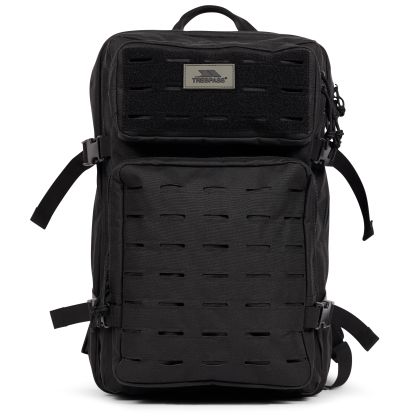 NEW INUnisex 45L Functional Daypack Tactara in Black£39.99 Was £62.99
 -
 35L Hiking Rucksack Pass in Dark Grey£36.99 Was £86.99
 -
 Waterproof Rucksack Cover in Fluorescent Orange£7.99 Was £17.99
 -
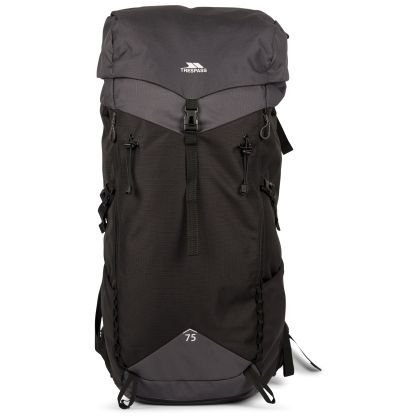 75L Hiking Rucksack Pass in Black£62.99 Was £156.99
 -
 DLXDLX Expandable Travel Rucksack Volmos in Black£45.99 Was £114.99
 -
 CLEARANCEPackaway Rucksack Turzo In Black£11.99 Was £38.99
 -
 Adults Unisex Packaway Rucksack Turzo in Green£15.99 Was £38.99
 -
 DLXDLX 25L Rucksack Andriv in Navy£18.99 Was £68.99
 -
 DLXDLX 32L Rucksack Oltava in Navy£28.99 Was £94.99
 -
 SALECasual Rucksack Skail in Paint Splash Print£16.99 Was £47.99
 -
 SALE20 Litre Rolltop Dry Bag Exhalted in Blue£7.99 Was £20.99


Rucksacks For Men and Women
When a backpack isn't enough, our walking rucksacks have plenty of extra storage space, perfect for storing all your essentials on your next long-distance trek. In addition, you can be sure that our waterproof rucksacks will provide maximum comfort, as their adjustable shoulder and torso straps allow you to carry your luggage easily.
Hiking Rucksack
A reliable hiking rucksack is essential for any long-distance walk. Your rucksack should enable you to carry your gear easily all day, making the most of your journey without putting strain on your muscles. Our 25L-45L hiking bags are best suited to relaxed walking holidays, while our backpacks of 65L and above are ideal for high-intensity expeditions. So whether you'll be taking advantage of baggage transfers or carrying your belongings all day, we have a range of walking rucksacks in varying sizes designed to perform outdoors.
Camping Rucksack
When choosing a camping rucksack, consider how much gear you will carry. You'll need enough room for your tent, sleeping bag, and cooking equipment, so it's important to invest in a rucksack that can handle the weight of all your belongings. It's also worth thinking about the duration of your camping adventure, as the longer you stay in the wilderness, the more equipment you will need. A 45L or 65L camping backpack is a popular choice with Trespass campers. Finally, ensure you're prepared for the elements with a rucksack with a waterproof cover designed to protect your belongings when the weather is less favourable.
Travel Rucksack
The best travel rucksack is one that allows for freedom of movement on your journey. When adjusted correctly, the bag distributes the weight evenly across your body, reducing the pressure and making for a stress-free hands-free experience. A small rucksack is perfect for hand luggage, ideally around 44 x 40 x 25cm. However, you should always check your airline's restrictions before travelling. Then, jet off in comfort with one of our supportive travel neck pillows, designed to attach to your rucksack and add a sense of bliss to your next journey.
Walking rucksacks are designed around capacity, support, and intended use. Understanding these categories helps you choose the perfect pack for your activity.
- Small walking rucksacks (10–20L): Ideal for shorter hikes, school use, gym sessions, or light day trips where you only need water, snacks, and a few essentials.
- Day walking rucksacks (20–30L): A popular size for day trips, offering enough storage for extra layers, food, and hiking essentials without feeling bulky.
- Medium hiking rucksacks (30–50L): Suitable for longer hikes, weekend trips, or light camping, providing increased storage space and support features like waist straps.
- Larger backpacks (50L+): Designed for extended trips, camping, travel, or ski touring, these packs focus on load stability and comfort when carrying heavier gear.
This range of rucksacks ensures walkers, hikers, and explorers can find a size that suits their routine and terrain.
Materials and How They Work
The materials used in walking rucksacks affect durability, weight, and weather resistance.
- Polyester: Lightweight, durable, and quick-drying for everyday walking and travel.
- Polyamide (nylon): Abrasion-resistant and strong, ideal for hiking backpacks used on trails or in the mountains.
- Ripstop fabrics: Reduce tearing if the pack catches on branches or rocks.
- PU coatings: Improve water resistance during wet weather.
- Mesh panels: Increase airflow across the back for comfort during walking.
Together, these materials help walking rucksacks remain lightweight, durable, and comfortable across varied conditions.
How To Choose a Rucksack
Ask yourself what the rucksack is for - what features do you need? There is a wide range of styles and sizes depending on the type of adventure. The 25L rucksack is ideal for summer day hikes - whereas the 65L bags are great for alpine treks or long-distance walks. There are a few key features to look out for:
- Material: Always look for water-resistant material, or buy a waterproof cover to go over your rucksack. You can always prepare for a sudden downpour.
- Size: The size of your backpack should reflect the type of adventure you're going on. There's no use carrying the extra weight of a 45L rucksack if you only pack a few essential items.
- Fit: Checking your rucksack fits well is essential. Read our rucksack fitting guide for a full explanation of fitting.
Practical features improve how walking rucksacks perform in real use.
- Adjustable shoulder straps improve fit and comfort
- Chest straps increase stability on trails
- Waist straps help distribute weight evenly on longer walks
- Multiple pockets keep essentials organised and easy to reach
- Hydration compatibility allows hands-free drinking
- Compression straps keep loads stable when carrying less
- Ventilated back panels improve airflow during hiking
- Rain covers or water-resistant fabric to protect belongings in wet weather
These features help turn a simple bag into the perfect pack for walking and hiking.
Different walking activities benefit from different rucksack designs.
- Everyday walking and commuting: Smaller walking backpacks with organiser pockets and comfortable straps suit daily routines.
- Day hiking and shorter hikes: 20–30L hiking backpacks offer enough storage for water, snacks, layers, and essentials.
- Longer hikes and weekend trips: Medium rucksacks with supportive frames and waist straps help carry heavier loads comfortably.
- Camping and travel: Larger backpacks provide space for clothing, gear, and food while maintaining stability.
- School or gym use: Lightweight rucksacks with simple compartments work well for books, shoes, and gym gear.
Choosing based on activity ensures your pack supports your movement rather than slowing you down.
-
Are rucksacks waterproof or do I need a rain cover?
- Most walking rucksacks are water resistant rather than fully waterproof, meaning they can handle light rain and splashes. For prolonged or heavy rain, a separate rain cover offers better protection for your gear and helps keep contents dry.
-
How many litres should a rucksack be for overnight trips?
- For an overnight walk or short trip, a rucksack between 35 and 50 litres is usually suitable. This size provides enough space for spare clothing, food, and basic gear without becoming too bulky or uncomfortable to carry.
-
What features should I look for in a hiking rucksack?
- Key features include padded shoulder straps, a supportive back system, and chest or waist straps for stability. Practical storage such as multiple compartments, hydration compatibility, and weather protection also improves comfort and usability on the trail.
