
-
 Girls Fleece Melsa in Navy Peony£9.99 Was £20.99
 -

-
 2 colours
 -

-

-

-
-
-
 Girls Full Zip Fleece Lunner in Baby Pink£16.99 Was £38.99
 -

-
-

-
-
-
-
-
-
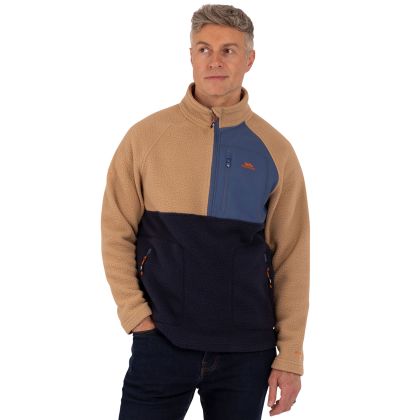
-

-

-
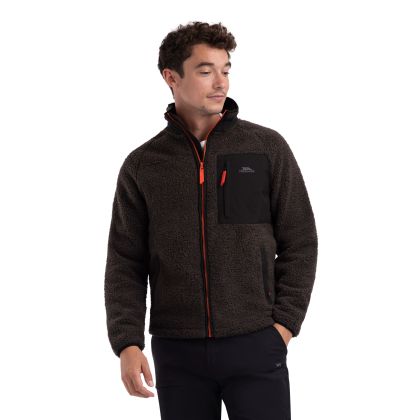
-
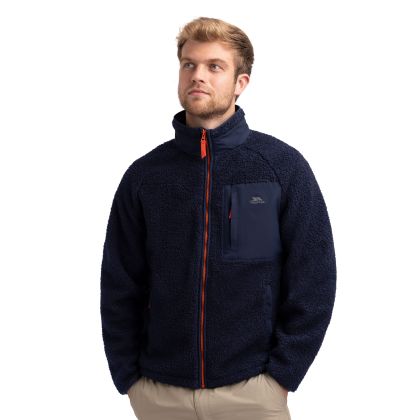
-
 2 colours
 -
 2 colours
 -
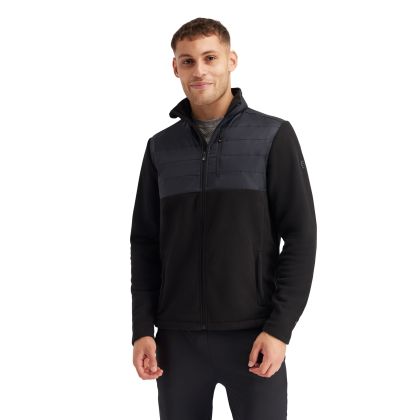
-
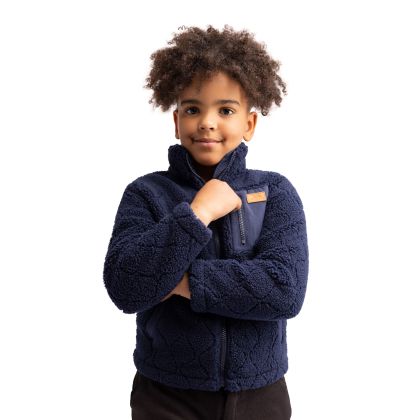 2 colours
 -
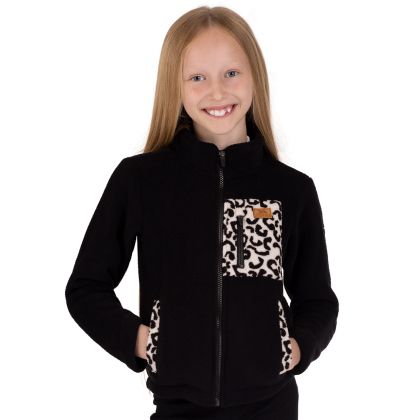
-
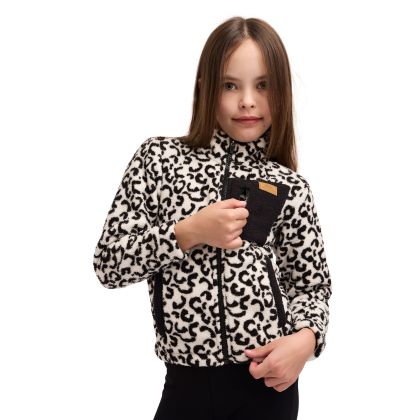 2 colours
 -

-

-

-
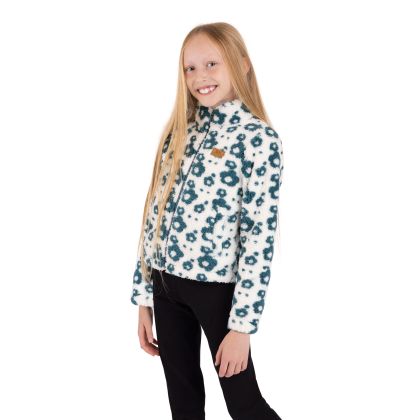
 Girls Printed Fleece Breigh in Bluetone£15.99 Was £34.992 colours
 -
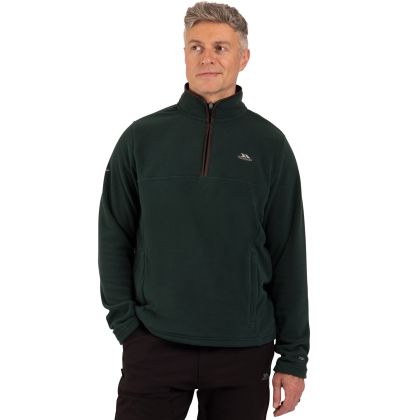
 Mens Full Zip Microfleece Mitchie in Dark Teal£20.99 Was £49.993 colours
 -
 Mens Full Zip Microfleece Mitchie in Grey Marl£20.99 Was £49.993 colours
 -
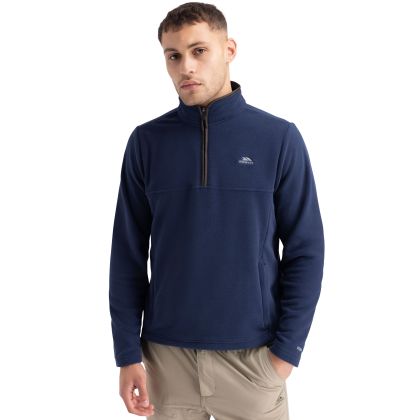
 Mens Full Zip Microfleece Mitchie in Navy£20.99 Was £49.993 colours
 -
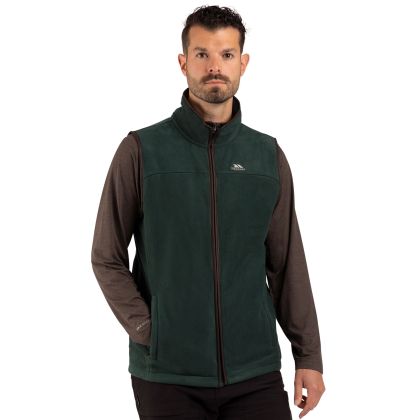
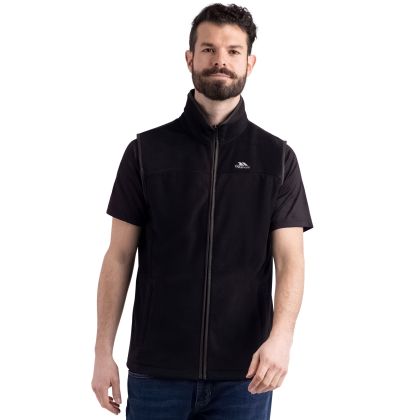 Mens Microfleece Gilet Bernary in Black£18.99 Was £46.992 colours
 -
-

-
 2 colours
 -
 Womens Fleece Ribes in Coastal Blue£21.99 Was £44.992 colours
 -
 Womens Fleece Ribes in Ghost£21.99 Was £44.992 colours
 -
 Womens Hooded Fleece Anona in Coastal Blue£29.99 Was £64.99
 -
 2 colours
 -
 Womens Printed Microfleece Breker in Greystone£20.99 Was £49.992 colours
 -
 2 colours
 -
 2 colours
 -

-


Guide to Buying Outdoor Technical Fleeces
Outdoor technical fleeces are designed to provide reliable insulation while remaining breathable and easy to layer. They are commonly worn as a mid layer, helping trap body heat without adding unnecessary weight or restricting movement. Whether you are walking, hiking, climbing, or layering for colder conditions, technical fleeces support comfort across changing activity levels.
Choosing the right outdoor technical fleece helps you stay warm, regulate temperature, and move comfortably throughout the day.
Outdoor technical fleeces are typically categorised by fabric weight and construction, which determines warmth, breathability, and suitability for different activities.
- Lightweight fleeces: Breathable insulation for active use. Usually around 100–150 gsm, these fleeces prioritise airflow and low bulk, making them suitable for high-output activities and layering under shells.
- Midweight fleeces: Balanced warmth and versatility. Commonly around 200–250 gsm, offering a reliable balance of insulation and breathability for variable conditions.
- Heavyweight fleeces: Maximum warmth for cold conditions. Typically 300 gsm or more, designed for colder environments and lower activity levels where insulation is the priority.
- Grid fleeces: Efficient heat retention with airflow. Feature a textured inner structure that traps warmth while allowing excess heat and moisture to escape.
- Stretch fleeces: Mobility-focused designs. Incorporates elastic fibres to support unrestricted movement and a closer, more technical fit.
These fleece types allow you to choose insulation based on activity intensity and weather conditions.
Materials and How They Work
Outdoor technical fleeces are made using performance-focused materials that balance warmth, breathability, and durability.
- Polyester: Provides lightweight insulation, quick drying performance, and long-term durability.
- Elastane: Adds stretch to improve comfort and freedom of movement during active use.
- Cotton: May appear in casual blends but is less common in technical fleeces due to slower drying times.
These materials work together to create fleeces that perform reliably in outdoor environments.
Well-considered features help outdoor technical fleeces perform effectively during layering and active use.
- Zipped pockets provide secure storage and practical hand warmth.
- High collars offer added protection around the neck in cool or windy conditions.
- Thumb loops help keep sleeves in place when layering under outerwear.
- Stretch panels support natural movement during technical activity.
- Adjustable hems and cuffs help retain warmth and reduce heat loss.
Together, these features improve comfort, functionality, and performance.
Selecting the right fleece depends on how and where it will be used. Matching fleece type to activity helps maintain comfort throughout the day.
- Hiking and trekking: Lightweight or grid fleeces that support breathability and easy layering during steady movement.
- Everyday outdoor use: Midweight fleeces that provide reliable warmth and comfort for variable conditions.
- Climbing and active pursuits: Stretch or grid fleeces that offer flexibility, reduced bulk, and effective temperature control.
- Camping and low-output activity: Mid to heavyweight fleeces that deliver dependable insulation when movement is limited.
- Cold weather layering: Heavyweight fleeces that maximise warmth for static or exposed conditions.
Choosing based on activity ensures your fleece performs as part of a complete layering system.
-
What is the difference between microfleece and polar fleece?
- Microfleece is lighter and more breathable, making it suitable for layering and active use. Polar fleece is thicker and warmer, designed for colder conditions or lower activity levels.
-
Are outdoor technical fleeces windproof?
- Most fleeces are not fully windproof but provide light wind resistance. For strong wind protection, they are typically paired with an outer shell.
-
Can outdoor technical fleeces be waterproof?
- Fleeces are not waterproof, but they dry quickly and retain warmth when slightly damp. Waterproof protection comes from a separate outer layer.
-
What makes a good outdoor technical fleece?
- A good fleece balances insulation, breathability, and comfort. Lightweight materials, practical features, and activity-appropriate construction all contribute to reliable performance.
