
-
 NEW INKids Padded Ski Jacket Barker in Saffire Blue£39.99 Was £99.99
-
 NEW INKids Padded Ski Jacket Barker in White£39.99 Was £99.99
-
 NEW INKids Padded Ski Jacket Osen in Pink£39.99 Was £99.99
-
 NEW INKids Padded Ski Jacket Osen in Tangerine£39.99 Was £99.99
-
 NEW IN
-
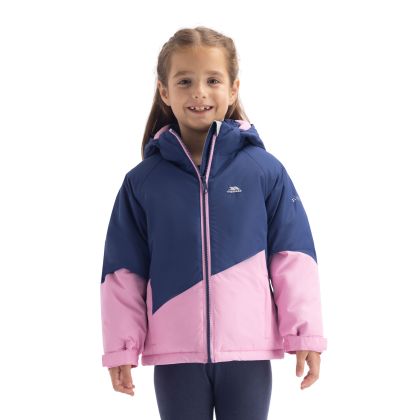 NEW INGirls Padded Waterproof Jacket Ottile in Saffire Blue£27.99 Was £62.99
-
 NEW INKids Padded Coat Northridge in Black£31.99 Was £62.99
-
 NEW INKids Padded Coat Northridge in Navy£31.99 Was £62.99
-
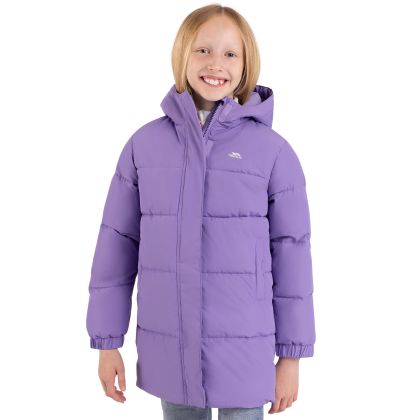 NEW INKids Long Jacket Northridge in Wisteria£31.99 Was £62.99
-
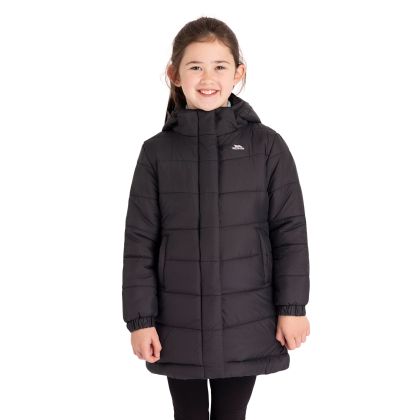 BLACKFRIDAY
-
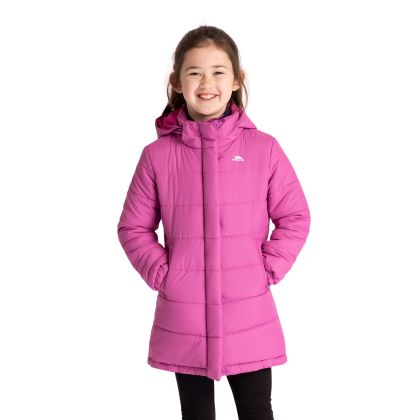 BLACKFRIDAY
-
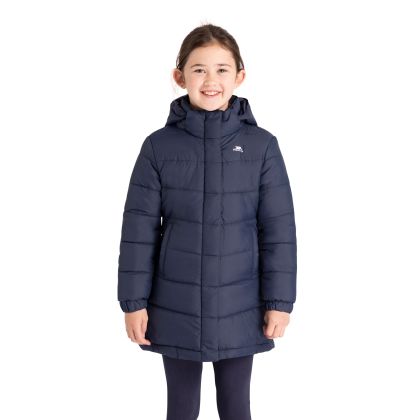 BLACKFRIDAY
-
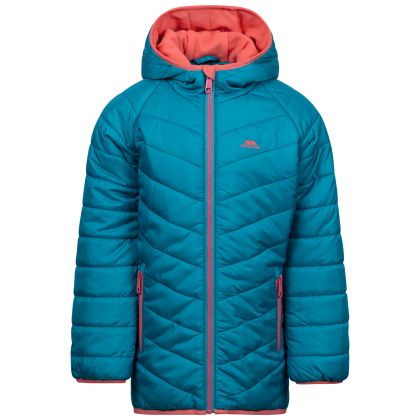 SALEGirls Quilted Casual Jacket Valard in Light Teal£23.99 Was £57.99
-
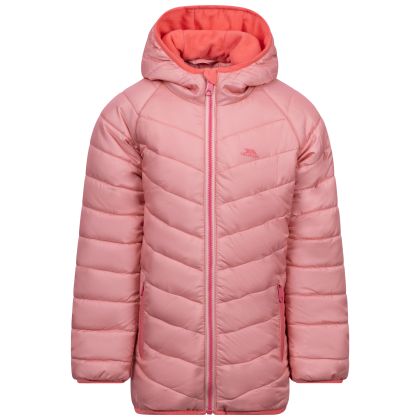 SALEGirls Quilted Casual Jacket Valard in Mid Rose£23.99 Was £57.99
-
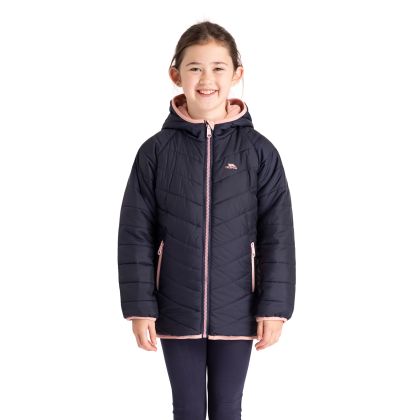 SALEGirls Quilted Casual Jacket Valard in Navy£23.99 Was £57.99
-
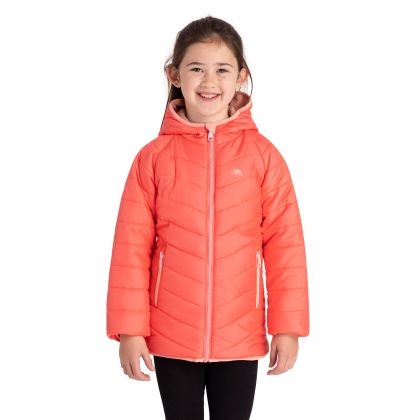 SALEGirls Quilted Casual Jacket Valard in Soft Orange£23.99 Was £57.99
-
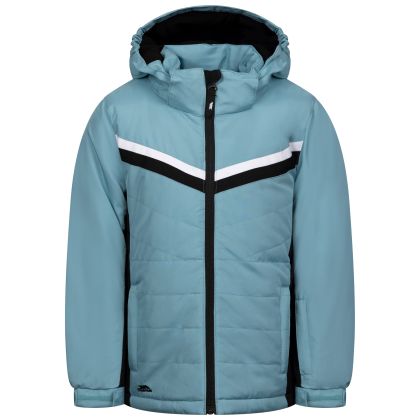 SALEGirls Padded Ski Jacket Amaya in Blue Jade£29.99 Was £94.99
-
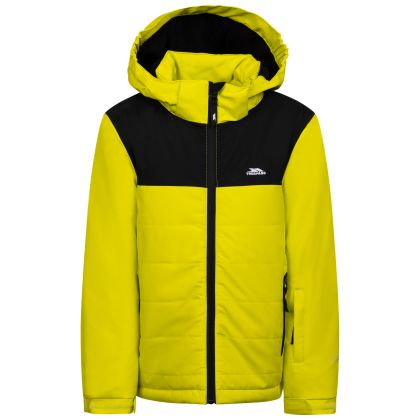 Kids Ski Jacket Halston in Lemon Fizz£37.99 Was £94.99
-
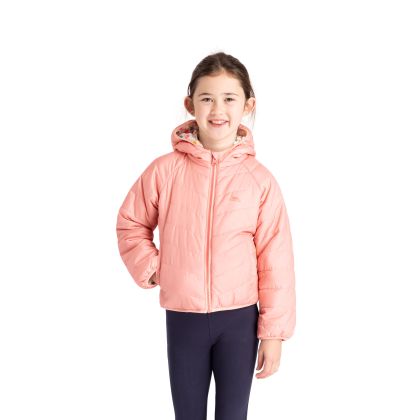 SALEGirls Reversible Jacket Dessie in Mid Rose£25.99 Was £62.99
-
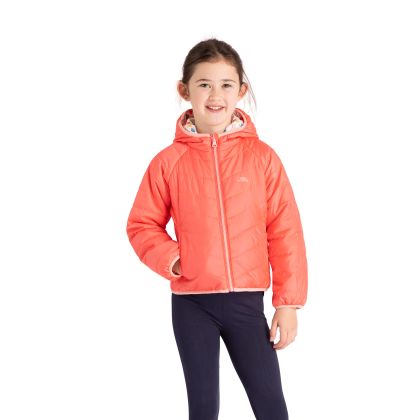 SALEGirls Reversible Jacket Dessie in Soft Orange£25.99 Was £62.99
-
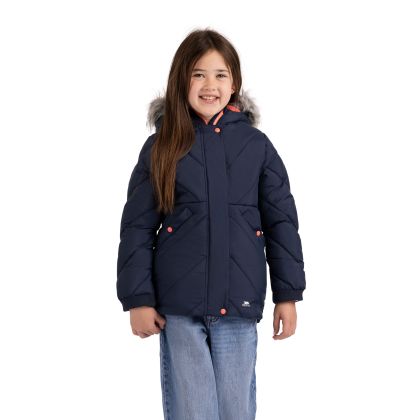 SALEGirls Casual Jacket Buntee in Navy£24.99 Was £62.99
-
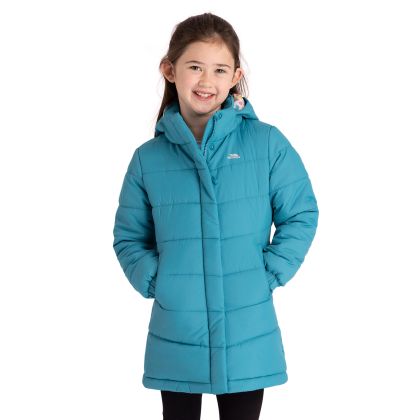 SALEGirls Casual Jacket With Detachable Hood Ellster in Light Teal£23.99 Was £57.99
-
 SALEGirls Casual Jacket With Detachable Hood Ellster in Navy£23.99 Was £57.99
-
 SALEGirls Casual Jacket With Detachable Hood Ellster in Tropical£19.99 Was £57.99
-
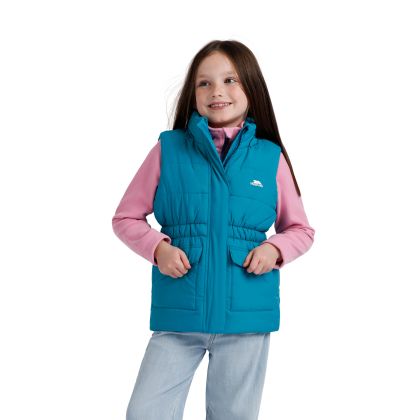 SALEGirls Casual Gilet Casster in Light Teal£9.99 Was £39.99
-
 Girls Rain Jacket Roselettie in Light Teal£27.99 Was £65.99


Buying the Right Girls Winter Jackets
A child's coat can be worn for hours across very different settings, from the morning school journey to lunchtime outside and after-school activities. Girls winter jackets need to provide dependable warmth while remaining comfortable when children are carrying bags, playing or moving between indoors and outdoors. Some girls coats use lightweight padding for everyday wear, while others add waterproof shells, longer cuts or removable layers for more demanding weather. The most useful option is one that gives enough protection for the season while leaving space for comfortable layers underneath.
Not every cold day requires the same outerwear. Having different constructions available means warmth and weather protection can be matched more closely to the occasion.
- 3-in-1 Jackets: A waterproof outer shell and removable inner layer can be worn together or separately, giving one jacket several options as the weather changes.
- Softshell Jackets: Flexible and relatively lightweight, softshell styles work well for casual use and active days when unrestricted movement is useful.
- Long Parkas: Extra length provides more coverage around the body and can help block cold wind during colder journeys.
- Padded Coats: Insulated padding provides dependable warmth without necessarily creating excessive bulk, making these coats practical for regular winter use.
- Lightweight Jackets: These suit milder days and can be combined with fleece or knitwear when a little additional warmth is needed.
The range allows girls jackets to cover wet school days, active weekends and colder outdoor occasions without relying on one construction for the entire season.
Materials and How They Work
The layers inside a jacket influence warmth, while the exterior determines how effectively it deals with rain and wind. Understanding these separate roles can make comparisons between coats and jackets easier.
- Synthetic Insulation: Synthetic fill retains warmth if it becomes wet and is generally straightforward to wash, making it useful for frequently worn children's coats.
- Down: Natural down provides a high warmth-to-weight ratio and compresses easily, allowing considerable insulation without excessive weight.
- Fleece: A soft fleece lining adds a cosy surface inside the jacket and provides extra insulation during cold weather.
- Waterproof Shell Fabrics: A waterproof outer creates a barrier against rain, while a DWR finish helps water bead away from the surface.
- Breathable Linings: These allow some internal moisture to escape, improving comfort when children become warm through activity.
These materials can create anything from a light layering jacket to a fully insulated waterproof coat, depending on how they are combined.
Useful features should make the jacket more comfortable and practical during a normal day. Pay particular attention to areas where rain, cold air and changing light conditions can affect children outdoors.
- An adjustable hood can be repositioned when rain or wind arrives.
- Storm cuffs sit closely around the wrists to help block cold air and snow.
- Reflective piping or accents improve visibility during dark winter mornings and evenings.
- A waterproof outer shell provides protection during persistent wet weather.
- A DWR finish encourages water to bead away from the outer surface.
- Breathable construction improves comfort when children become warm while moving.
- A longer hem provides more body coverage in exposed conditions.
- Lightweight insulation keeps the coat manageable for everyday wear.
- Layering space allows a fleece or jumper to fit underneath without restricting the arms.
- Removable inner layers provide additional flexibility as temperatures change.
With these details in place, girls coats can remain comfortable through changing weather while providing the coverage needed for everyday winter routines.
Where the jacket will be worn most often can determine whether waterproofing, insulation or versatility deserves greater priority.
- School day: A comfortable padded coat with useful pockets and room for uniform layers provides straightforward warmth for daily routines.
- Wet weather: Waterproof jackets with breathable linings help keep kids dry without trapping as much moisture during active periods.
- Weekend activities: A softshell jacket provides flexibility for movement when conditions are cool but not severely cold.
- Changing conditions: A 3-in-1 design allows the inner and outer layers to be adjusted according to temperature and rain.
- Colder days: A longer parka or insulated coat provides greater coverage and warmth when children will spend more time outside.
- Milder days: Lightweight jackets can be paired with additional layers rather than relying on heavy insulation.
This gives girls suitable protection for school, outdoor activities and weekend wear while keeping the jacket comfortable for the conditions.
-
Is a puffer or padded jacket better for girls in winter?
- Both can work well, and the better option depends on how much insulation is required. Puffer jackets usually use quilted sections to hold insulating fill and can provide substantial warmth without excessive weight. A padded jacket can offer dependable everyday warmth with a less bulky feel, making it practical for school and regular outings. For colder conditions, prioritise effective insulation; for busy everyday wear, comfort and freedom of movement may matter more.
-
Are winter jackets waterproof?
- Not necessarily. A warm or padded winter jacket may provide insulation without being fully waterproof. Waterproof jackets use a protective outer shell to stop rain passing through, and some also include a DWR coating that helps moisture bead off the surface. If the coat will regularly be worn during rain or wet snow, check that the product is specifically described as waterproof rather than assuming all winter outerwear provides the same protection.
