

-
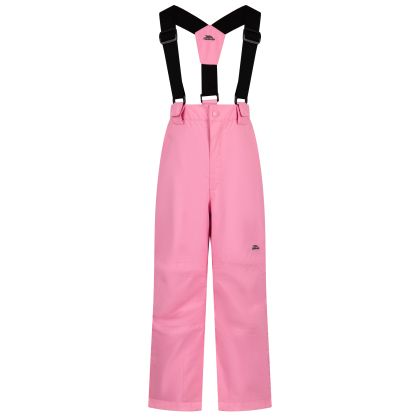 NEW INKids Ski Trousers Rumi in Pink£27.99 Was £65.99
-
 NEW INKids Sherpa Lined Leggings Fuzzy in Greensea£13.99 Was £30.99
-
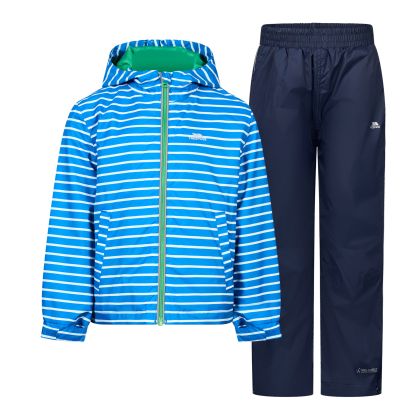 Kids Rain Jacket and Trousers Set Kinley in Blue£25.99 Was £59.99
-
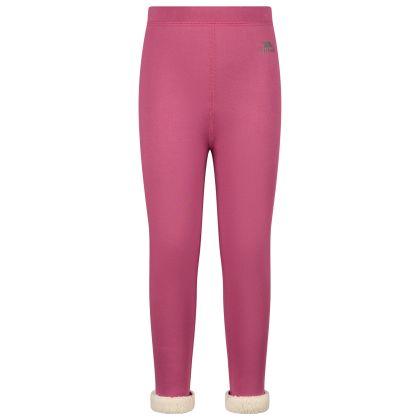 NEW INKids Sherpa Lined Leggings Fuzzy in Rose Blush£13.99 Was £30.99
-
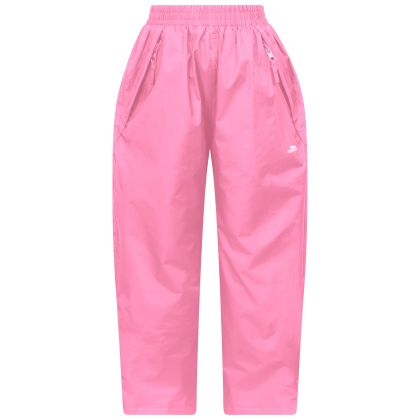 Kids Waterproof Trousers Echo in Sweetpink£15.99 Was £39.99
-
 SALEBoys Jog Bottoms Assynt in Navy£9.99 Was £38.99
-
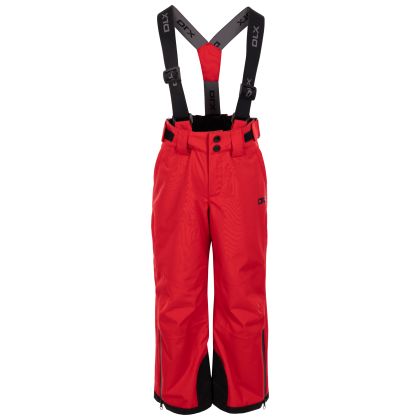 BLACKFRIDAYDLX Kids Ski Trousers Benito in Red£25.99 Was £125.99
-
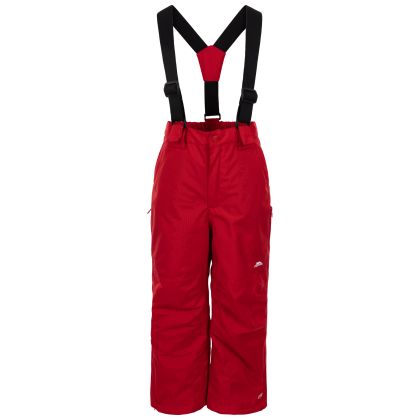 SALEKids Ski Trousers Rumi in Red£17.99 Was £65.99
-
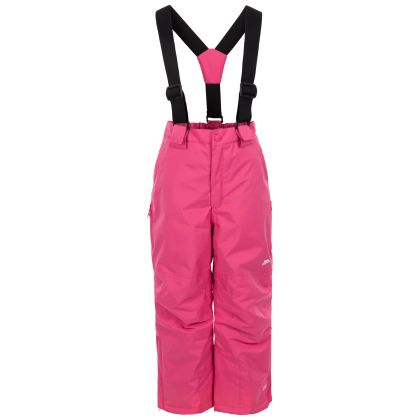 CLEARANCEKids Ski Trousers Rumi in Soft Pink£17.99 Was £65.99
-
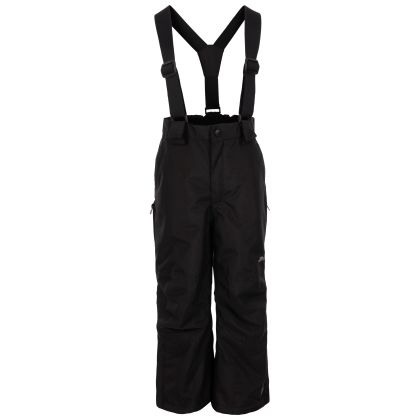 Kids Ski Trousers Rumi in Black£27.99 Was £65.99
-
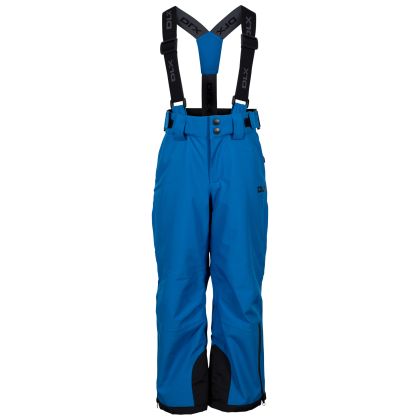 SALEDLX Kids Ski Trousers Benito in Blue£25.99 Was £125.99
-
 SALEBabies Waterproof Trousers Raining in NAVY£13.99 Was £33.99
-
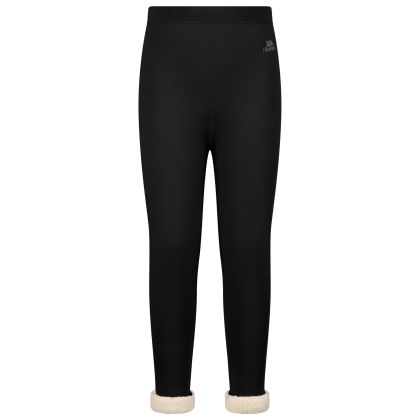 NEW INKids Sherpa Lined Leggings Fuzzy In Black£13.99 Was £30.99
-
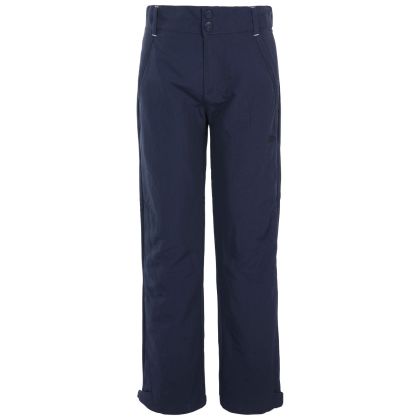 SALE
-
 SALEKids Insulated Salopettes Marvelous in Black£19.99 Was £73.99


Guide to Buying Kids Winter Trousers
Children rarely stay still when they're outside. They kneel on damp grass, scramble over playground equipment, splash through muddy puddles and sit on cold surfaces. Kids winter trousers need to withstand this kind of activity while protecting their legs from uncomfortable conditions. Waterproof fabrics, flexible construction and secure ankle openings are particularly useful for outdoor play. For boys and girls, the choice ranges from lightweight walking styles to insulated snow clothing. A durable pair should also be easy to clean and comfortable enough for children to wear throughout their adventures.
Different activities expose children's clothing to different amounts of moisture, abrasion and cold. These styles offer protection for a range of outdoor situations.
- Waterproof Overtrousers: Lightweight waterproof trousers can be worn over everyday clothing, making them useful for wet playgrounds and muddy puddles.
- Fleece-Lined Trousers: A soft insulating interior provides warmth for colder outings without requiring several bulky garments.
- Kids Ski Trousers: Insulated ski trousers provide coverage for snowy activities, often including protective ankle details that help prevent snow entering.
- Ski Salopettes: Their extended bib construction offers additional coverage around the waist and torso during skiing and snow play.
- Outdoor Walking Trousers: Flexible walking trousers support climbing, exploring and family hikes without the weight of heavily insulated snow clothing.
These options allow children to enjoy outdoor activities with protection suited to the ground conditions and weather.
Materials and How They Work
Children's outdoor clothing benefits from fabrics that withstand repeated contact with rough surfaces while remaining manageable during movement.
- Waterproof Fabrics: A waterproof outer material provides a barrier against rain, wet snow and puddles.
- Breathable Membranes: These allow internal moisture vapour to escape, helping active children avoid becoming excessively damp inside their clothing.
- Fleece: Soft fleece linings provide insulation and a comfortable interior for colder conditions.
- Synthetic Fabrics: Durable synthetic materials are useful for lightweight outdoor trousers and can offer quick-drying properties.
- Reinforced Fabric Panels: Tougher material around the knees and seat improves resistance to abrasion during crawling, sliding and sitting.
The combination of a protective outer fabric and a suitable lining determines how well trousers handle wet conditions and repeated outdoor use.
The most useful details are those that help trousers stay securely positioned while keeping moisture and cold air outside.
- Adjustable waistbands accommodate growth and help maintain a secure fit.
- Reinforced knees protect areas exposed to frequent abrasion.
- Durable seat panels withstand repeated sitting and sliding.
- Taped seams prevent water entering through stitching holes.
- Elasticated ankle closures help keep trouser legs positioned over boots.
- Snow gaiters reduce snow entering footwear during snowy activities.
- Breathable construction helps release moisture generated during active play.
- Reflective details improve visibility during darker afternoons.
- Lightweight thermal linings provide insulation without excessive bulk.
- Quick-drying fabrics make trousers more convenient after wet outdoor activities.
These features improve the practicality of children's outdoor trousers, particularly during energetic play in challenging conditions.
The amount of protection children require depends on where they play and how much contact they have with wet or snowy surfaces.
- Playground activities: Trousers with reinforced knees and durable fabric are useful for climbing, crawling and sliding.
- Rainy school days: Kids waterproof trousers can be worn over school clothing to help keep it dry during outdoor breaks.
- Snowy holidays: Insulated ski trousers or salopettes with snow gaiters provide greater coverage when playing in snow.
- Countryside walks: Lightweight walking trousers offer flexibility for uneven paths and regular movement.
- Cold, dry outings: Fleece-lined trousers provide insulation without necessarily requiring a waterproof outer shell.
- Unpredictable weather: Uninsulated waterproof overtrousers allow warmer layers to be added underneath when needed.
These choices help little explorers remain comfortable during outdoor activities without restricting their freedom to move.
-
What type of trousers are best for kids in winter?
- The best option depends on the conditions and activity. Fleece-lined trousers provide warmth for cold, dry days, while waterproof trousers are more suitable for rain, wet grass and muddy puddles. For snow activities, insulated ski trousers with secure ankle closures offer additional protection. Children who spend considerable time climbing or playing on rough surfaces may also benefit from reinforced knees and seat panels. Durable, easy-care fabrics are particularly useful for regular outdoor wear.
-
How should kids winter trousers fit for layering and movement?
- Children's winter trousers should provide enough space for thermal leggings without becoming excessively loose around the waist or legs. They should allow children to squat, climb and bend their knees freely without pulling tightly across the fabric. Adjustable waistbands help maintain a secure fit, while elasticated ankle openings can sit neatly around boots. Check the fit with the layers and footwear your child will actually wear, ensuring the trousers remain comfortable during movement.
