
-
 Unisex Adults Waterproof Packaway Jacket Qikpac in Navy£26.99 Was £65.9915 colours
 -
 6 colours
 -
 11 colours
 -
 Womens 1/2 Zip Fleece Skylar in Pink Haze£29.99 Was £29.9916 colours
 -
 6 colours
 -
 Womens Walking Trousers Freda in Herb£74.99 Was £77.993 colours
 -
 3 colours
 -
 Kids Walking Boots Pip in Fuchsia£28.99 Was £70.99
 -
 6 colours
 -

-

-
 6 colours
 -
 2 colours
 -
 2 colours
 -
 11 colours
 -
 3 colours
 -
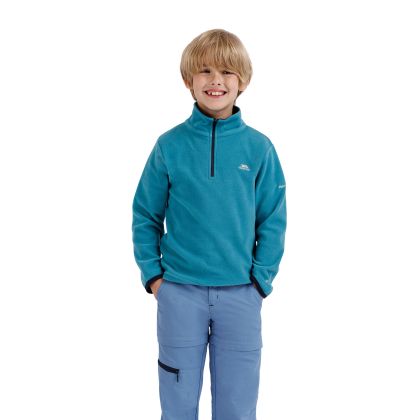 Kids Microfleece Etto in Light Teal£7.99 Was £18.997 colours
 -
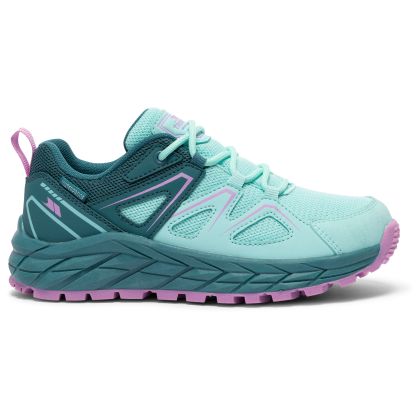 Kids Trainers Lorella in Teal£24.99 Was £61.99
 -
 Mens Casual Boots Mode in Black£120.99 Was £120.99
 -
 Womens Active Top Vickland in Amberglow Marl£10.99 Was £26.999 colours
 -
 Womens Active Top Vickland in Gelsomino Marl£10.99 Was £26.999 colours
 -
 Womens Active Top Vickland in Burnt Sienna Marl£10.99 Was £26.999 colours
 -
 2 colours
 -
 Mens 1/2 Zip Fleece Wetherill in Bondi Blue£17.99 Was £43.993 colours
 -
 7 colours
 -
 Boys Casual Jacket Olense in Navy£25.99 Was £59.993 colours
 -
 16 colours
 -
 3 colours
 -
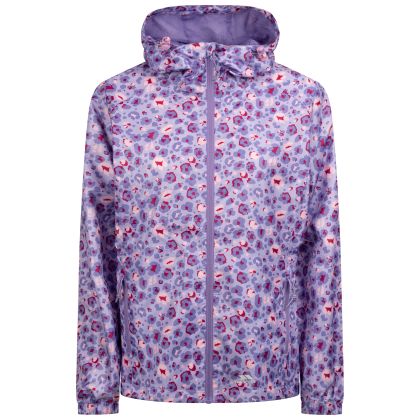 3 colours
 -
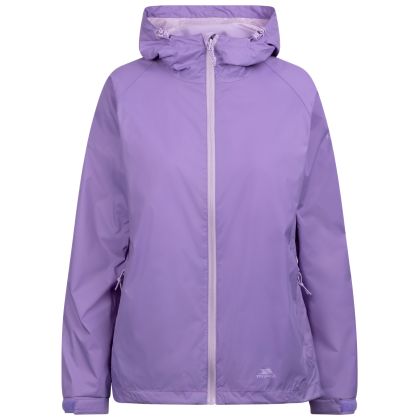 7 colours
 -
 2 colours
 -
 3 colours
 -
 3 colours
 -
 Girls Waterproof Jacket Allora in Bluetone£26.99 Was £55.992 colours
 -
 Girls Waterproof Jacket Allora in Sweetpink£26.99 Was £55.992 colours
 -
 2 colours
 -
 2 colours
 -
 6 colours
 -
 6 colours
 -
 6 colours
 -
 Mens Outdoor Waterproof Jacket Fala in Storm Grey£29.99 Was £95.994 colours
 -
 Womens Hooded Waterproof Jacket Parched in Black Print£43.99 Was £109.992 colours
 -
 16 colours
 -
 2 colours
 -
 16 colours
 -
 Womens Fleece Script In Cool Blue£17.99 Was £48.993 colours
 -
 Drinking Bottle 500ml Swig in Matt Black£4.99 Was £10.99
 -
 Womens Fleece Jacket Jessie in Mocha£32.99 Was £65.99


Guide to Buying Hiking Gear
Hiking gear supports comfort, safety, and performance when walking outdoors. Whether you are heading out for short countryside walks or longer routes across varied terrain, the right gear helps you manage weather changes, carry essentials efficiently, and reduce fatigue over distance.
Well-chosen hiking gear works as a system. Clothing regulates temperature and moisture, footwear supports stability and grip, and equipment helps you stay organised and prepared throughout your walk.
Hiking gear covers several core categories, each designed to support a different part of your walk.
- Hiking clothing: Includes base layers, mid layers, and outer layers that work together to manage sweat, warmth, and weather protection.
- Hiking footwear: Walking shoes and hiking boots designed to provide grip, cushioning, and support on uneven ground.
- Backpacks and carry systems: Used to transport water, food, extra layers, and essentials comfortably over distance.
- Hiking accessories: Smaller items such as hats, gloves, socks, trekking poles, and lighting that improve comfort, safety, and adaptability.
These categories combine to create a balanced hiking setup suitable for different routes and conditions.
Materials and How They Work
The materials used in hiking gear affect durability, comfort, and performance.
- Polyester: Lightweight, quick-drying, and commonly used in hiking clothing and backpacks.
- Polyamide (nylon): Strong and abrasion-resistant, ideal for trousers, jackets, and packs.
- Softshell fabrics: Offer flexibility, wind resistance, and breathability for active use.
- Waterproof membranes and coatings: Provide protection from rain while allowing moisture to escape.
- Wool and synthetic blends: Often used in hiking socks for temperature regulation and comfort.
These materials help hiking gear perform reliably across changing weather and terrain.
Certain features improve comfort and practicality when hiking.
- Layer-friendly clothing allows easy adjustment as conditions change.
- Grippy footwear soles improves stability on wet or uneven ground.
- Adjustable backpack straps help balance weight correctly.
- Breathable back panels improves airflow during longer walks.
- Durable construction ensures gear withstands repeated outdoor use.
These features help hiking gear perform consistently on the trail.
Different walking styles place different demands on gear.
- Casual walks: Comfortable shoes, light layers, and a small backpack.
- Day hiking: Layered clothing, supportive footwear, and a 20–30 L backpack.
- Hilly or uneven terrain: Hiking boots and trekking poles for added stability.
- Wet conditions: Waterproof jacket, waterproof footwear, and gaiters.
- Cold weather: Insulated mid layers, gloves, and headwear.
Choosing gear based on activity improves comfort and preparedness.
-
What basic gear do I need for a day hike?
- For a day hike, you usually need supportive footwear, layered clothing, a waterproof jacket, a backpack, water, food, and a few accessories such as a hat or gloves depending on the weather.
-
What’s the difference between hiking gear and camping gear?
- Hiking gear focuses on comfort, movement, and carrying essentials while walking. Camping gear includes additional items such as tents, sleeping bags, and cooking equipment designed for overnight stays.
-
Are hiking boots or walking shoes better for rough terrain?
- Hiking boots are generally better for rough or uneven terrain because they provide more ankle support and protection. Walking shoes are suitable for easier paths and shorter routes.
