
-
 30 Litre Multi Function Backpack Albus in Carbon£19.99 Was £43.9910 colours
 -
 30L Backpack Albus in Burgundy£19.99 Was £43.9910 colours
 -
 30L Backpack Albus in Blue£19.99 Was £43.9910 colours
 -
 2 colours
 -
 Anti Shock Collapsible Trekking Poles 135cm in Grey£16.99 Was £55.99
 -
 5 Litre Travel Bum Bag with Hip Belt Vasp in Navy£10.99 Was £25.99
 -
 30 Litre Multi Function Backpack Albus in Ash£19.99 Was £43.9910 colours
 -
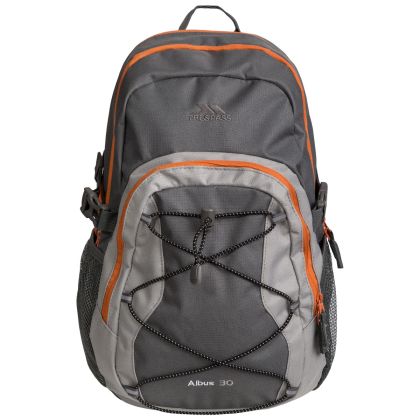 30L Backpack Albus in Grey£19.99 Was £43.9910 colours
 -

-

-
 2 colours
 -
 4 colours
 -
 2 colours
 -
 4 colours
 -
 2 colours
 -
 Collapsible Trekking Pole Lightweight In Silver£11.99 Was £36.99
 -
 15L Cycling Hydration Pack Mirror In Blue£24.99 Was £60.992 colours
 -
 Waterproof Rucksack Cover in Black£7.99 Was £17.992 colours
 -

-

-
 Womens Scarf Claris in Beige Check£11.99 Was £28.99
 -

-
 Mens Beanie Edison in Grey£11.99
 -

-

-
-
-

-

-

-

-

-
 LED Headtorch Navigator in Black£8.99 Was £20.99
 -

-

-
-
 35L Hiking Rucksack Pass in Dark Grey£34.99 Was £86.99
 -
 Lightweight Walking Pole Set Forus In Fluorescent Green£21.99 Was £72.99
 -
-
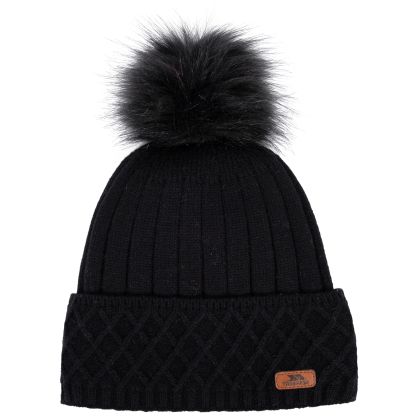 Womens Fleece Lined Hat Sherbet in Black£10.99 Was £25.99
 -
-
-
 2-In-1 Headtorch Pharus in Black£16.99 Was £40.99
 -
 Womens Walking Socks Wendall 5 Pack£8.99 Was £21.99
 -
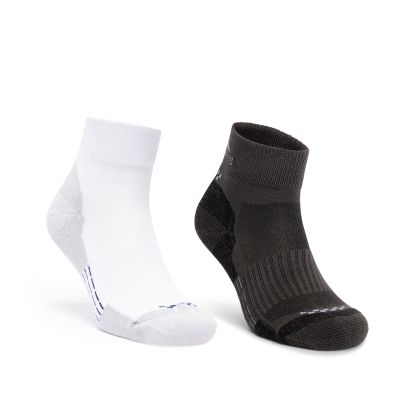 Adults Trainer Socks Champ 2 Pack£6.99 Was £16.99
 -

-
 2 colours
 -
 4 colours


Guide to Buying Hiking Accessories
Hiking accessories play a supporting role in your outdoor setup, but they have a big impact on comfort, safety, and efficiency on the trail. While footwear and clothing form the core of your kit, the right accessories help you manage changing weather, reduce strain on the body, and stay prepared throughout your walk.
Whether you are heading out for a short countryside walk or a longer hike, choosing the right hiking accessories helps you stay comfortable, protected, and focused on the route ahead.
Different hiking accessories are designed to support specific conditions and terrain.
- Headwear: Hats, caps, and beanies help manage heat, protect from sun exposure, and reduce heat loss in colder weather.
- Gloves: Provide warmth, grip, and protection for hands during cooler conditions or rough terrain.
- Hiking socks: Support comfort and blister prevention by managing moisture and cushioning pressure points.
- Trekking poles: Improve balance and stability while reducing impact on knees and joints, especially on uneven ground.
- Gaiters: Help keep mud, stones, water, and snow out of footwear on wet or muddy routes.
- Head torches and torches: Improve visibility during early starts, late finishes, or low-light conditions.
- Neckwear: Buffs and neck gaiters offer flexible protection against wind, cold, and sun.
Each accessory supports a different aspect of comfort, protection, or safety on the trail.
Materials and How They Work
The materials used in hiking accessories affect durability, comfort, and performance.
- Synthetic fabrics (polyester, polyamide): Lightweight, quick drying, and durable for regular outdoor use.
- Wool and wool blends: Provide natural warmth, moisture control, and comfort, especially in cooler conditions.
- Fleece and softshell materials: Used in gloves and headwear to balance insulation and breathability.
- Coated and water-resistant fabrics: Help protect against rain, splashes, and wet terrain.
These materials are often combined to balance breathability, warmth, and weather protection.
Small design details can significantly improve performance and usability.
- Lightweight construction to reduce pack weight
- Packable designs that store easily when not in use
- Adjustable fits to work with different layers
- Durable stitching and reinforced areas for long-term use
- Quick-dry and easy-care materials for repeated wear
Choosing well-designed accessories helps ensure they remain practical across different conditions.
Different hiking styles benefit from different accessories.
- Day hikes: Lightweight headwear, hiking socks, and optional trekking poles for comfort and balance.
- Long walks and trails: Trekking poles, cushioned socks, and gloves to reduce strain over time.
- Cold-weather hiking: Insulated gloves, beanies, and neck gaiters to retain warmth.
- Wet or muddy routes: Gaiters and water-resistant accessories to keep feet and lower legs dry.
- Early starts or late finishes: Head torches to improve visibility and safety.
Matching accessories to your route and conditions improves comfort and confidence.
-
What essential accessories should I pack for a hiking trip?
- At a minimum, hiking accessories should include suitable headwear, quality hiking socks, and weather-appropriate gloves or neckwear. For longer or more demanding routes, trekking poles, gaiters, and a head torch can significantly improve comfort and safety.
-
Are walking poles worth using on hikes?
- Yes. Trekking poles help improve balance, reduce impact on knees during descents, and provide additional stability on uneven ground. They are especially useful on longer hikes or when carrying a heavier pack.
